Villa Diodati, 1816: where Frankenstein began
Part of the Gothic and horror fan hub: prints, bookmarks, gifts and guides in one place.
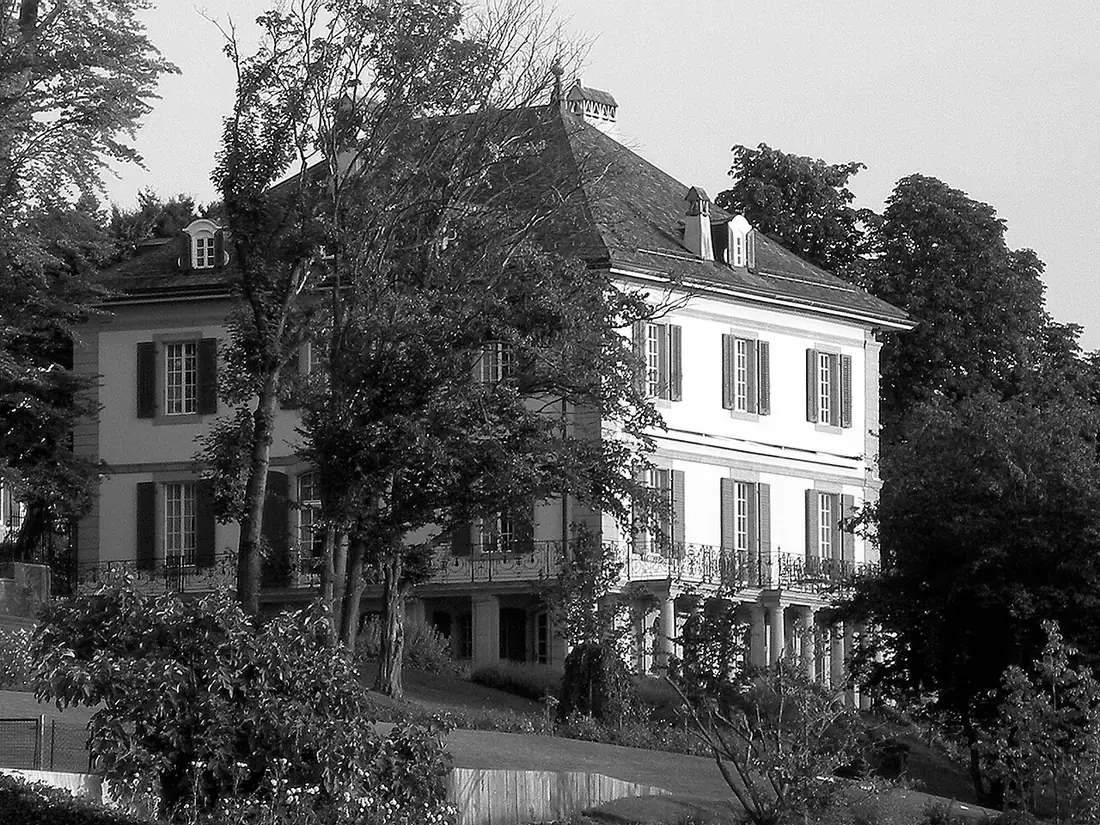
What was Villa Diodati?
Lord Byron rented the villa at Cologny, near Lake Geneva, from 10 June to 1 November 1816. Percy Shelley, Mary Godwin, Claire Clairmont and Byron's physician John Polidori were part of the group, and rain kept them indoors for three days in June (Wikipedia).
Why was the summer so cold?
Wikipedia attributes the cold, dreary weather of 1816 to the eruption of Mount Tambora in 1815. With little to do outdoors, Byron proposed that each of them write a ghost story.
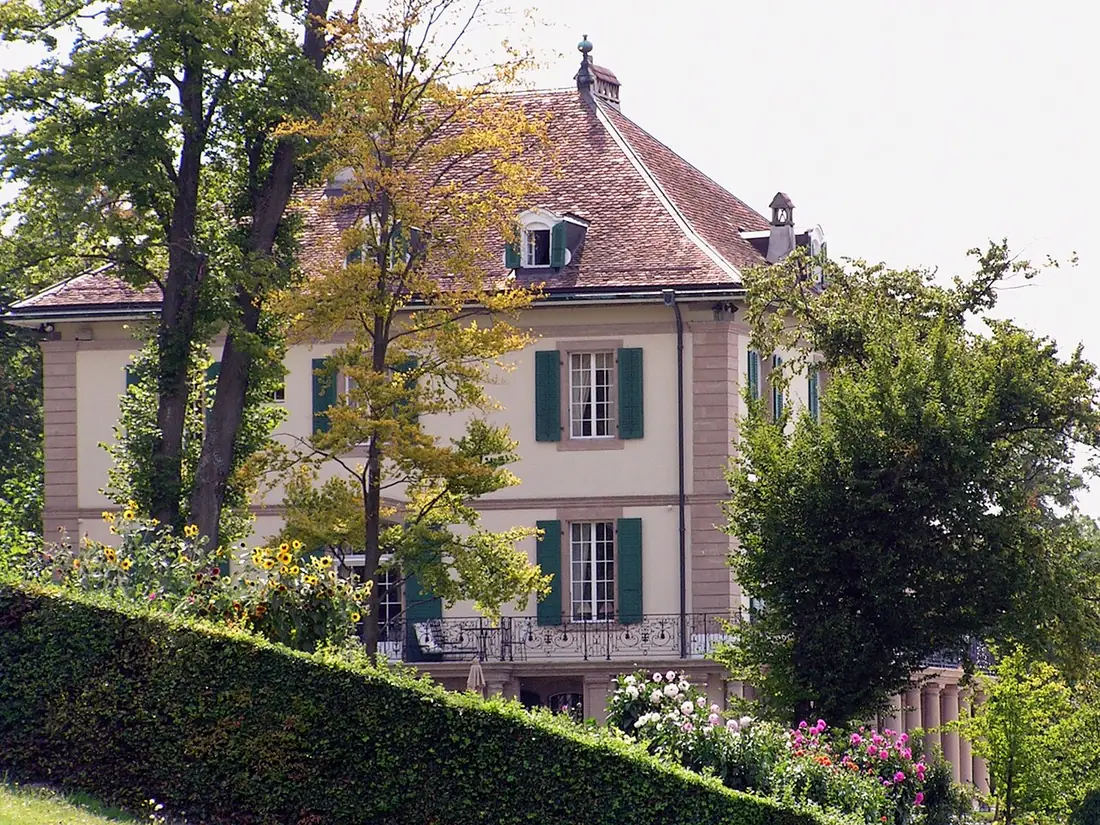
Is Villa Diodati as old as it looks?
The mansion in the village of Cologny was originally called the Villa Belle Rive, and Byron named it after the Diodati family who owned it. A plaque at the villa heralds a supposed visit by the poet John Milton in 1638, but Wikipedia says the villa was not built until 1710, long after Milton's death (Wikipedia).
Why had Byron left England?
The scandal of his separation from his wife, rumours of an affair with his half-sister and ever-increasing debt had forced him to leave England in April 1816, never to return. He arrived at Lake Geneva in May, where he met and befriended Percy Shelley, who was travelling with his future wife Mary Godwin.
When did Mary Shelley have the idea?
Wikipedia's Frankenstein page says the astronomer Donald Olson estimated Mary's waking dream at between 2 am and 3 am on 16 June 1816. She was about 18 at the time.
What else came from the contest?
Polidori's The Vampyre came out of the same contest and is seen as the start of the Romantic vampire genre. It was published on 1 April 1819, 78 years before Dracula in 1897.
Polidori's The Vampyre has its genesis in the summer of 1816 and was first published in The New Monthly Magazine on 1 April 1819, taken from the story Byron told as part of the contest among Polidori, Mary Shelley, Byron and Percy Shelley. Its vampire is Lord Ruthven, a suave British nobleman who ruins and degrades those around him (Wikipedia).
When was Frankenstein published?
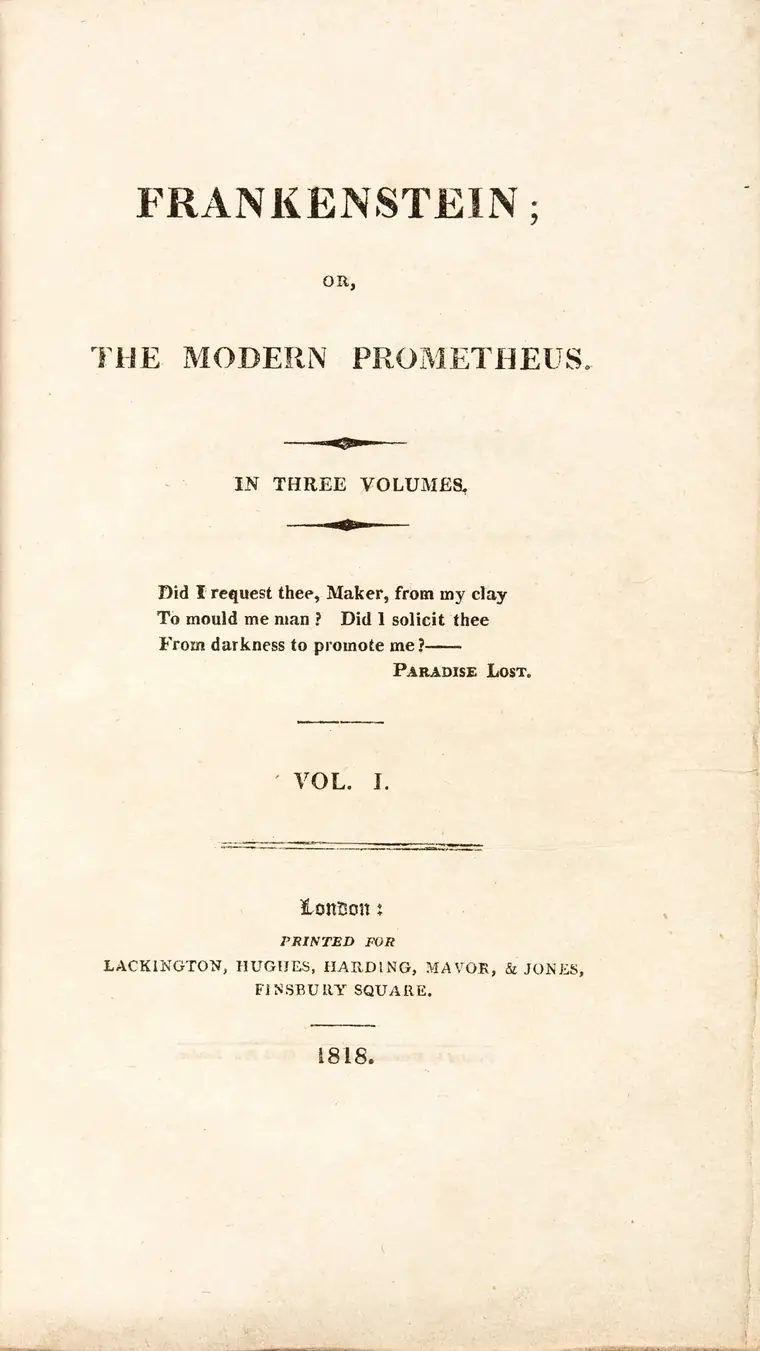
Frankenstein was published anonymously on 1 January 1818, in three volumes and 500 copies, when Mary was 20. The second edition of 11 August 1823 was the first to name her, and the one-volume edition came out on 31 October 1831.
Who was Mary Shelley?
Mary Shelley was born on 30 August 1797 and died on 1 February 1851. Her 230th birthday falls on 30 August 2027.
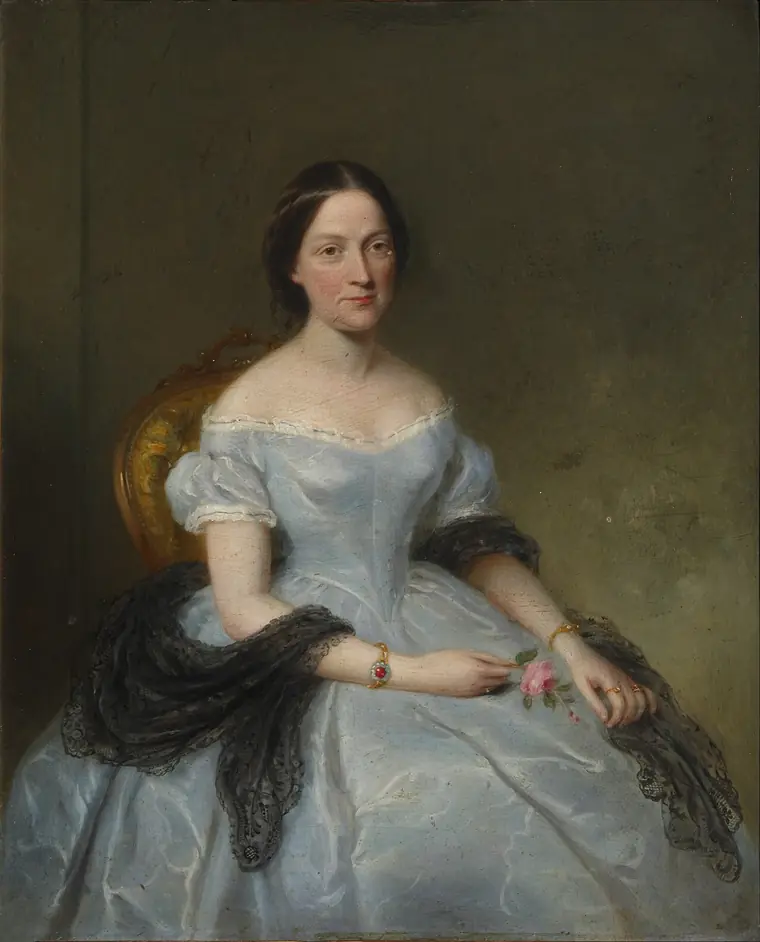
What can you see in 2027?
The Wordsworth Trust in Grasmere is reported to be running Ghost Story! Into the Gothic Imagination from 7 July 2026 to 19 June 2027, starting with the summer of 1816 at Villa Diodati. We could only read search results for that page, so check the dates with the museum. Guillermo del Toro's Frankenstein is out on a Criterion 4K and Blu-ray release (27 October 2026), as reported.
Read it: buy at Bookshop.org: Frankenstein · Carmilla and Other Pleasing Terrors
More from the gothic hub
- Up: the gothic and horror hub, with the prints, bookmarks, news, facts and a map for Coraline, Wuthering Heights, Dracula and the Phantom.
- Next: 11 gothic novels to read this Halloween.
- Next: Gothic anniversaries in 2027.
- Next: Halloween quotes from classic gothic novels.
Sources (5)
All read on 20 November 2026 and written up here in our own words.
- Wikipedia: Villa Diodati, the 1816 summer.
- Wikipedia: Frankenstein, the novel's editions and dates.
- Wikipedia: Mary Shelley, her dates.
- Wordsworth Trust: Ghost Story!, the 2026 to 2027 exhibition (reported from search results).
- Wikipedia: The Vampyre, Polidori's story and its origin.
Bookshop.org supports independent bookshops. This is an affiliate link: Chapter & Scene earns a small commission on qualifying purchases, at no extra cost to you.
Worth following
More gothic and horror, from places we like. Tap a title, then a name.
Places, festivals and sitesWhere the stories happened, and where fans gather
Bronte Parsonage MuseumThe Haworth home of the Bronte sisters
 Photo: DeFacto, CC BY-SA 4.0, via Wikimedia Commons
Museum
The museum describes itself as the home of the famous Bronte sisters. It is the house they grew up in, and the place to learn the story of the writers behind Wuthering Heights and Jane Eyre.
Open the Bronte Parsonage Museum ↗Opens in a new tab. Independent of Chapter & Scene.
Whitby Abbey (English Heritage)Haunting Gothic ruins above Whitby
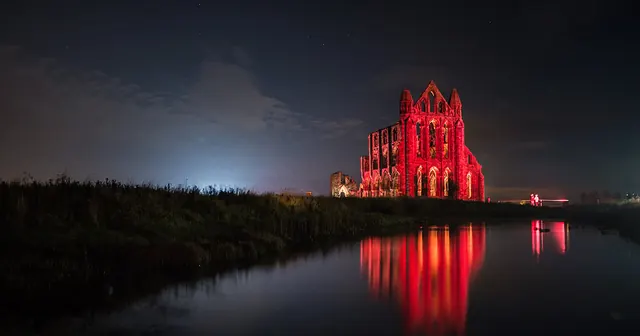
Heritage site
English Heritage's own page for the abbey, which it describes as haunting Gothic ruins high above Whitby. Check it before you plan a visit.
Open the Whitby Abbey page ↗Opens in a new tab. Independent of Chapter & Scene.
Whitby Goth WeekendA goth music festival, founded in 1994
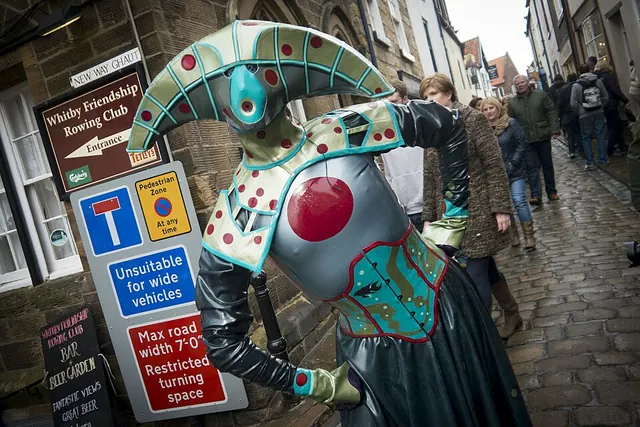 Photo: Bryan Ledgard, CC BY 2.0, via Wikimedia Commons
Festival
The festival says it is an alternative music festival, founded in 1994, that has grown into one of the world's premier goth events. Wikipedia adds that it is held twice a year.
Open the Whitby Goth Weekend site ↗Opens in a new tab. Independent of Chapter & Scene.
Dracula DailyThe novel, emailed to you in real time
Newsletter
A Substack that emails you the classic novel Dracula in real time, as the events happen. A gentle way to read it slowly.
Open Dracula Daily ↗Opens in a new tab. Independent of Chapter & Scene.
PodcastsFor the commute, the walk or the washing up
BacklistedA books podcast from two readers

Podcast
A books podcast presented by John Mitchinson and Andy Miller, good company for classic and older reads.
Open Backlisted ↗Opens in a new tab. Independent of Chapter & Scene.
PseudoPodHorror fiction, read aloud
Podcast
A horror fiction podcast. Its own page calls it the sound of horror.
Open PseudoPod ↗Opens in a new tab. Independent of Chapter & Scene.
Free audiobooksPublic domain recordings by volunteers
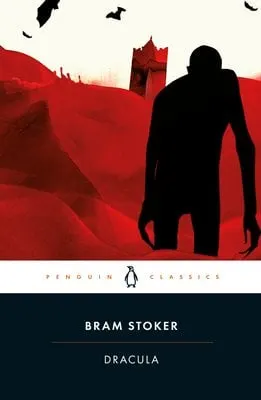
Dracula (LibriVox)About 16.5 hours, read by volunteers
Free audiobook
A free recording by LibriVox volunteers, running 16 hours 31 minutes. LibriVox notes its recordings are public domain in the USA.
Open it on LibriVox ↗Opens in a new tab. Independent of Chapter & Scene.
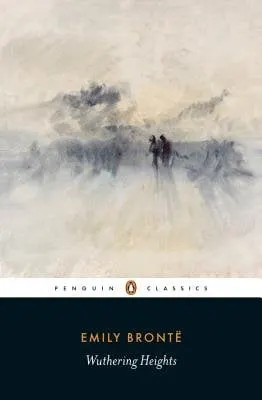
Wuthering Heights (LibriVox)About 11.5 hours, read by volunteers
Free audiobook
A free recording by LibriVox volunteers, running 11 hours 33 minutes.
Open it on LibriVox ↗Opens in a new tab. Independent of Chapter & Scene.
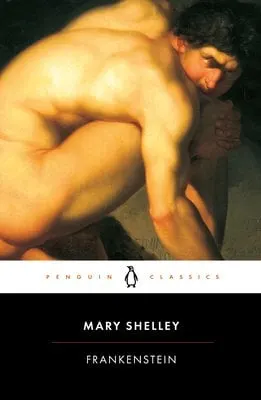
Frankenstein, 1818 text (LibriVox)About 8 hours, read by Cori Samuel
Free audiobook
A free recording of the 1818 text of Frankenstein read by Cori Samuel, running 7 hours 59 minutes.
Open it on LibriVox ↗Opens in a new tab. Independent of Chapter & Scene.
Questions
Where was Frankenstein written?
The idea came at Villa Diodati near Lake Geneva in the summer of 1816, when Lord Byron's group told ghost stories. Mary Shelley began writing it after that.
Who was at Villa Diodati in 1816?
Lord Byron, Percy Shelley, Mary Godwin, Claire Clairmont and John Polidori, among others.
When was Frankenstein published?
On 1 January 1818, anonymously, in three volumes and 500 copies. Mary Shelley was 20.
Why was 1816 so cold?
Wikipedia attributes the cold weather of 1816 to the eruption of Mount Tambora in 1815.
When was Villa Diodati built?
Wikipedia says the villa was not built until 1710, despite a plaque that mentions a visit by Milton in 1638.