Gothic novels: where to start and 15 to read next
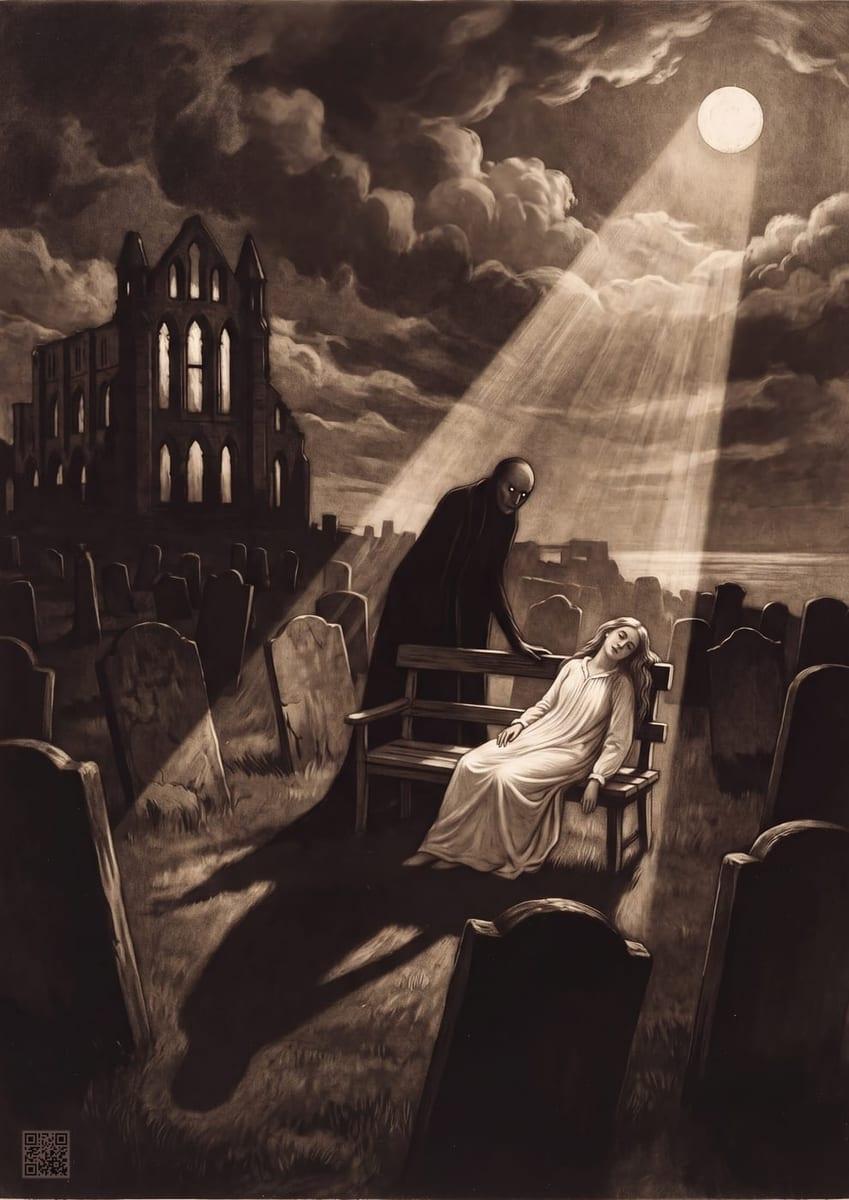
The print from this post.
Looking for a gift? Christmas gifts for him, her, dad and mum.
Part of the Gothic and horror fan hub: prints, bookmarks, gifts and guides in one place.
What is the first gothic novel?
Horace Walpole's The Castle of Otranto, first published in 1764. Wikipedia says it is generally regarded as the first Gothic novel, and that it was the first work to be labelled Gothic, in a later subtitle, A Gothic Story (Wikipedia). The 18th-century writers who followed included Clara Reeve, Ann Radcliffe, William Beckford and Matthew Gregory Lewis.
Buy this print
What is the most famous gothic novel?
There is no official answer, and lists disagree. Two names turn up on almost every list: Frankenstein (1818) and Dracula (1897). Among our own readers, the gothic books most searched for in the UK are Coraline and Wuthering Heights.
Is there a modern gothic novel?
Yes. Rebecca (1938), The Haunting of Hill House (1959), Blood Meridian (1985) and Coraline (2002) all sit in the gothic tradition, with haunted houses, secrets and a past that will not stay buried.
What makes a novel gothic?
Gothic novels are stories where the setting does half the frightening: a castle, a moor, an old house with one room nobody goes into. There is usually a secret, often a family one, and a feeling that the past has not finished with the present. The form began with Horace Walpole's The Castle of Otranto in 1764 and has never really gone away.
Where should you start?
Three books make a good first set, and each is marked below:
- Coraline (2002): short, strange and quick to read.
- Wuthering Heights (1847): moors, a ghost at the window and the cruellest love story you will read.
- Dracula (1897): longer than you expect and better than you remember, with its best pages set in Whitby.
The gothic novels in publication order
Eighteen reads, oldest first. The three starters are marked, and the rest are the 15 to read next.
1. The Castle of Otranto, Horace Walpole (1764)
First published in 1764, it is generally regarded as the first Gothic novel. In the second edition Walpole added the subtitle A Gothic Story. It is set in a haunted castle and merged medievalism and terror in a style that has endured ever since. Walpole was inspired by a nightmare at his Gothic Revival home, Strawberry Hill House in Twickenham (Wikipedia).
2. The Monk, Matthew Gregory Lewis (1796)
Published in three volumes, anonymously, when Lewis was 20. It tells of a virtuous Catholic monk who gives in to violent and lustful urges, with consequences that leave him damned. Readers were shocked, and Wikipedia calls it arguably the most controversial Gothic novel of the 18th century (Wikipedia).
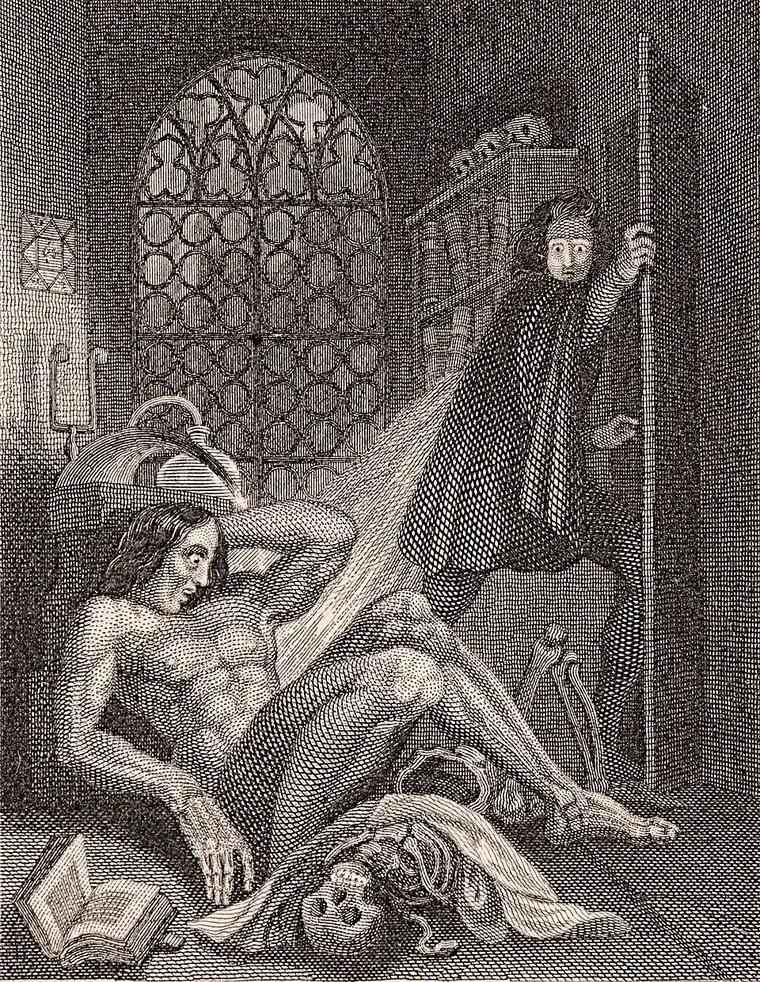
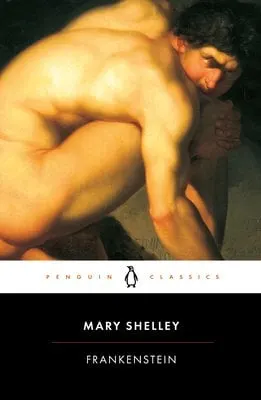
3. Frankenstein, Mary Shelley (1818)
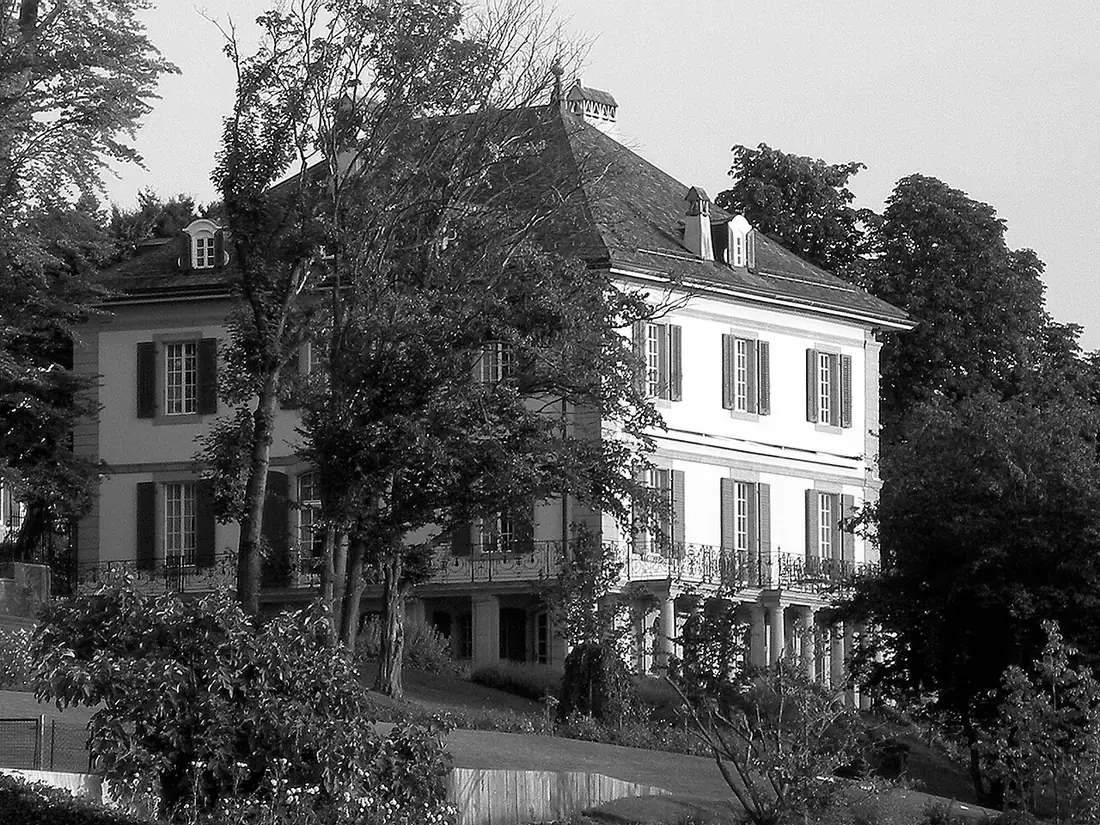
Mary Shelley began it in the summer of 1816, at a villa by Lake Geneva, when Lord Byron challenged his guests to write a ghost story. She was eighteen. What she wrote is less a monster story than a story about a creature nobody will love. Read it for the moment the creation opens its eyes, "on a dreary night of November", and for the creature's own voice, which is the saddest thing in the book.
Buy at Bookshop.org: Frankenstein
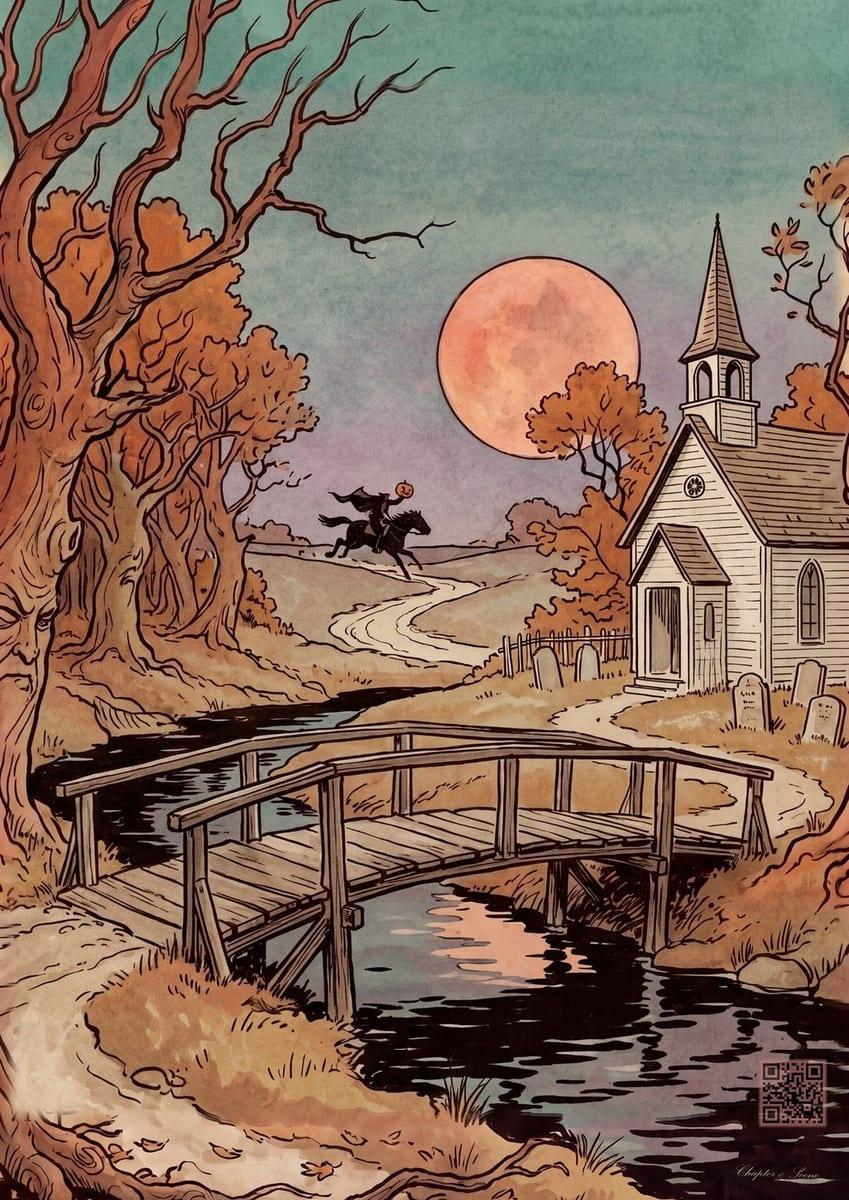
4. The Legend of Sleepy Hollow, Washington Irving (1820)
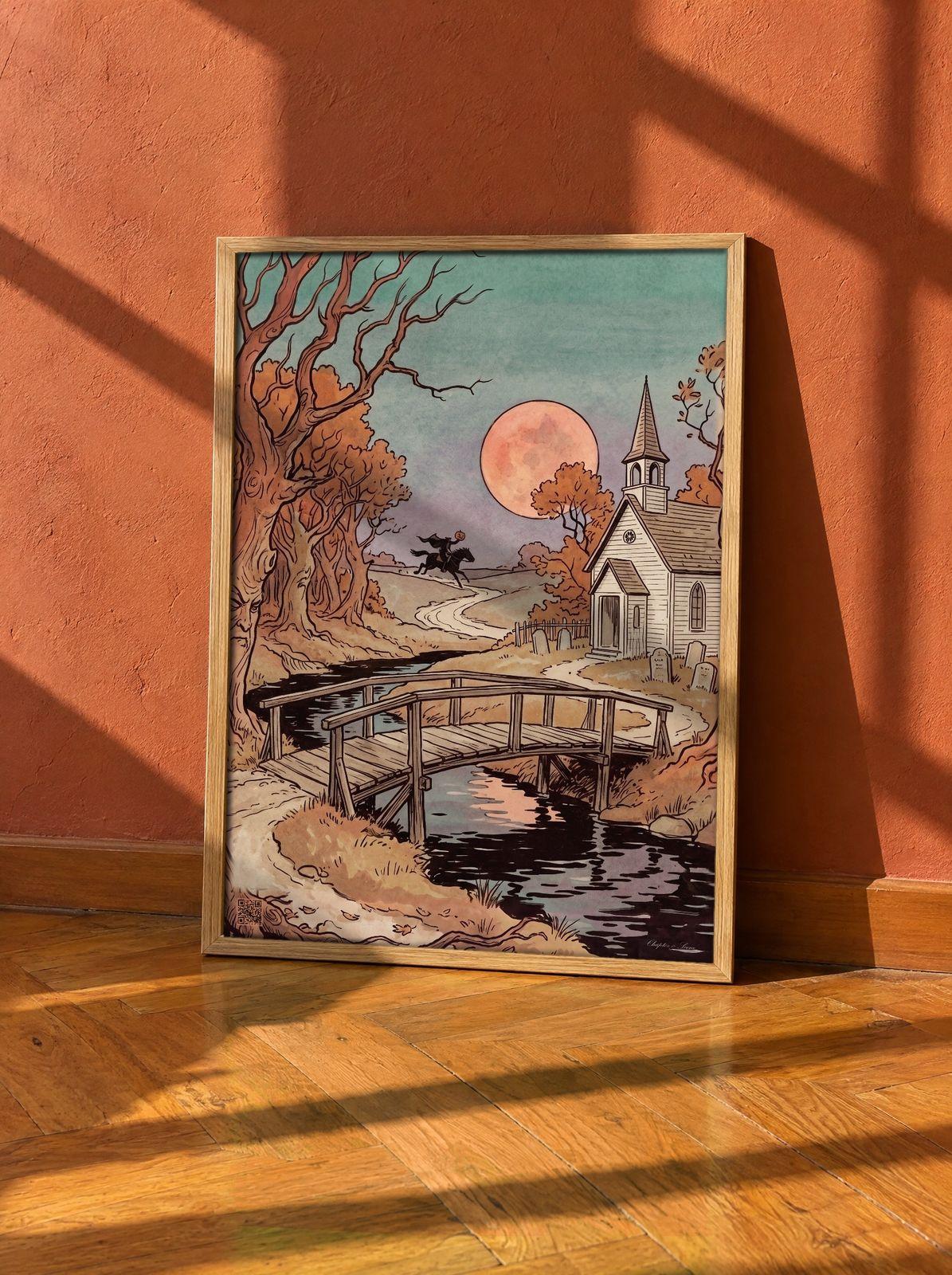
A short story from Irving's The Sketch Book, written while he lived in Birmingham, England, and set around 1790 near Tarrytown, New York. Ichabod Crane, a nervous schoolteacher, meets the Headless Horseman on an autumn night. It has been continuously in print since it first appeared (Wikipedia).
5. The Fall of the House of Usher, Edgar Allan Poe (1839)
A short story first published in 1839 in Burton's Gentleman's Magazine, then included in Tales of the Grotesque and Arabesque in 1840. An unnamed narrator visits the decaying mansion of his childhood friend Roderick Usher and his sister Madeline. Wikipedia lists themes of madness, family and isolation (Wikipedia). For more Poe, see The Raven, line by line.
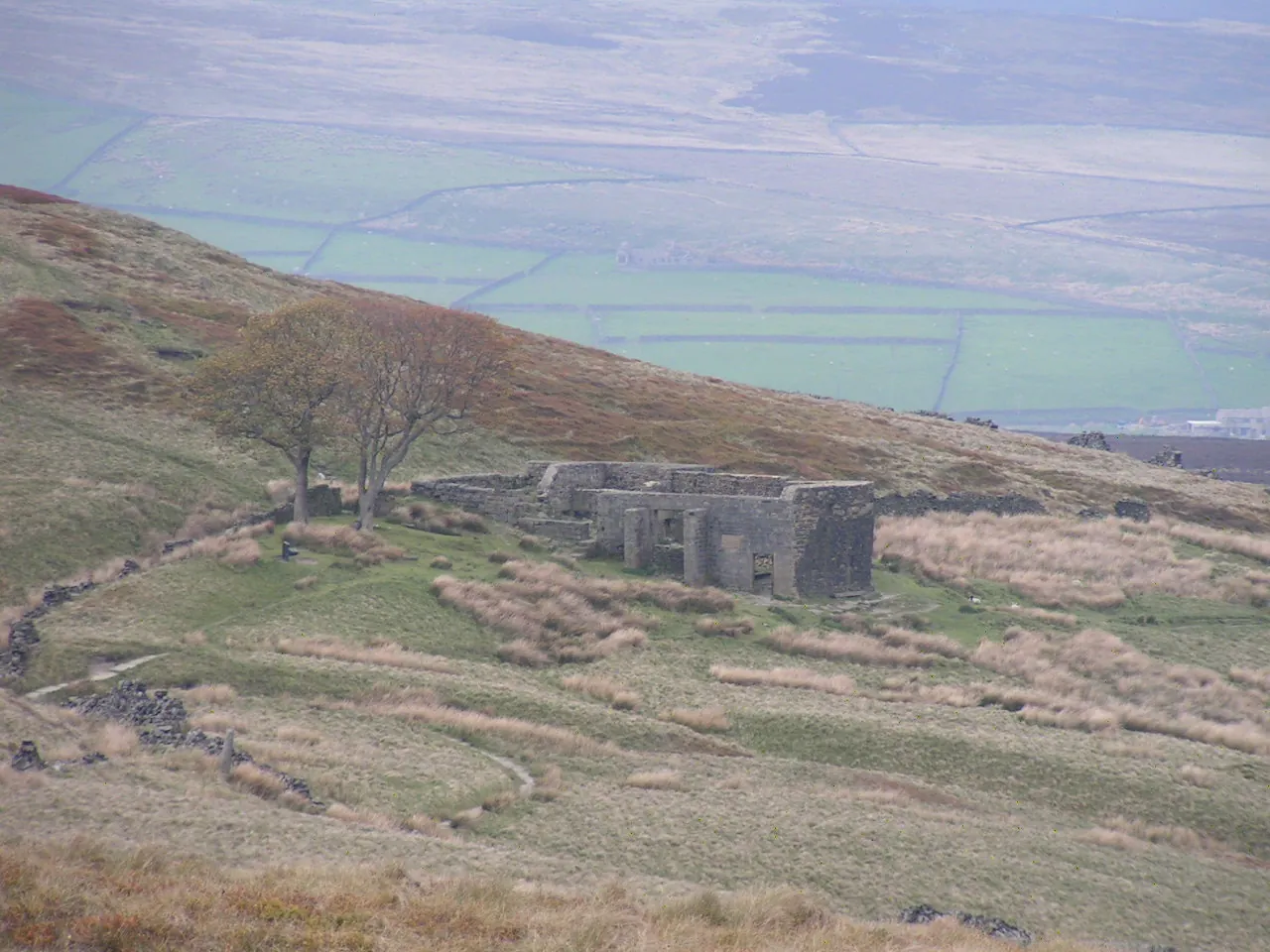
6. Wuthering Heights, Emily Bronte (1847): start here
A love story set on the Yorkshire moors, and the cruellest one you will ever read. It opens with a traveller stranded at the Heights in a snowstorm and a hand at the window in the night. Brontë never tells you whether the ghost is real, which is exactly why it stays with you.
Buy at Bookshop.org: Wuthering Heights
Going to the moors yourself? Read Wuthering Heights country: Top Withens, Haworth and the moors, and the novel's best lines in Wuthering Heights quotes, by chapter.
Who is who at the Heights and the Grange: Wuthering Heights characters.
7. Jane Eyre, Charlotte Bronte (1847)
Published on 19 October 1847 under the pen name Currer Bell, by Smith, Elder and Co. of London. It follows Jane's growth to adulthood and her love for Mr Rochester, the brooding master of Thornfield Hall. Wikipedia describes the manor of Thornfield as Gothic, and says the book blends elements of the gothic novel and Elizabethan drama (Wikipedia).
Read it: buy at Bookshop.org: Jane Eyre
8. Carmilla, Sheridan Le Fanu (1872)
A vampire novella published twenty-five years before Dracula, set in a lonely castle in Styria. A carriage crashes, a beautiful girl is left in the care of the family, and the narrator's nightmares begin. It is short enough to read in one long October evening.
Buy at Bookshop.org: Carmilla and Other Pleasing Terrors
9. Strange Case of Dr Jekyll and Mr Hyde, Robert Louis Stevenson (1886)
Fog, gaslight and a respectable doctor with a locked laboratory. Everybody thinks they know the twist, but the real horror is in Jekyll's own confession, that "man is not truly one, but truly two".
Buy at Bookshop.org: Strange Case of Dr Jekyll and Mr Hyde
10. The Picture of Dorian Gray, Oscar Wilde (1890)
A beautiful young man stays young while his portrait, hidden in a locked room, grows old and cruel for him. Witty on every page, and darker on every page too.
Buy at Bookshop.org: The Picture of Dorian Gray
11. Dracula, Bram Stoker (1897): start here
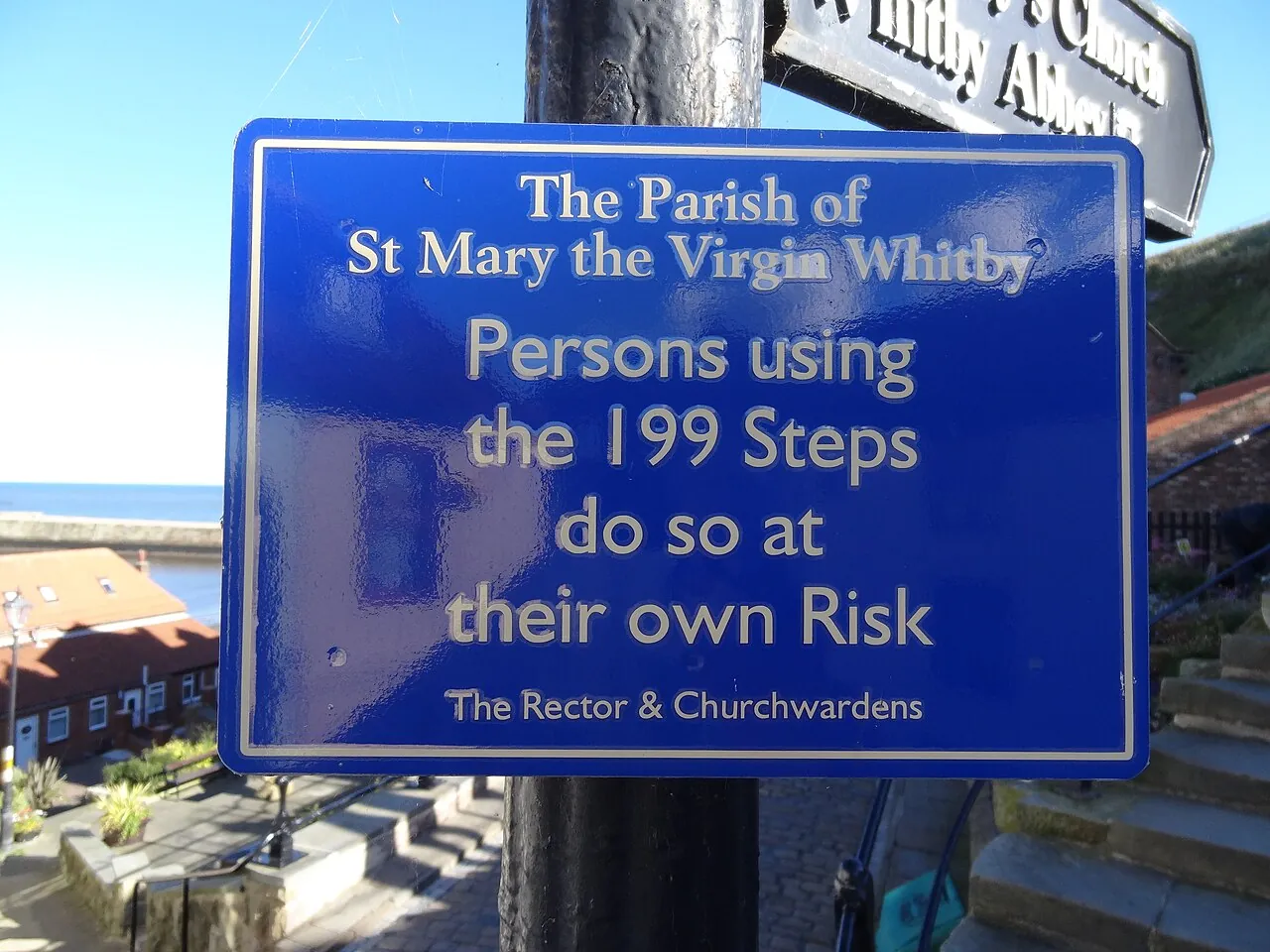
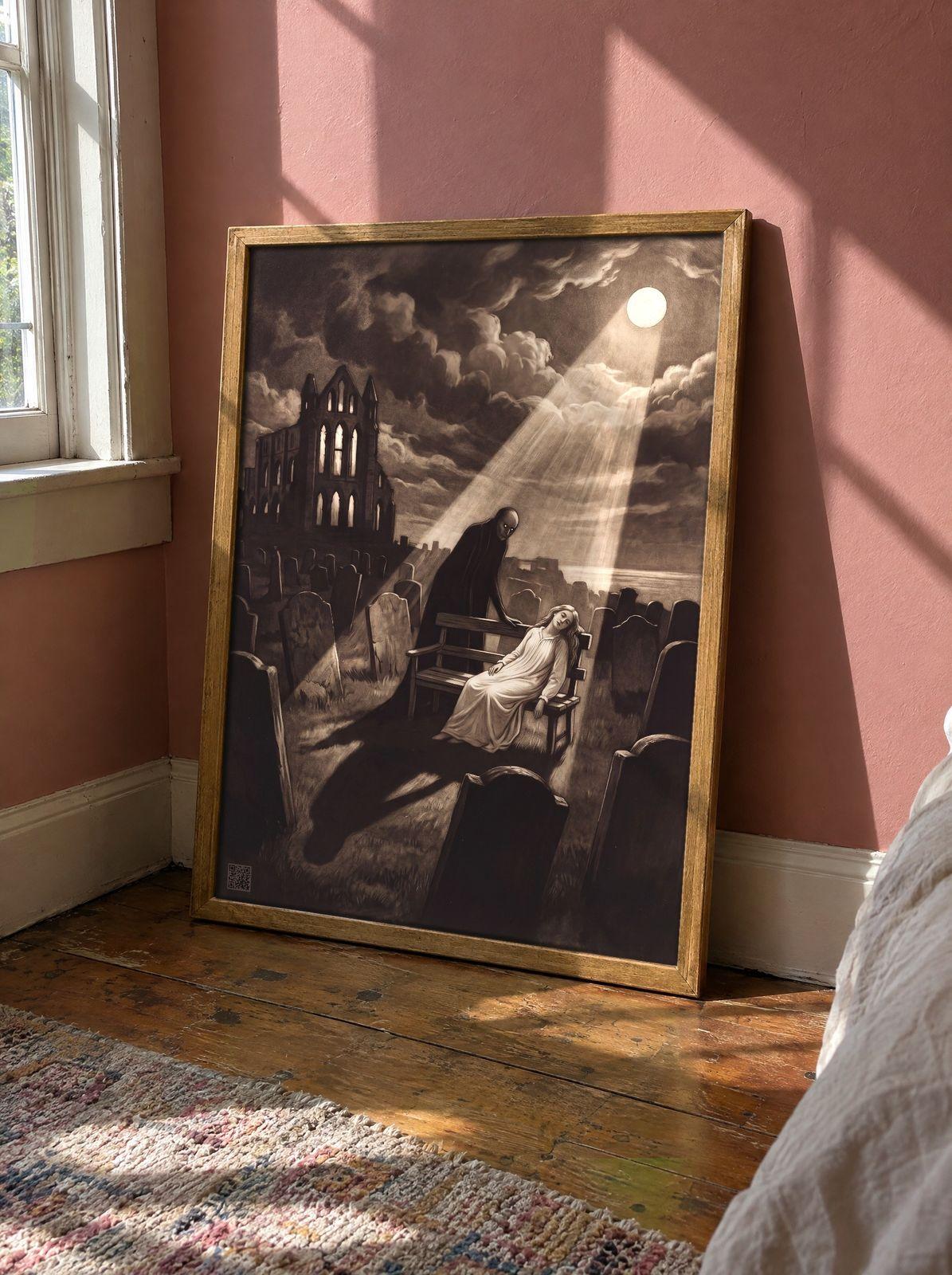
The one everybody thinks they know, and almost nobody has read. It is told through diaries, letters and newspaper cuttings, which makes it feel like evidence. The Count's welcome at the castle door, "Welcome to my house! Enter freely and of your own will!", is still one of the most frightening invitations in fiction. The best pages are set in Whitby, on the Yorkshire coast, and my Dracula print is from there: Lucy on the churchyard seat by moonlight, and something long and black bending over her.
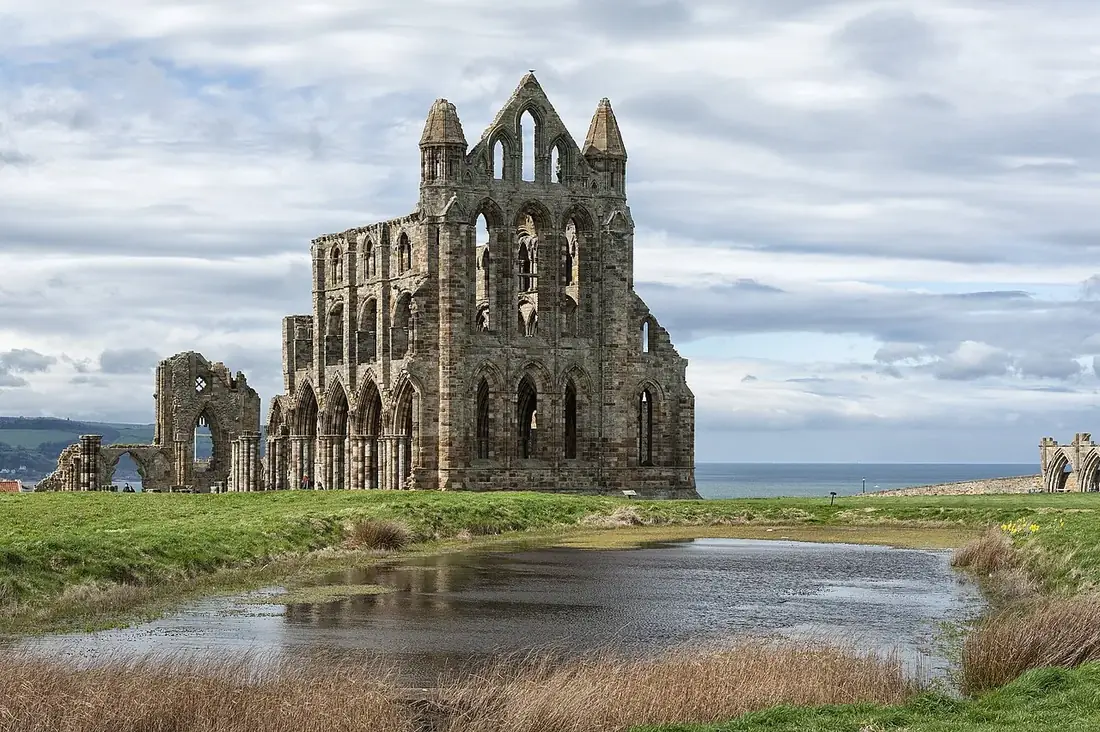
If you want to know how much of Whitby is real, I wrote about it here: Dracula in Whitby: the real places behind the novel.
Buy at Bookshop.org: Dracula
For the real Whitby, read The real Whitby behind Dracula; for Transylvania, Is Dracula's castle real?.
12. The Turn of the Screw, Henry James (1898)
A young governess, a lonely country house called Bly, two children who are a little too good, and figures that appear where they should not be. James leaves you to decide whether the ghosts are real or the governess is not well, and readers have been arguing about it ever since.
Buy at Bookshop.org: The Turn of the Screw and Other Stories
13. The Hound of the Baskervilles, Arthur Conan Doyle (1902)
Sherlock Holmes on Dartmoor, a family curse and a legend that might be true. Holmes is away for much of the book, which leaves Watson alone on the moor at night, and the book is all the better for it. My print is the moment the hound comes out of the fog.
The legends that gave Doyle the idea are just as good: Black Shuck and the real hounds behind the story.
Buy at Bookshop.org: The Hound of the Baskervilles
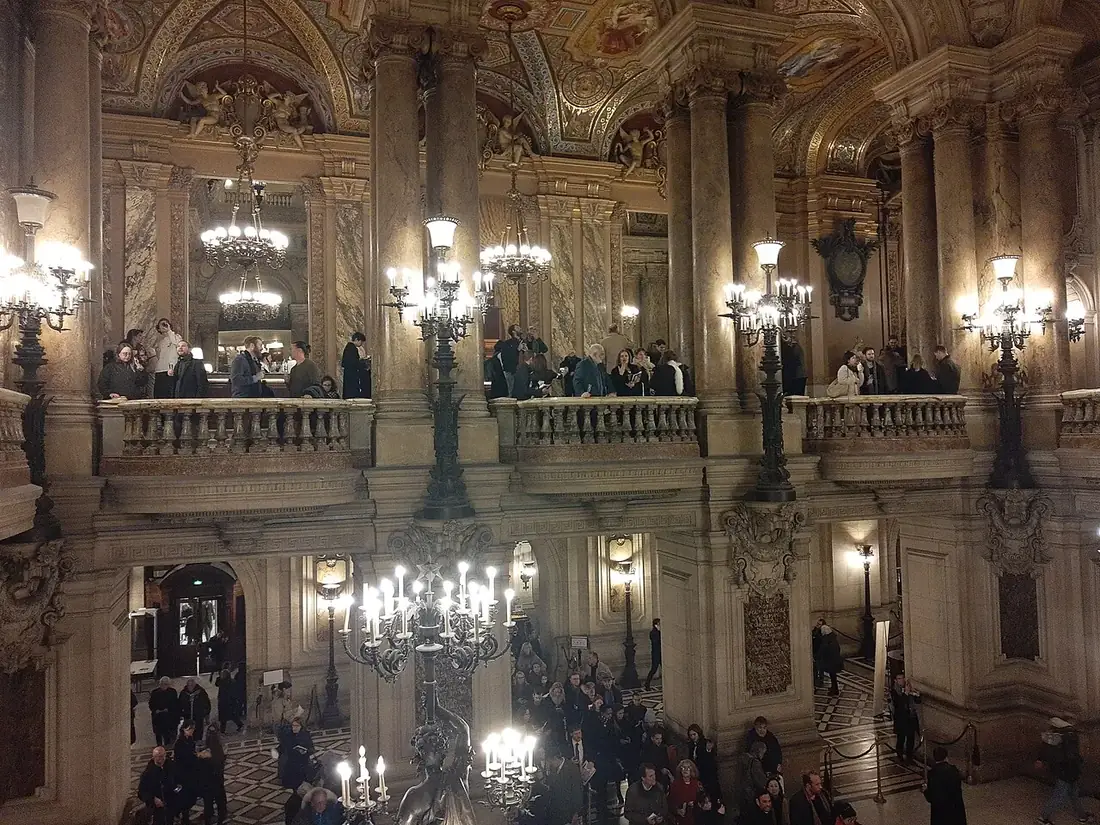
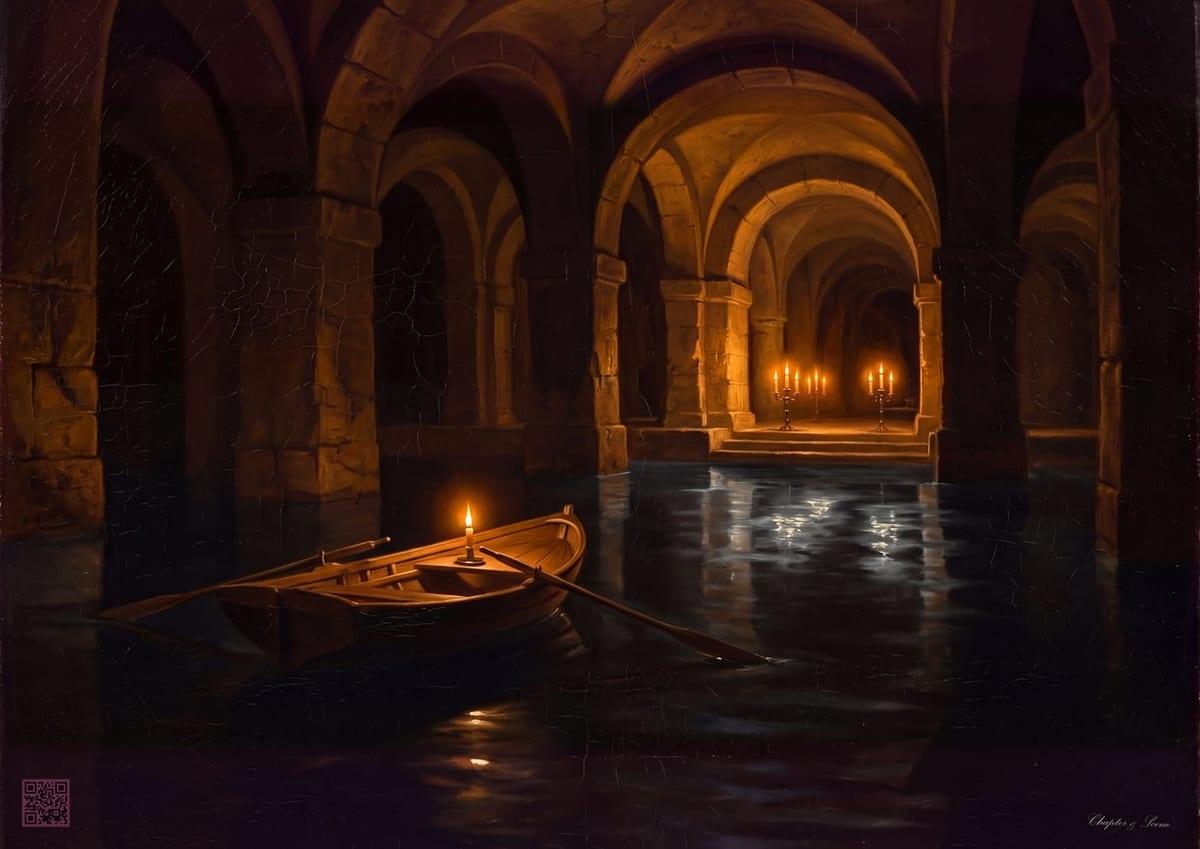
14. The Phantom of the Opera, Gaston Leroux (1910)
Serialised in the newspaper Le Gaulois from 23 September 1909 to 8 January 1910 and published as a book in late March 1910. It is set in the real Palais Garnier in Paris, and a fatal chandelier accident there fed the story (Wikipedia). More in The Palais Garnier and the real Phantom stories.
Read it: buy at Bookshop.org: The Phantom of the Opera
15. Rebecca, Daphne du Maurier (1938)
A shy young bride, a great house on the Cornish coast, and a first wife who is dead but somehow still in charge. It has one of the most famous opening lines in English fiction, and a housekeeper you will not forget.
Buy at Bookshop.org: Rebecca
Wikipedia says Rebecca has never gone out of print, and that it sold 2.8 million copies between 1938 and 1965 (Wikipedia).
16. The Haunting of Hill House, Shirley Jackson (1959)
Four people spend a summer in a house with a terrible reputation, to see if it is haunted. Jackson barely shows you anything, and that is the trick: the fear is all in the gaps.
Buy at Bookshop.org: The Haunting of Hill House
17. Blood Meridian, Cormac McCarthy (1985)
Wikipedia classifies this 1985 novel as an anti-Western and Gothic Western. It follows a teenager from Tennessee, known as the Kid, among a gang of scalp hunters on the American frontier. It is violent and not for everyone, and it is the odd one out on this list (Wikipedia).
18. Coraline, Neil Gaiman (2002): start here
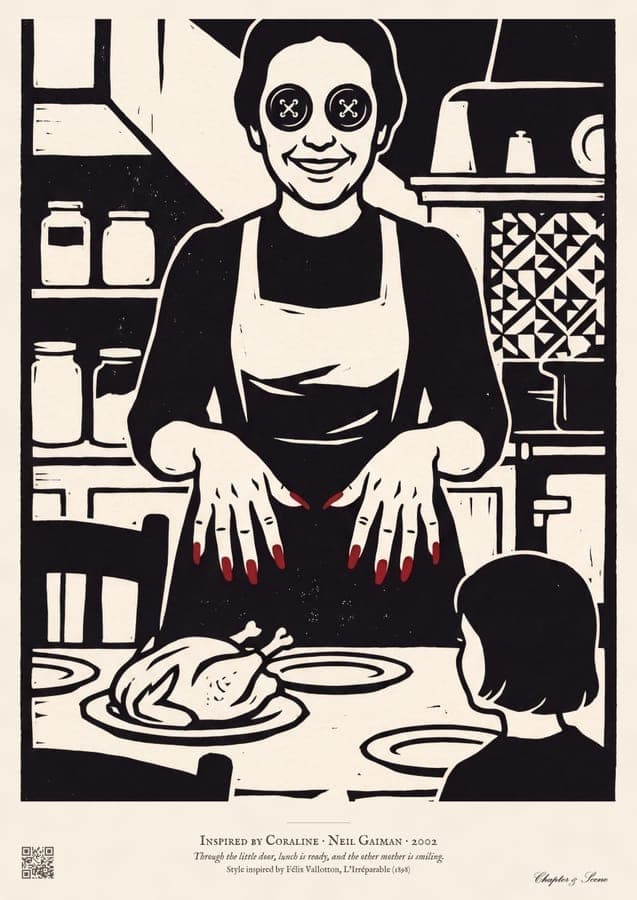
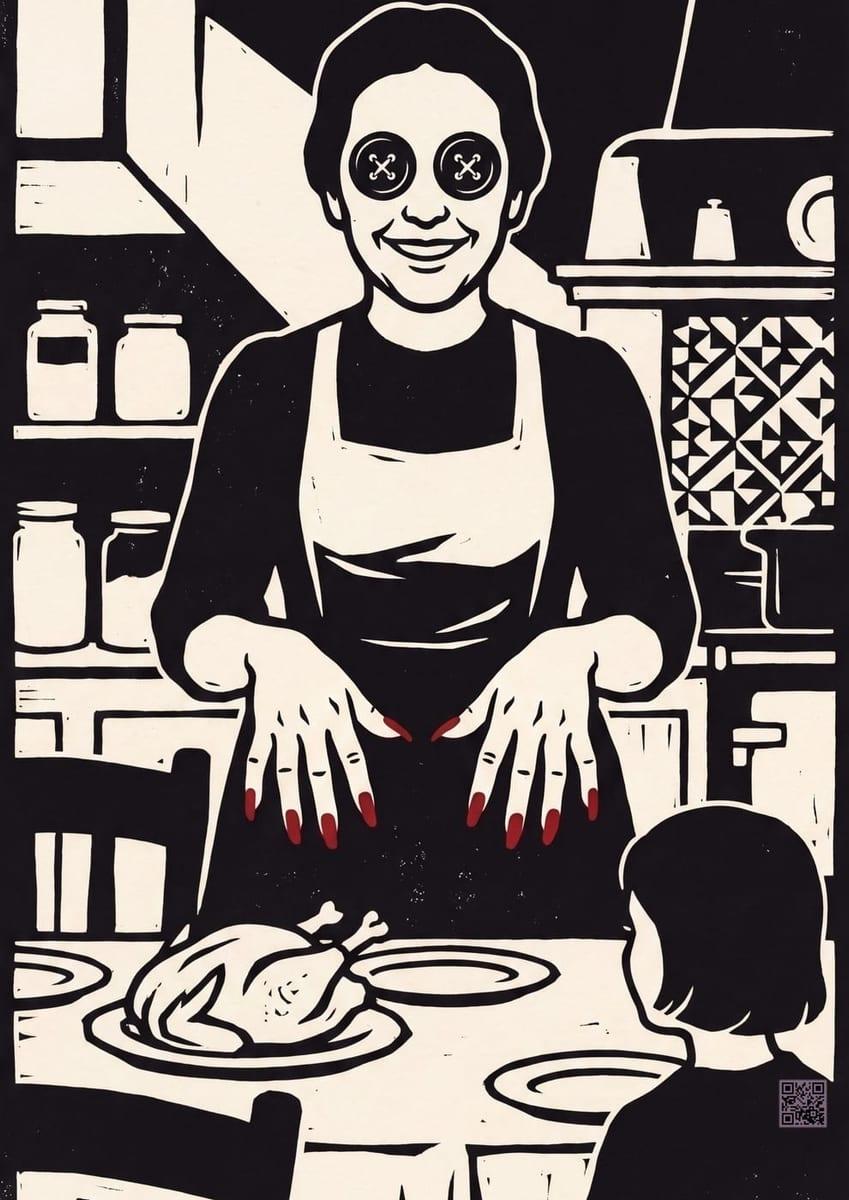
The modern one. A girl finds a little door in her new flat, and on the other side is a mother who is almost her own, except for the black buttons where her eyes should be. It is a children's book, and it frightens adults more. My print is the moment the Other Mother welcomes Coraline to lunch.
Buy at Bookshop.org: Coraline
The book, its awards and its Other Mother are in Coraline: the Other Mother, the book and Dave McKean's art.
Quotes, prints and gifts
Once you have picked your book, pick your line: Halloween quotes from classic gothic novels, with where each one comes from. The scenes are also made as art prints in our Gothic and Horror collection, and gothic gifts for book lovers has presents for a reader.
The classic gothic pictures owe a lot to Gustave Dore: the engraver who illustrated the dark. For gothic places, read the ten most atmospheric scenes in classic novels.
More from the gothic hub
- Up: the gothic and horror hub, with the prints, bookmarks, news, facts and a map for Coraline, Wuthering Heights, Dracula and the Phantom.
- Next: The real Whitby behind Dracula.
- Next: Coraline: the Other Mother and the book.
- Next: Dark academia wall art prints.
Sources (7)
All read on 20 November 2026 and written up here in our own words.
- Wikipedia: Gothic fiction, the first Gothic work and its early writers.
- Wikipedia: The Castle of Otranto, the 1764 novel.
- Wikipedia: The Monk, the 1796 novel.
- Wikipedia: Jane Eyre, its publication and Gothic elements.
- Wikipedia: Rebecca, its sales.
- Wikipedia: Blood Meridian, its classification.
- Wikipedia: The Fall of the House of Usher, its publication.
Bookshop.org supports independent bookshops. This is an affiliate link: Chapter & Scene earns a small commission on qualifying purchases, at no extra cost to you.
Keep reading
Worth following
More gothic and horror, from places we like. Tap a title, then a name.
Places, festivals and sitesWhere the stories happened, and where fans gather
Bronte Parsonage MuseumThe Haworth home of the Bronte sisters
 Photo: DeFacto, CC BY-SA 4.0, via Wikimedia Commons
Museum
The museum describes itself as the home of the famous Bronte sisters. It is the house they grew up in, and the place to learn the story of the writers behind Wuthering Heights and Jane Eyre.
Open the Bronte Parsonage Museum ↗Opens in a new tab. Independent of Chapter & Scene.
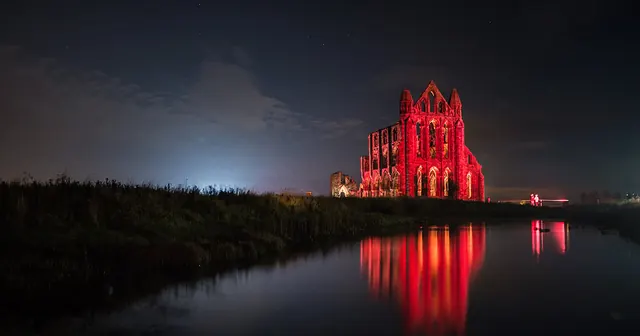
Whitby Abbey (English Heritage)Haunting Gothic ruins above Whitby
Heritage site
English Heritage's own page for the abbey, which it describes as haunting Gothic ruins high above Whitby. Check it before you plan a visit.
Open the Whitby Abbey page ↗Opens in a new tab. Independent of Chapter & Scene.
Whitby Goth WeekendA goth music festival, founded in 1994
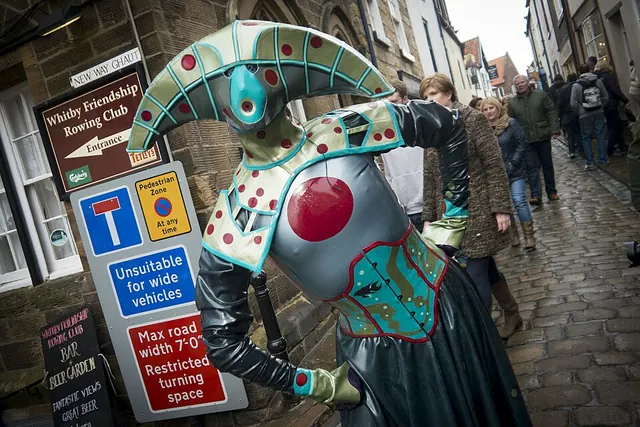 Photo: Bryan Ledgard, CC BY 2.0, via Wikimedia Commons
Festival
The festival says it is an alternative music festival, founded in 1994, that has grown into one of the world's premier goth events. Wikipedia adds that it is held twice a year.
Open the Whitby Goth Weekend site ↗Opens in a new tab. Independent of Chapter & Scene.
Dracula DailyThe novel, emailed to you in real time
Newsletter
A Substack that emails you the classic novel Dracula in real time, as the events happen. A gentle way to read it slowly.
Open Dracula Daily ↗Opens in a new tab. Independent of Chapter & Scene.
PodcastsFor the commute, the walk or the washing up
BacklistedA books podcast from two readers

Podcast
A books podcast presented by John Mitchinson and Andy Miller, good company for classic and older reads.
Open Backlisted ↗Opens in a new tab. Independent of Chapter & Scene.
PseudoPodHorror fiction, read aloud
Podcast
A horror fiction podcast. Its own page calls it the sound of horror.
Open PseudoPod ↗Opens in a new tab. Independent of Chapter & Scene.
Free audiobooksPublic domain recordings by volunteers
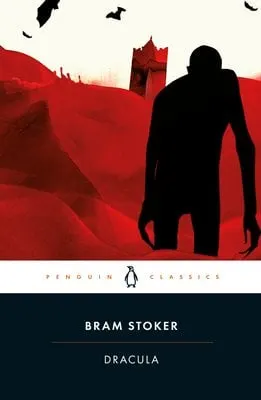
Dracula (LibriVox)About 16.5 hours, read by volunteers
Free audiobook
A free recording by LibriVox volunteers, running 16 hours 31 minutes. LibriVox notes its recordings are public domain in the USA.
Open it on LibriVox ↗Opens in a new tab. Independent of Chapter & Scene.
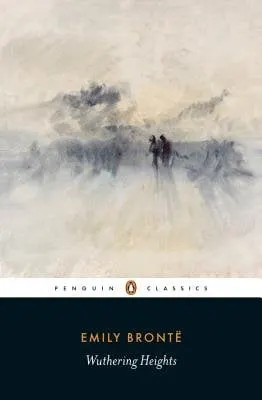
Wuthering Heights (LibriVox)About 11.5 hours, read by volunteers
Free audiobook
A free recording by LibriVox volunteers, running 11 hours 33 minutes.
Open it on LibriVox ↗Opens in a new tab. Independent of Chapter & Scene.
Frankenstein, 1818 text (LibriVox)About 8 hours, read by Cori Samuel
Free audiobook
A free recording of the 1818 text of Frankenstein read by Cori Samuel, running 7 hours 59 minutes.
Open it on LibriVox ↗Opens in a new tab. Independent of Chapter & Scene.
Questions
What is the first gothic novel?
Horace Walpole's The Castle of Otranto, first published in 1764, which Wikipedia says is generally regarded as the first Gothic novel.
What is the most famous gothic novel?
There is no official answer. Frankenstein (1818) and Dracula (1897) appear on almost every list.
What are modern gothic novels?
Rebecca (1938), The Haunting of Hill House (1959), Blood Meridian (1985) and Coraline (2002) are modern books in the gothic tradition.
Which gothic novel should I read first?
Coraline if you want it short, Wuthering Heights for moors and passion, or Dracula for atmosphere on the Yorkshire coast.
Was Dracula the first vampire novel?
No. Carmilla by Sheridan Le Fanu was first published as a serial in 1871 and 1872, about 25 years before Dracula in 1897, according to Wikipedia.
How did Frankenstein begin?
In the cold summer of 1816, when Mary Shelley, Percy Shelley, John Polidori and Lord Byron stayed by Lake Geneva and Byron suggested each write a ghost story. The first edition was published anonymously on 1 January 1818.