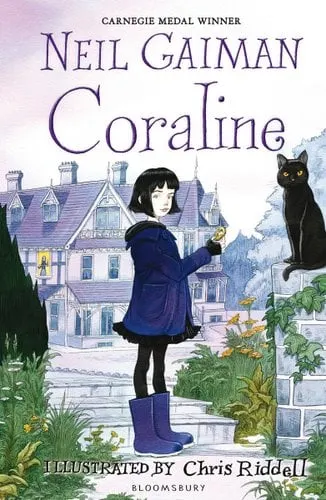
Coraline turns 25 on 2 July 2027
Coraline was first published on 2 July 2002, so its 25th anniversary is on 2 July 2027. No anniversary edition or event had been announced on 20 November 2026 (reported, from Wikipedia).
Read the full storyGothic and horror books hub
Reading lists, gifts, news and the stories behind our gothic wall art, from Coraline and Wuthering Heights to Dracula, the Phantom of the Opera, Sleepy Hollow and Poe. Looking for gothic gifts for a book lover? Start with our gift guide.
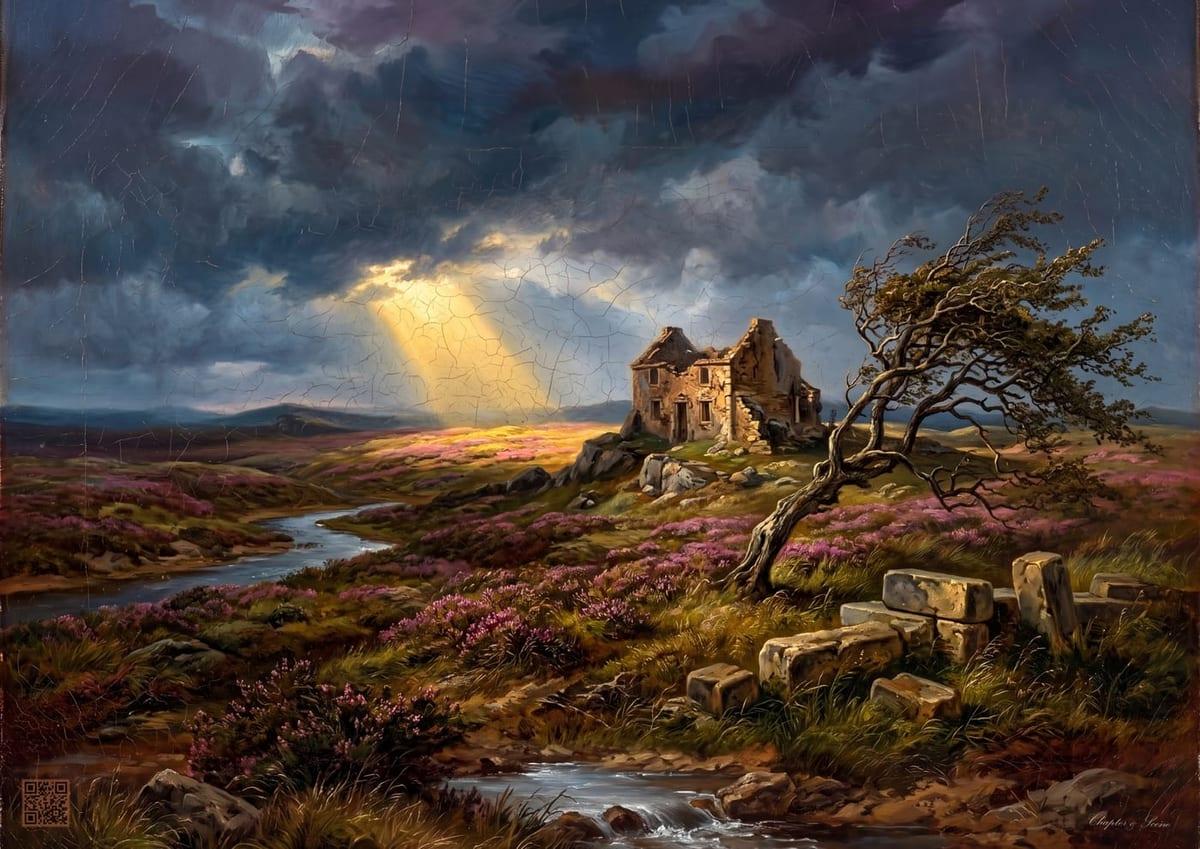
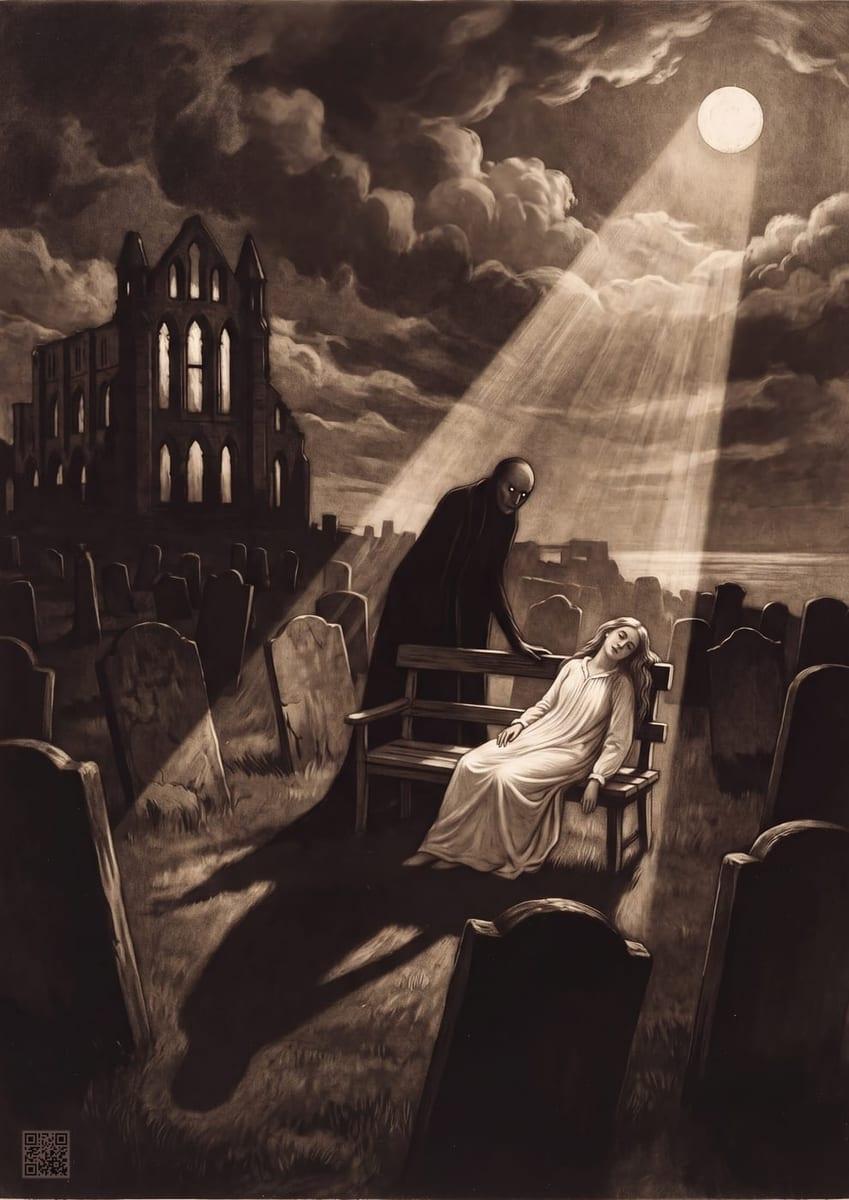
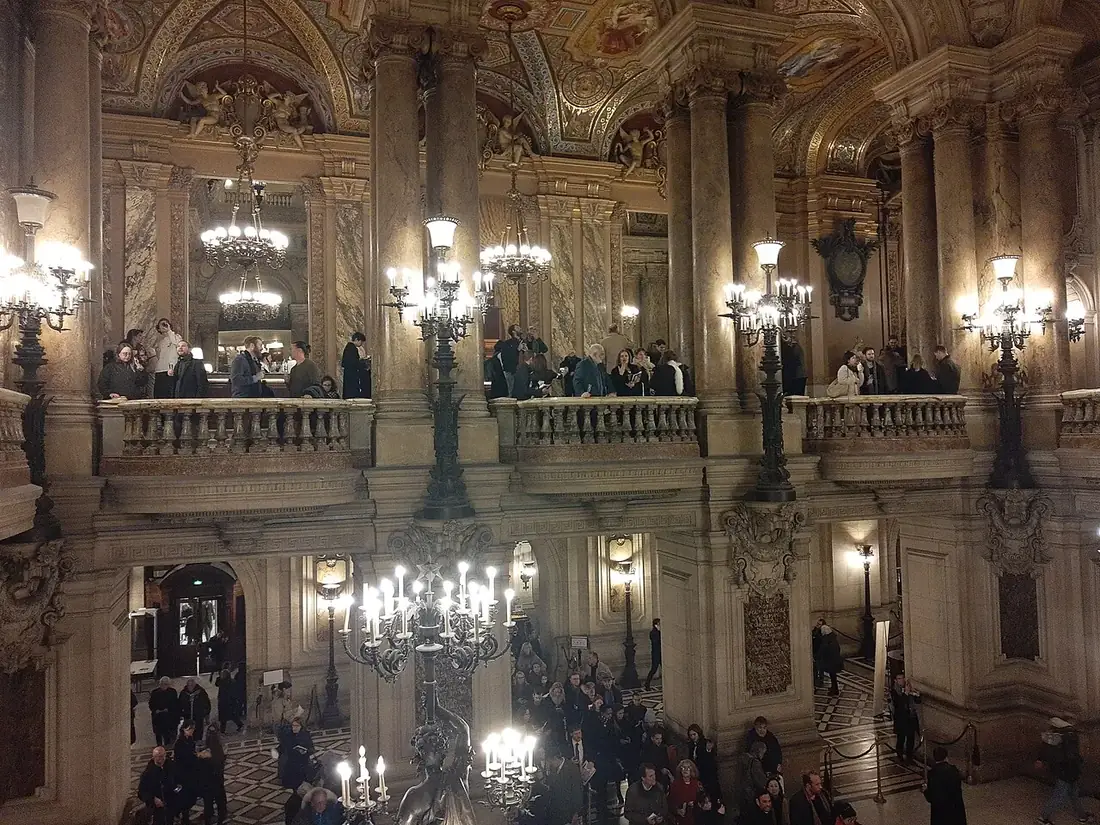
A good way in is to begin with a story you already half know. Coraline (2002) is a short fantasy horror novella that won the 2003 Hugo and Nebula awards. Wuthering Heights (1847) is Emily Bronte's only novel, set on the West Yorkshire moors. Dracula (1897) sends its heroine to Whitby, and The Phantom of the Opera (1910) is set in the real Palais Garnier in Paris.
By Scout. Last checked 20 November 2026.
In this hub
CoralineThe Other Mother, the book and the printsWuthering HeightsThe moors, the quotes and the 2026 film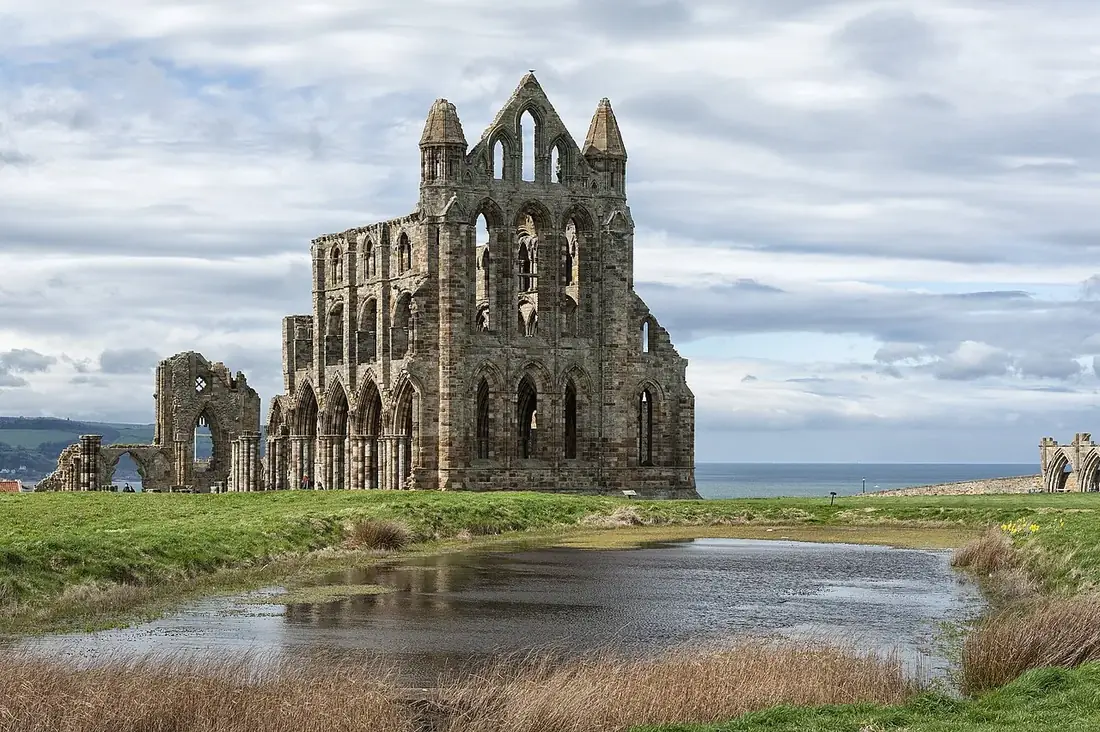 DraculaThe real Whitby behind the novel
 The Phantom of the OperaThe Paris opera house
 Poe and Sleepy HollowThe Raven, line by line
 Gothic wall artPrints for the dark side of the shelf
 Where it happenedWhitby, Haworth, Paris on a map
 Latest newsCoraline, Wuthering Heights, the Phantom
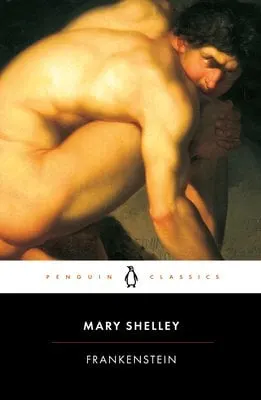 Gothic books in orderEleven reads, with covers
 BookmarksSets of three, £9.99RecommendedBooks and gifts we like
 Worth followingSites, podcasts, audiobooks
Latest news
Six dates worth knowing, each read from a publisher, museum or studio page. Items marked reported rest on one source. Updated 20 November 2026.
Swipe for more →
Coraline was first published on 2 July 2002, so its 25th anniversary is on 2 July 2027. No anniversary edition or event had been announced on 20 November 2026 (reported, from Wikipedia).
Read the full story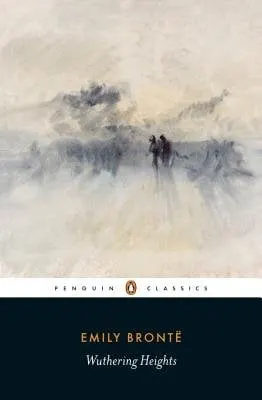
Emerald Fennell's film, with Margot Robbie and Jacob Elordi, opened in the UK and US on 13 February 2026 and grossed $242 million worldwide. Warner Bros. said it would stream on HBO Max from 1 May 2026, with the UK and Ireland named in the report.
Read the full storyDelfont Mackintosh's page says booking at His Majesty's Theatre runs to 2 October 2027, in the show's 40th anniversary year, with new cast from 23 November 2026. The stage show is also being filmed live for cinemas in 2027.
Read the full storyThe Bronte Parsonage Museum's own page lists The Colonial Brontes to 1 January 2027 and a Wuthering Heights display, A Book of Friendship, to 31 December 2026. No 2027 exhibition was visible on 20 November 2026.
Read the full storyWikipedia says Dracula was probably published on 26 May 1897, so the 130th anniversary is in late May 2027. We found no announced events at Whitby or elsewhere (reported). The Whitby Goth Weekend runs 30 April to 2 May and 29 to 31 October 2027.
Read the full story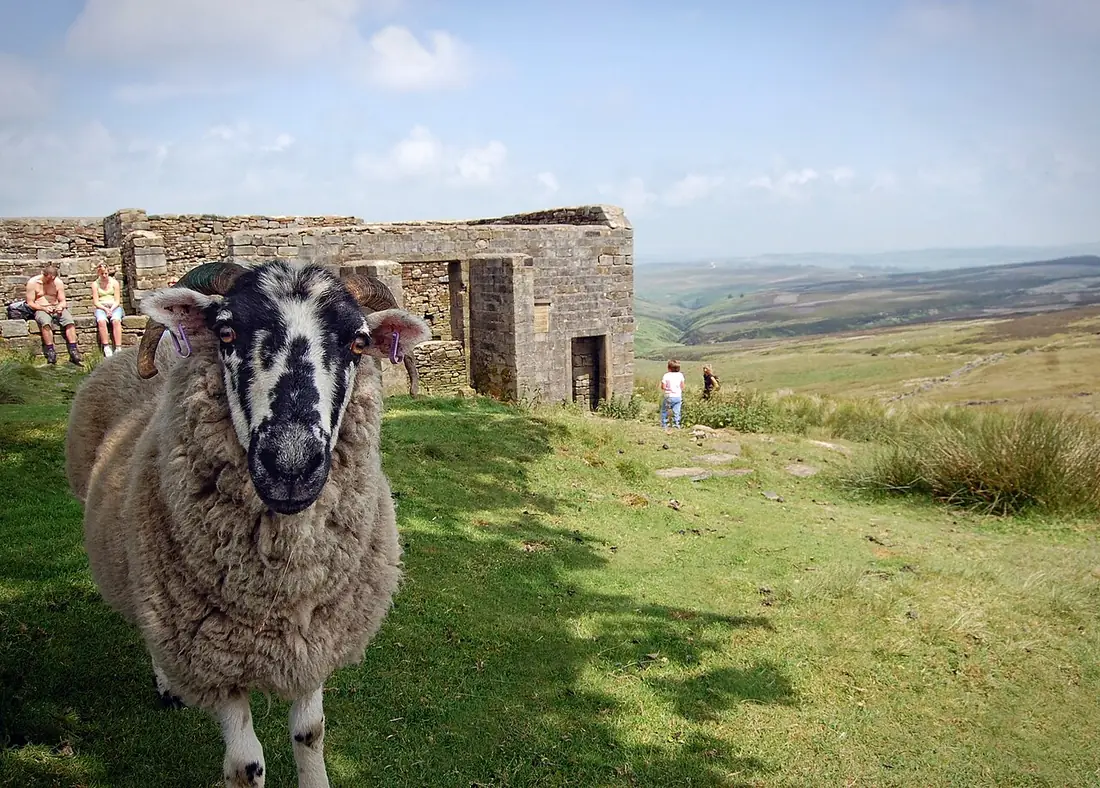
Penguin Classics published a Wuthering Heights film tie-in on 22 January 2026 at £9.99, Renard Press published Poe's The Raven with Manet's art on 15 June 2026, and Union Square lists Collected Tales of Poe for 11 August 2026.
Read the full storyStart here
Eleven gothic reads, starting with the two our readers ask about most. Each card shows when the book first appeared.
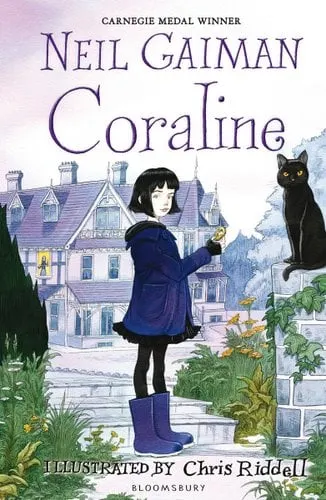 CoralineNeil GaimanWon the 2003 Hugo and Nebula awards for Best Novella.Buy on Bookshop.org
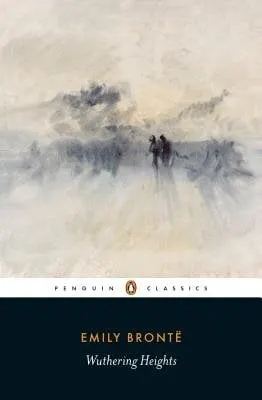 Wuthering HeightsEmily BrontëEmily Bronte's only novel, first published as by Ellis Bell.Buy on Bookshop.org
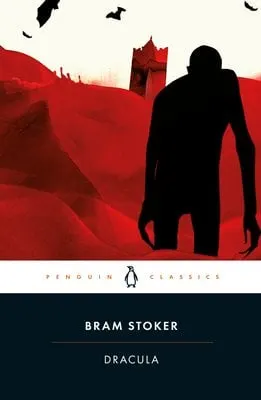 DraculaBram StokerStoker researched it in Whitby in 1890.Buy on Bookshop.org
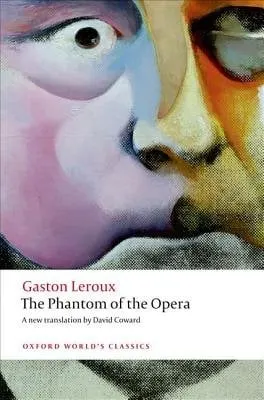
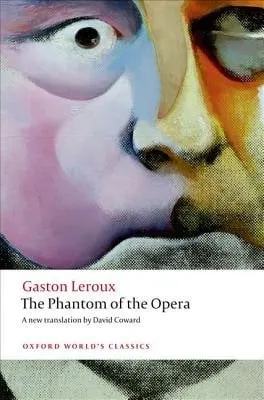 The Phantom of the OperaGaston LerouxFirst serialised in Le Gaulois from 23 September 1909.Buy on Bookshop.org
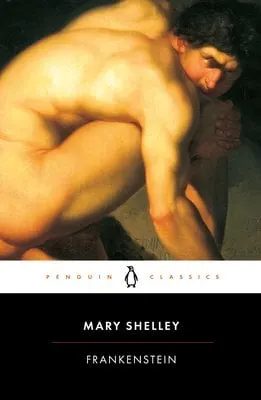 FrankensteinMary ShelleyThe first edition was published anonymously on 1 January 1818.Buy on Bookshop.org
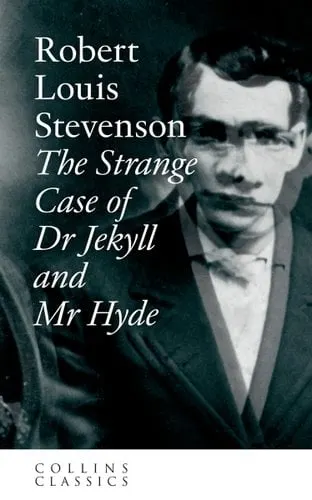 Strange Case of Dr Jekyll and Mr HydeRobert Louis StevensonDescribed as a defining book of the gothic genre.Buy on Bookshop.org
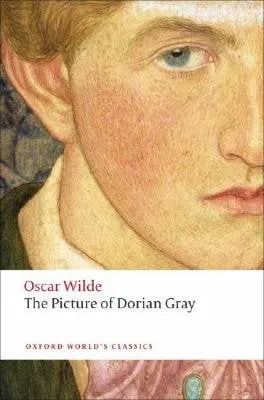 The Picture of Dorian GrayOscar WildeA shorter version ran in Lippincott's in July 1890; the novel followed in April 1891.Buy on Bookshop.org
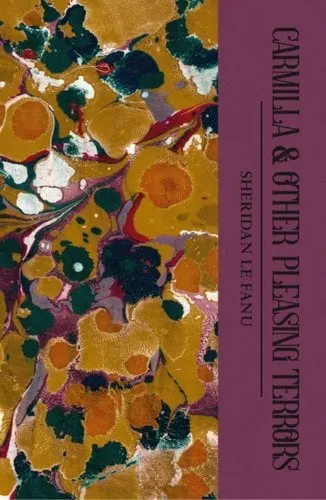 Carmilla and Other Pleasing TerrorsSheridan Le FanuA vampire novella that came 25 years before Dracula.Buy on Bookshop.org
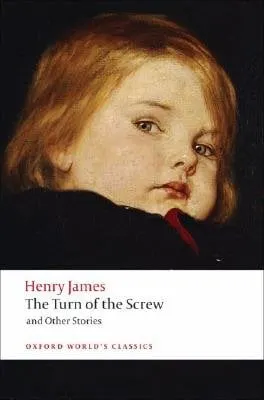 The Turn of the Screw and Other StoriesHenry JamesFirst appeared in Collier's Weekly from 27 January 1898.Buy on Bookshop.org
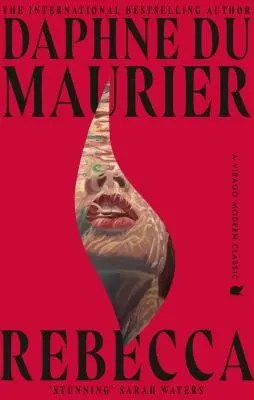 RebeccaDaphne du MaurierHas never gone out of print.Buy on Bookshop.org
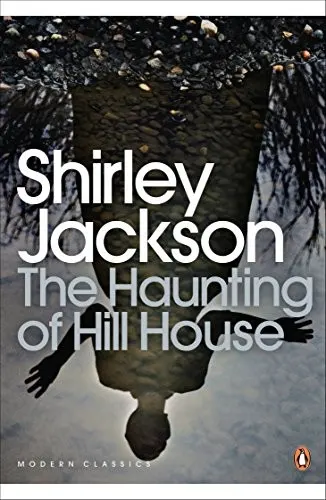 The Haunting of Hill HouseShirley JacksonA finalist for the National Book Award.Buy on Bookshop.org
Bookshop.org links are affiliate links: we earn a small commission, at no extra cost to you.
Places
Real places behind the books, pinned on the world map. Click a pin for what happened there and a photo. Whitby, Haworth and Paris are places you can still visit, and Bran Castle is here to separate the legend from the book.
Pinch to zoom, drag to move, tap a number
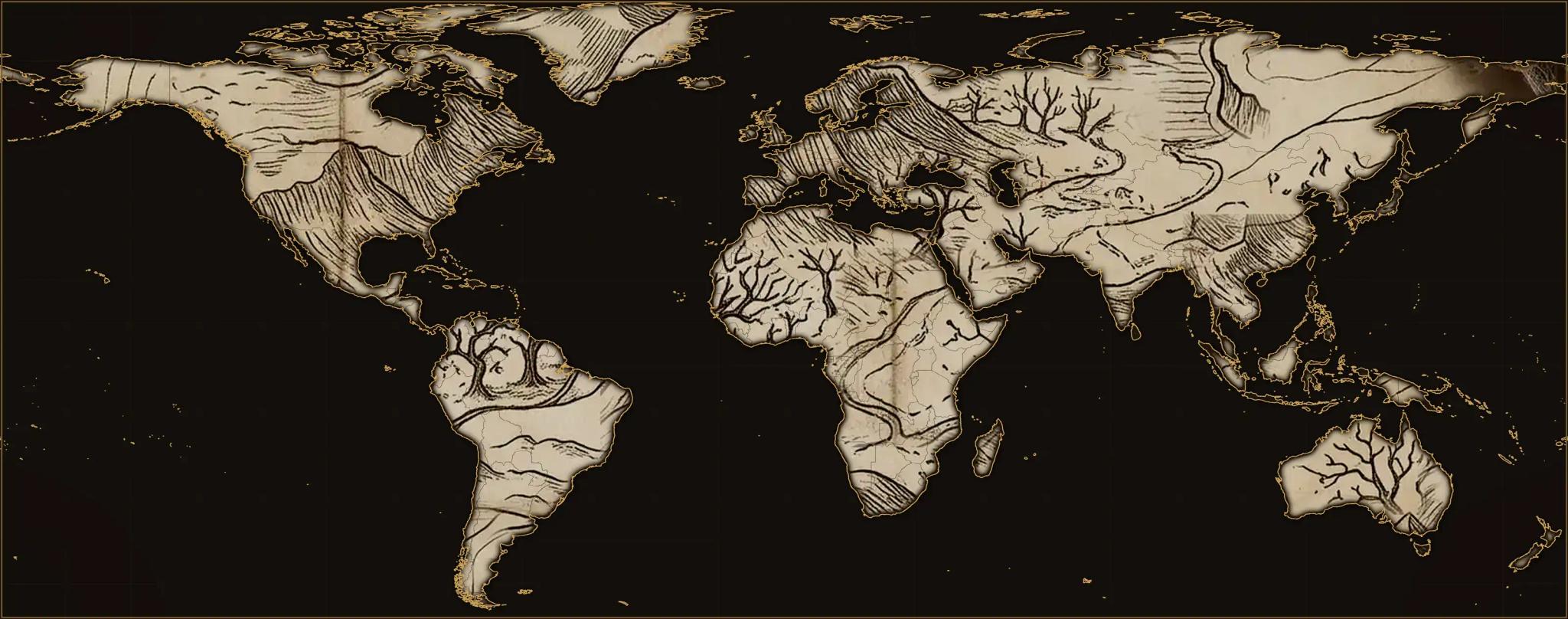
Facts are from the Wikipedia pages for Dracula, Wuthering Heights, The Phantom of the Opera, Frankenstein The Legend of Sleepy Hollow and Bran Castle, read on 20 November 2026. Pins in the same region are nudged apart, so each badge has a thin line to its true spot.
Did you know
Twelve facts, each read from a named source. Tap a small card to make it the big one.
Neil Gaiman started writing Coraline in 1990. It was published in 2002 by Bloomsbury and HarperCollins, and won the 2003 Hugo Award and the 2003 Nebula Award for Best Novella, plus the 2002 Bram Stoker Award for Best Work for Young Readers.
Neil Gaiman started writing Coraline in 1990. It was published in 2002 by Bloomsbury and HarperCollins, and won the 2003 Hugo Award and the 2003 Nebula Award for Best Novella, plus the 2002 Bram Stoker Award for Best Work for Young Readers.
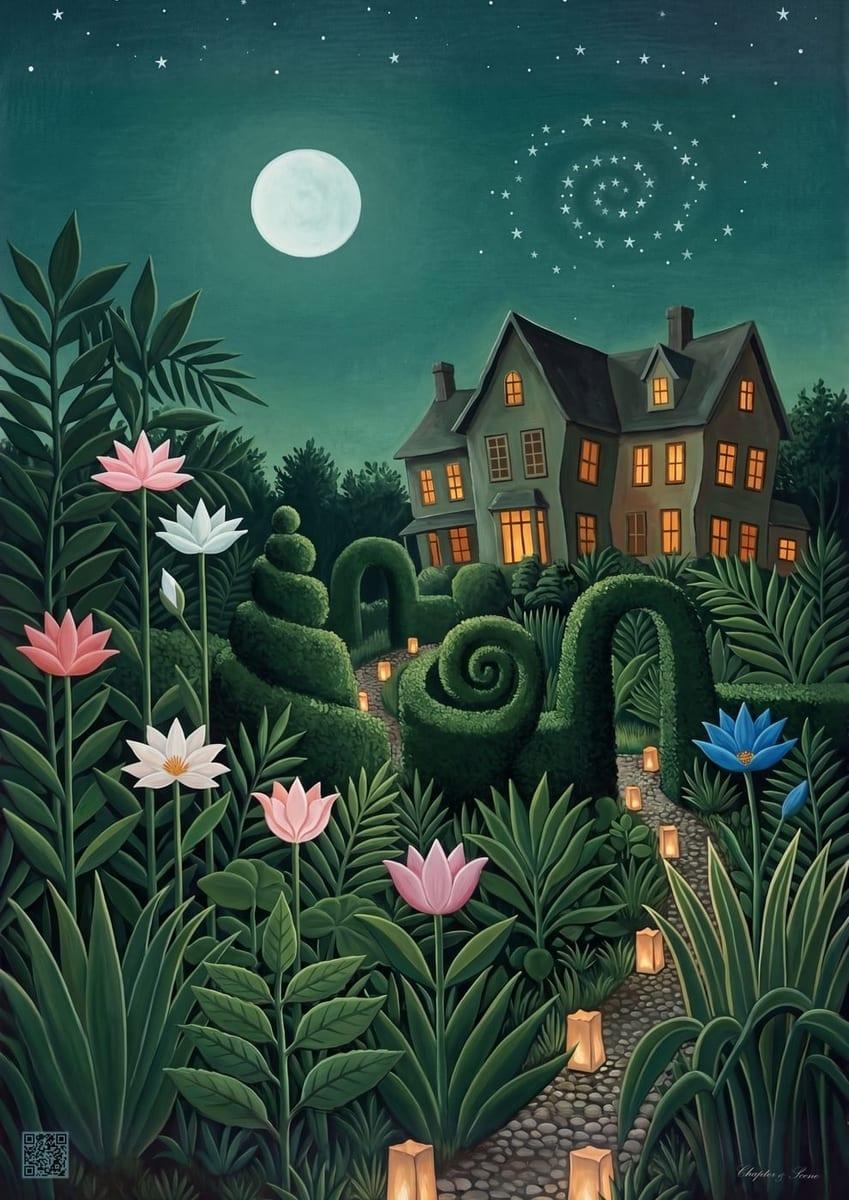
Henry Selick's stop-motion film, released on 6 February 2009, was the first feature-length film made by its studio. It grossed $126 million on release and, with re-releases, $188 million, making it the third-highest-grossing stop-motion film of all time. In the film the Beldam turns the Other Father into a pumpkin, which is not in the book.
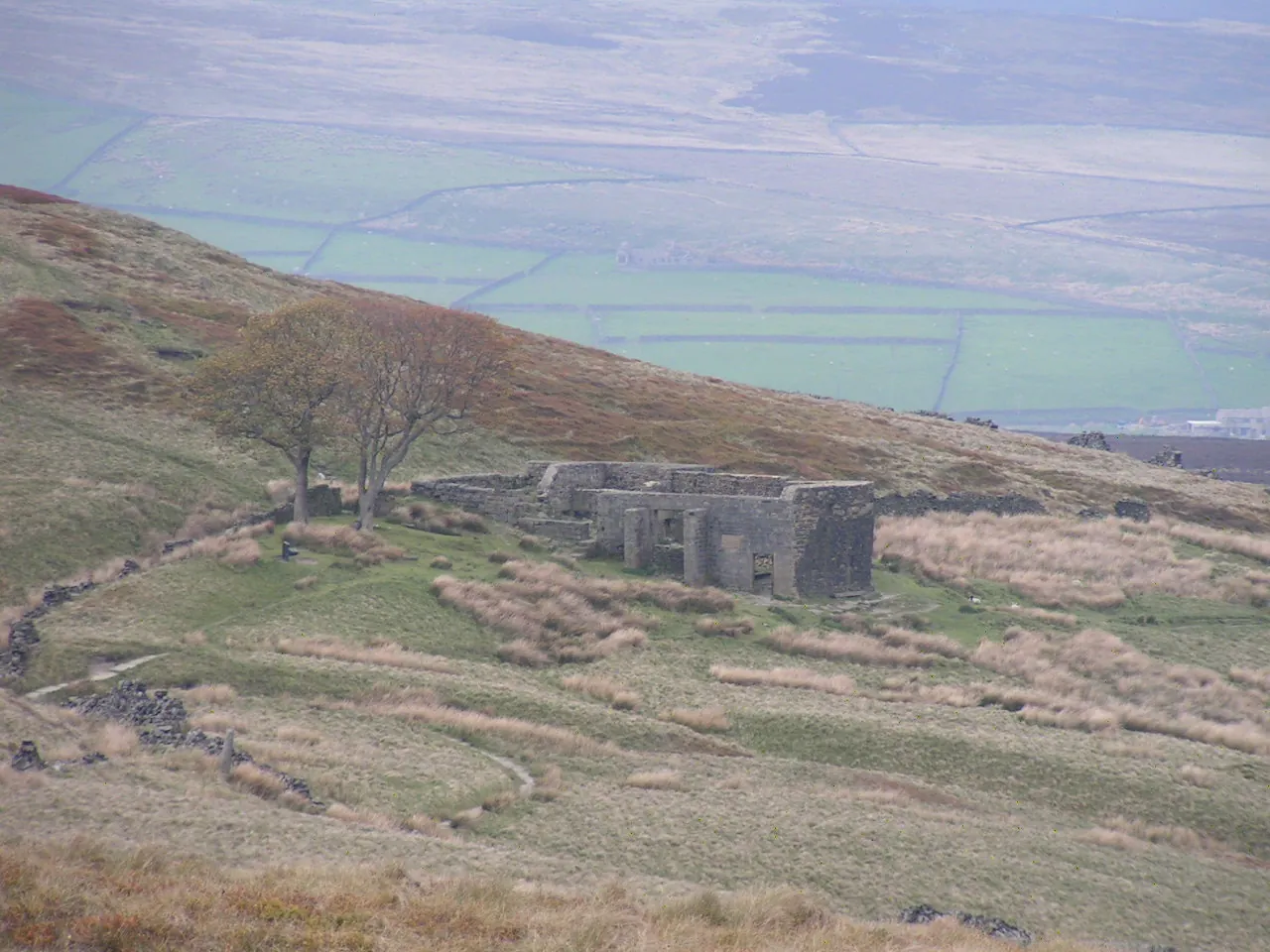
Photo: Dave Dunford, public domain, via Wikimedia Commons
Emily Bronte's only novel came out in 1847 under the pen name Ellis Bell. Thomas Newby accepted it along with Anne Bronte's Agnes Grey, but Charlotte's Jane Eyre was published first. The first American edition followed in April 1848.
Emerald Fennell wrote and directed the film, which she meant to recreate the feeling of a teenage girl reading the book for the first time. It premiered in Los Angeles on 28 January 2026, reached UK cinemas on 13 February and took $242 million against an $80 million budget.
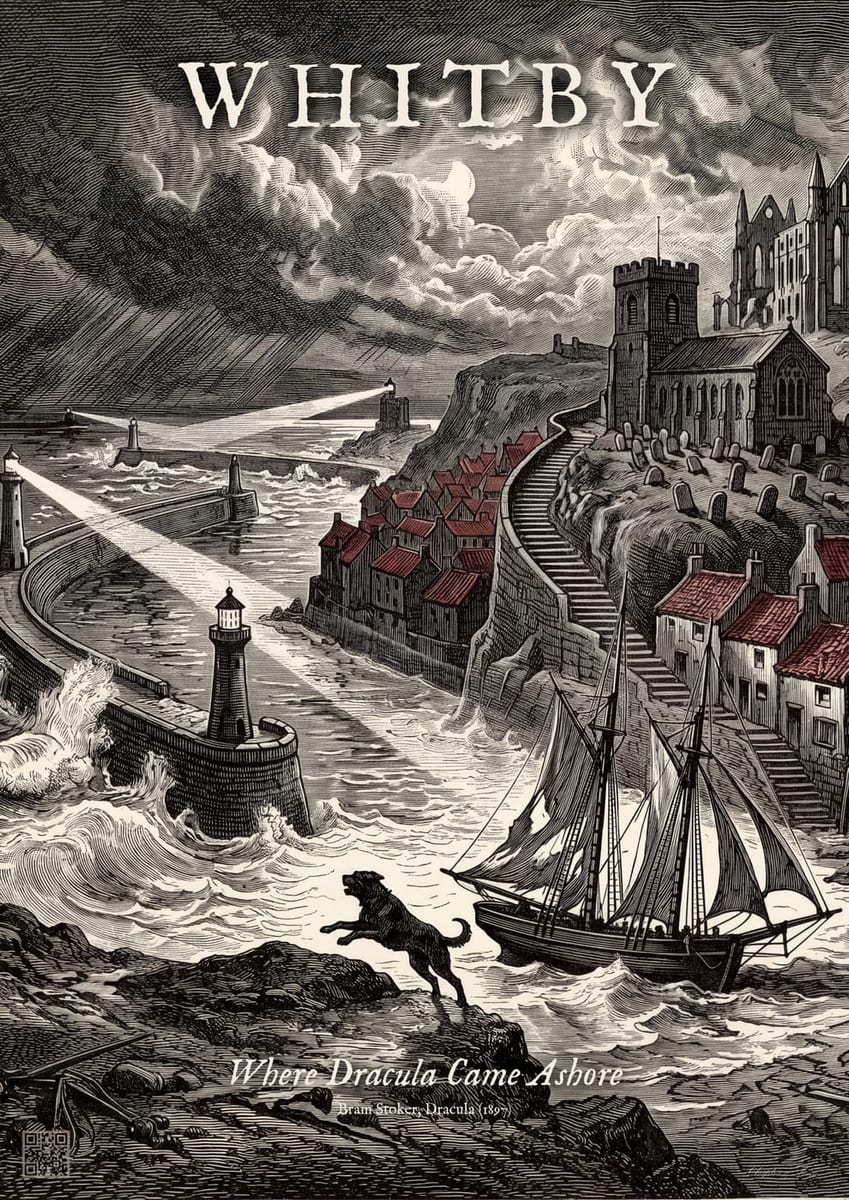
Bram Stoker assembled more than 100 pages of notes for Dracula, and did some of his research at a library in Whitby in the summer of 1890. His earliest dated notes, from 8 March 1890, outline the opening. He found the name Dracula in a history of Wallachia and Moldavia.
Gaston Leroux's novel ran in the newspaper Le Gaulois from 23 September 1909 to 8 January 1910, and came out as a book in late March 1910. It is set in the real Palais Garnier, and a chandelier counterweight that fell in the building, killing one person, fed the story.
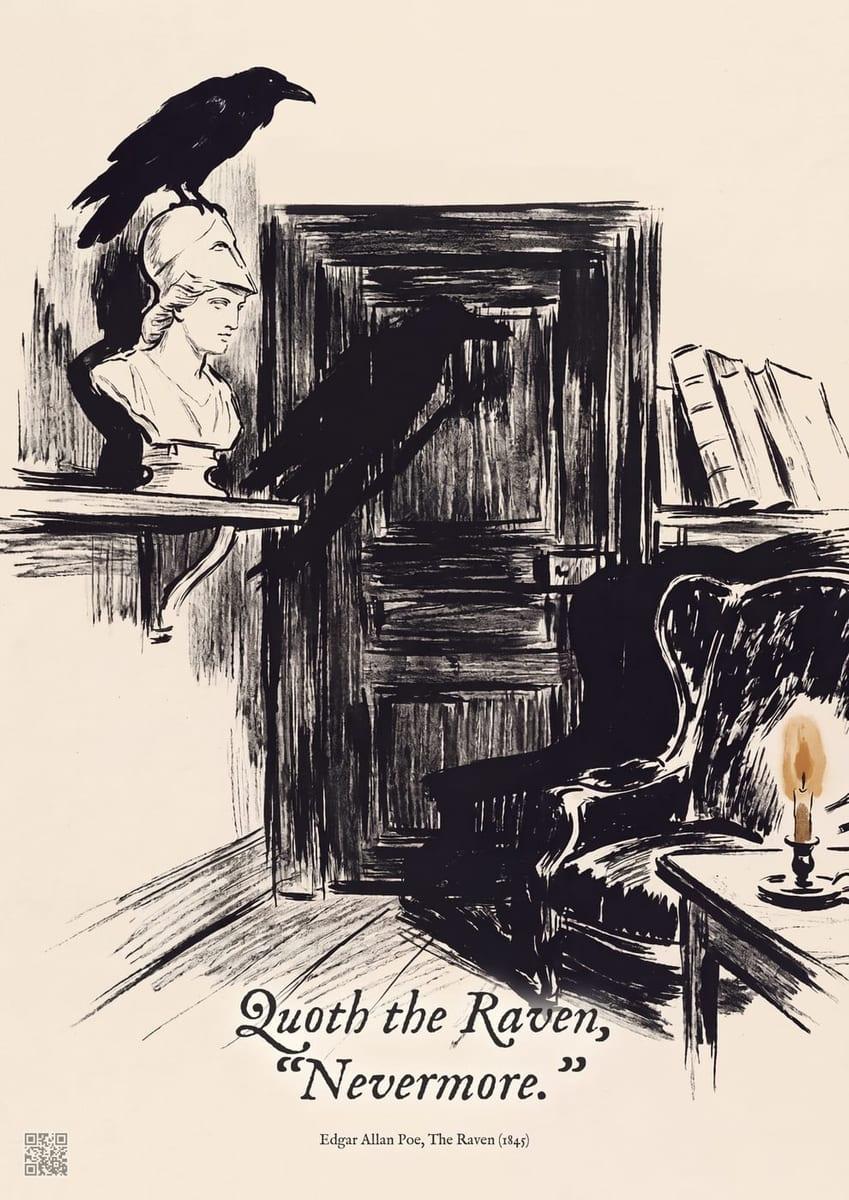
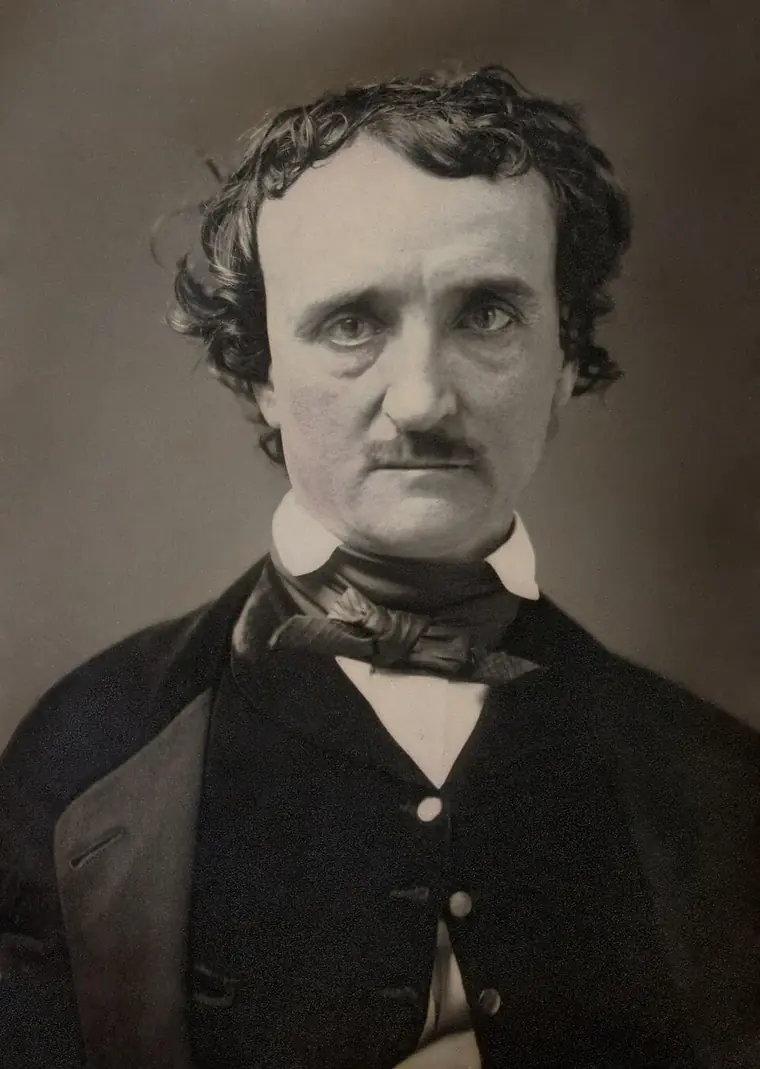
The poem was first attributed to Poe in print in the New York Evening Mirror on 29 January 1845. Its publication made him popular in his lifetime, though it did not bring much money. A talking raven in Dickens's Barnaby Rudge helped inspire it.
Photo: Gryffindor, CC BY-SA 3.0, via Wikimedia Commons
Washington Irving wrote The Legend of Sleepy Hollow while living in Birmingham, England. It appeared in 1820 in The Sketch Book of Geoffrey Crayon, Gent., has never been out of print and is set around 1790 near Tarrytown, New York.
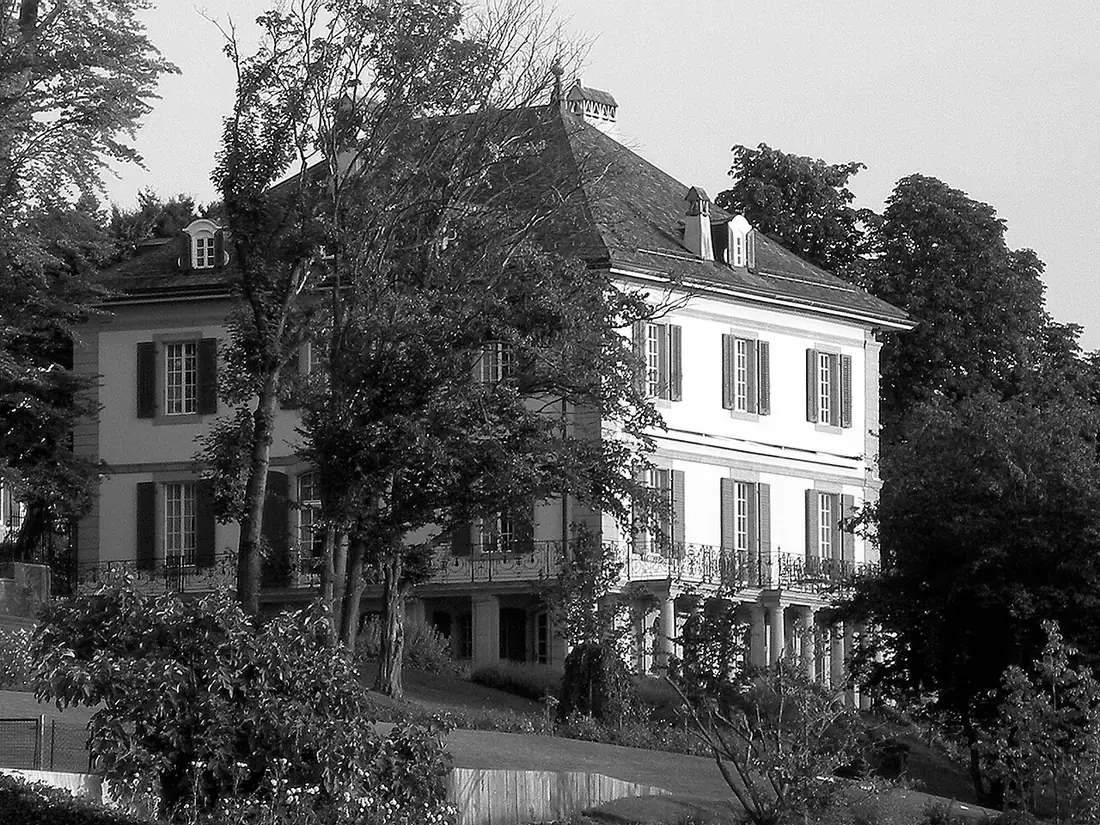
Photo: Robertgrassi, public domain, via Wikimedia Commons
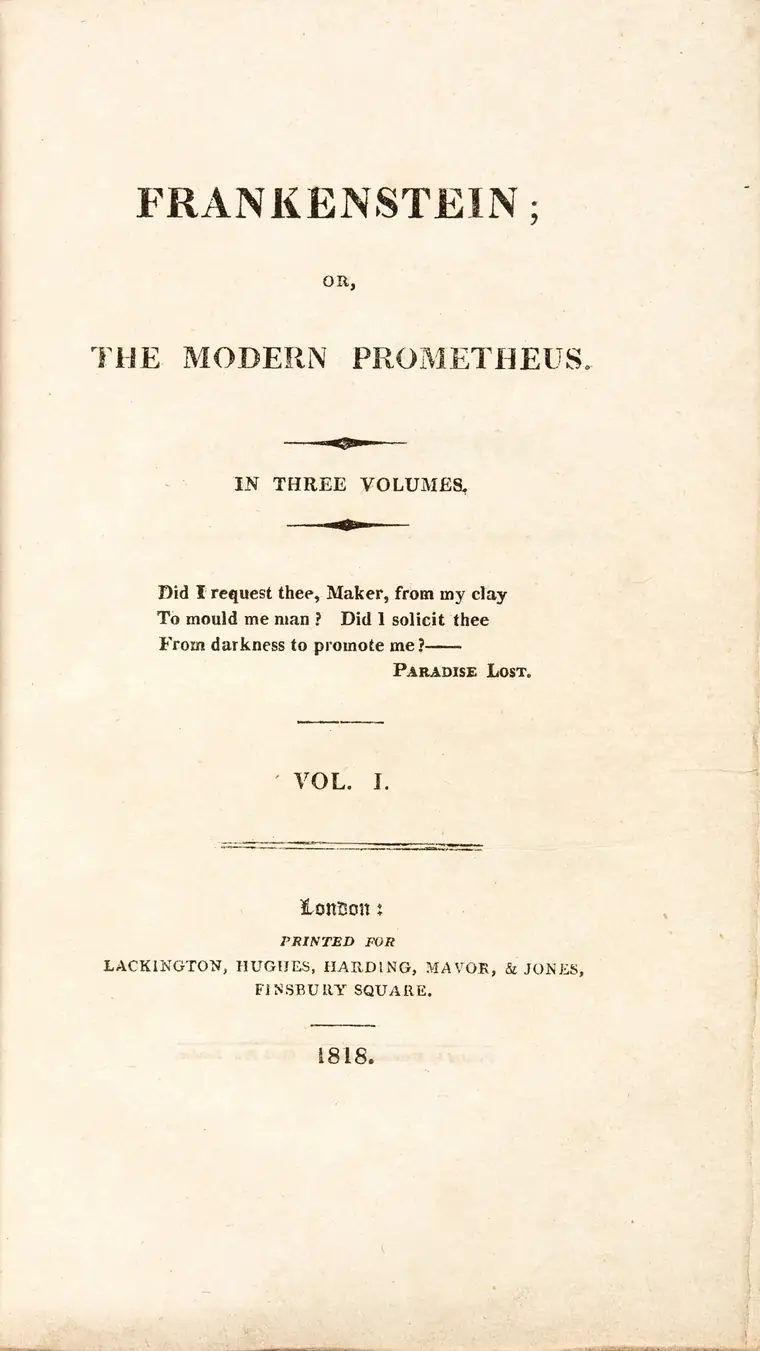
Lord Byron rented Villa Diodati near Lake Geneva from 10 June to 1 November 1816. The cold summer, which Wikipedia attributes to the eruption of Mount Tambora, kept his guests indoors, and he proposed that each write a ghost story. Mary Shelley's became Frankenstein, published anonymously on 1 January 1818, when she was 20.
Photo: Gerda Arendt, CC0, via Wikimedia Commons
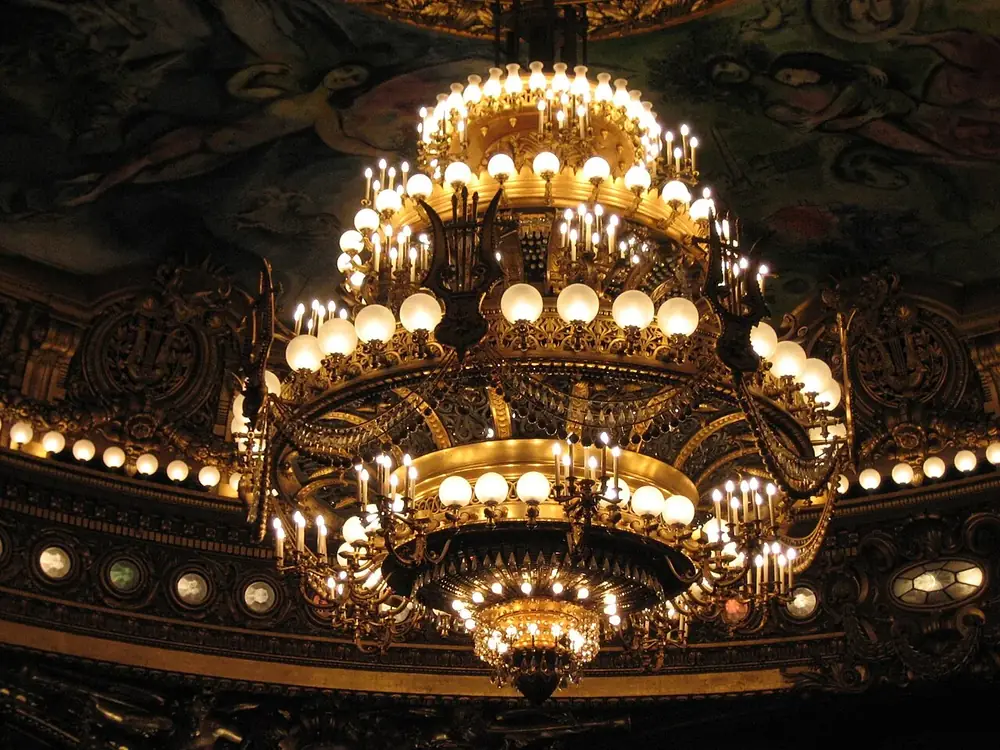
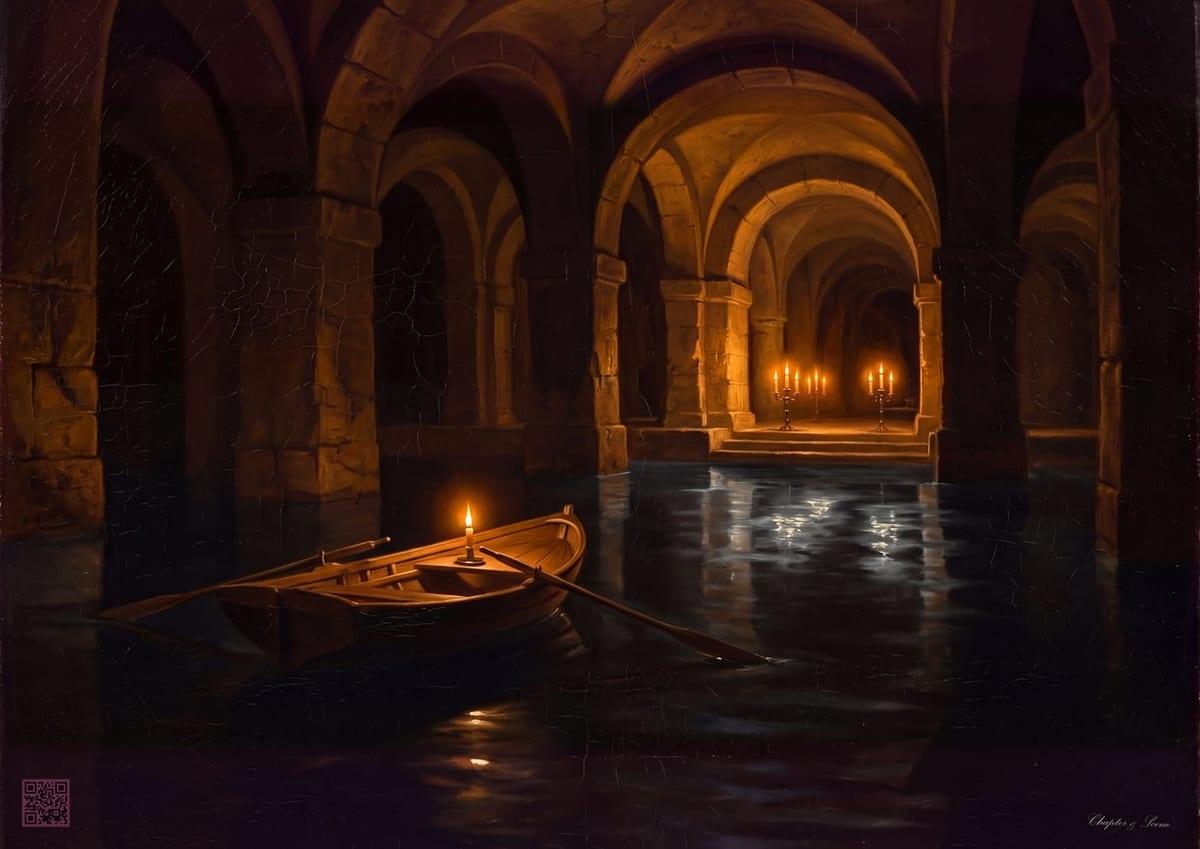
The Palais Garnier, a 1,979-seat opera house in Paris, was built from 1861 to 1875 for Emperor Napoleon III. On 20 May 1896 a chandelier counterweight broke free and killed a concierge, which Wikipedia says inspired Leroux's novel. The lake under the stage is a real cistern.
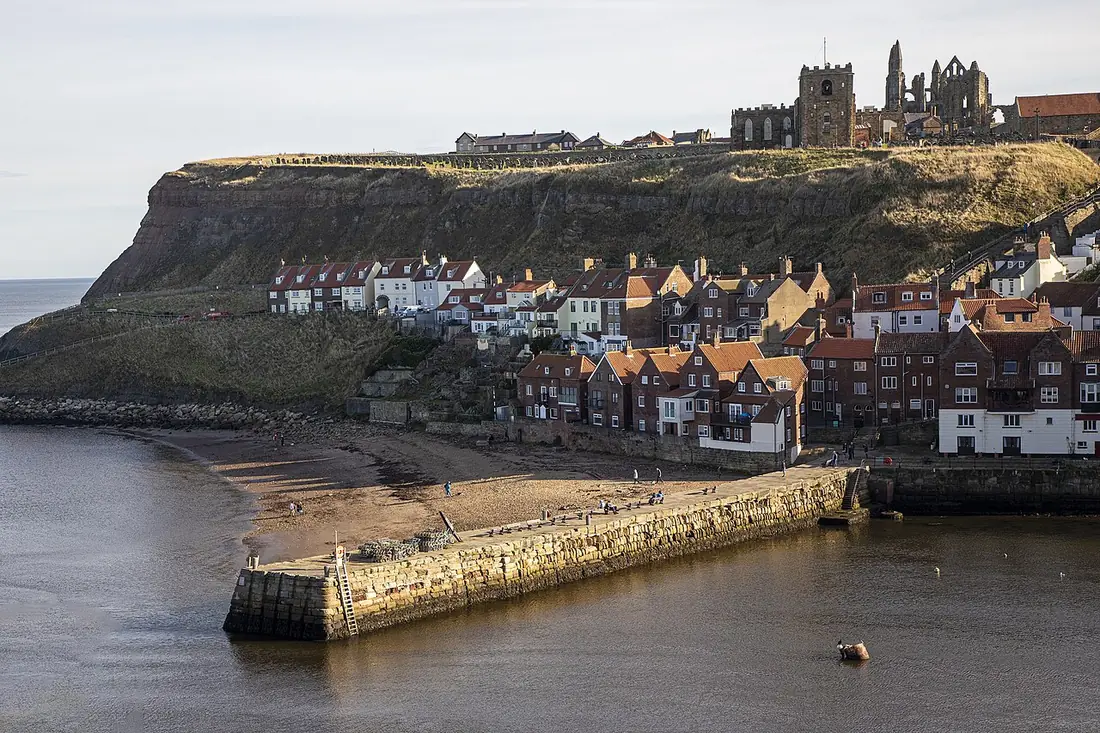
Photo: The joy of all things, CC BY-SA 4.0, via Wikimedia Commons
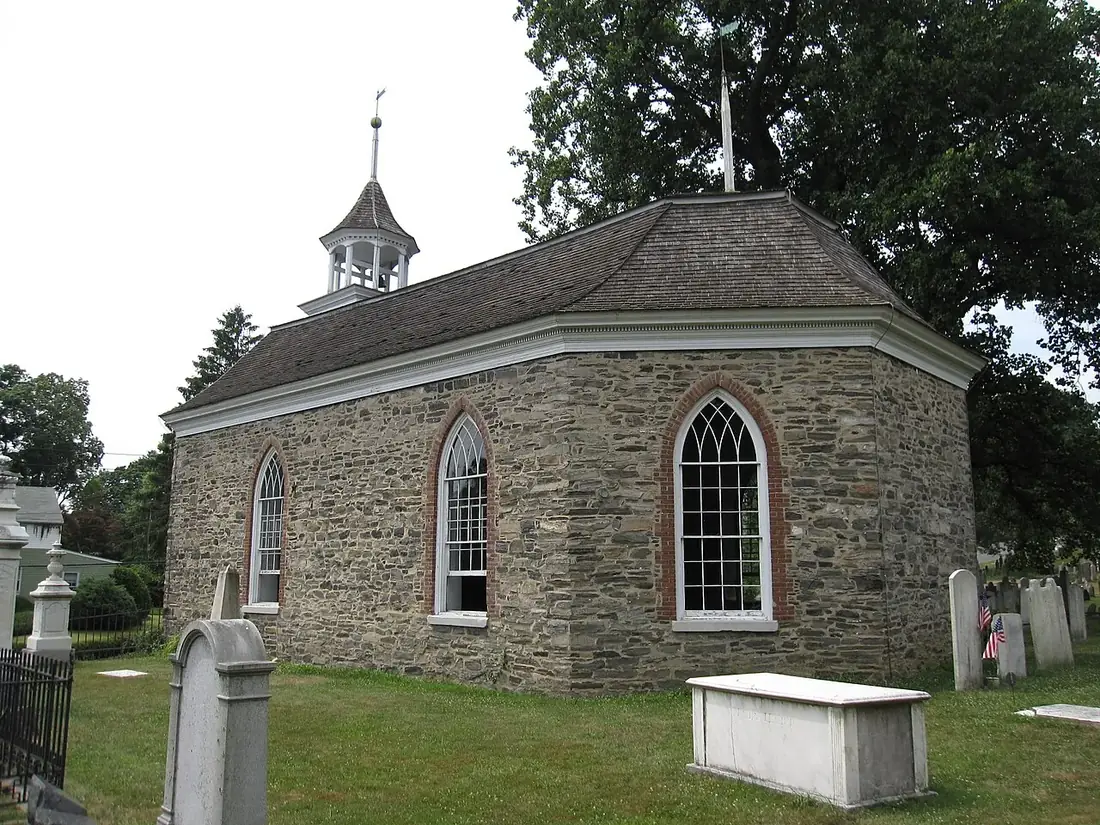
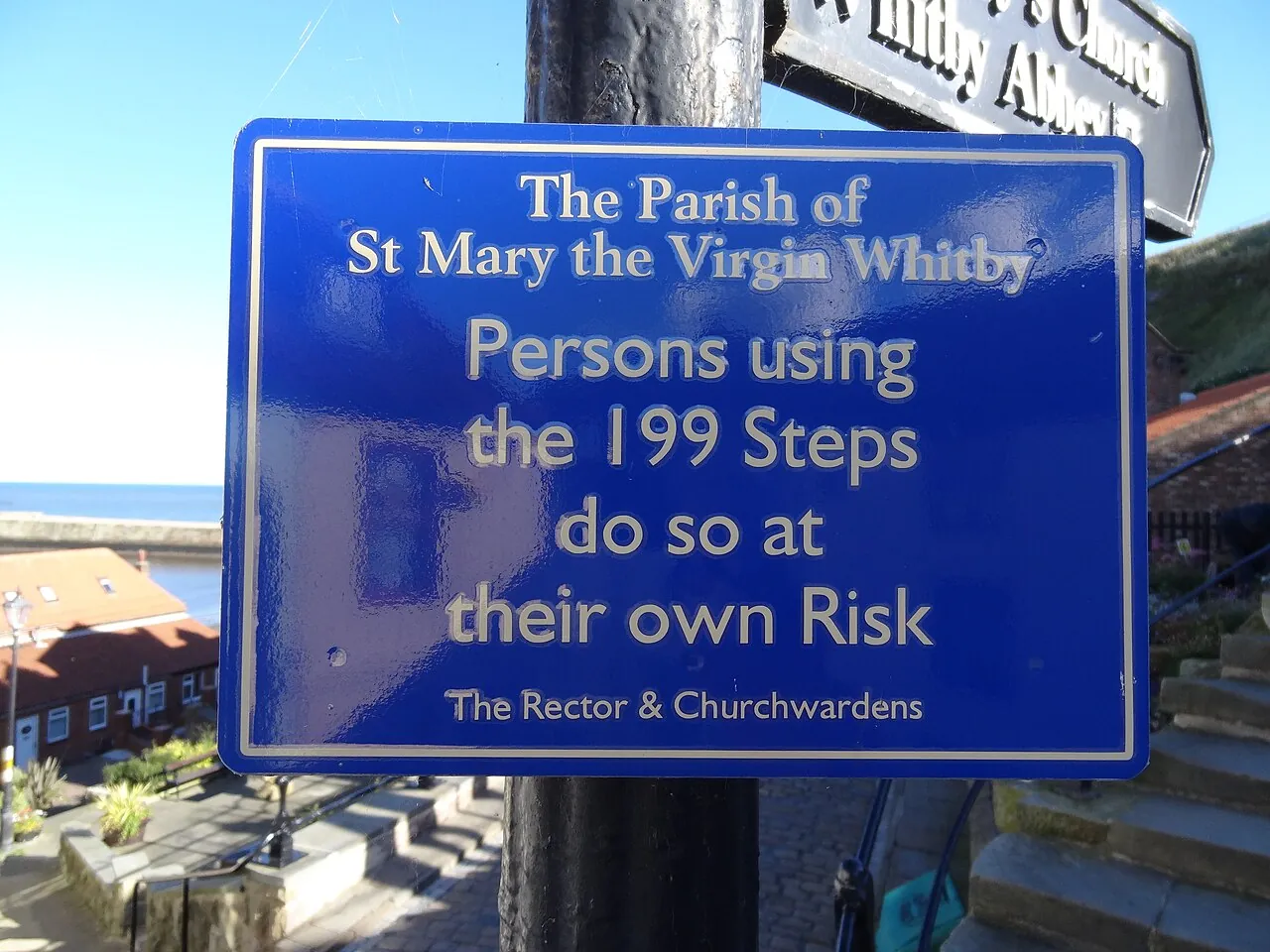
English Heritage says that on 8 August 1890 Bram Stoker found an 1820 book by William Wilkinson, whose footnote said Dracula in the Wallachian language means Devil, and noted the name with the date. The Russian ship Dmitry had run aground on Tate Hill Sands about five years earlier, and with a rearranged name became the Demeter.
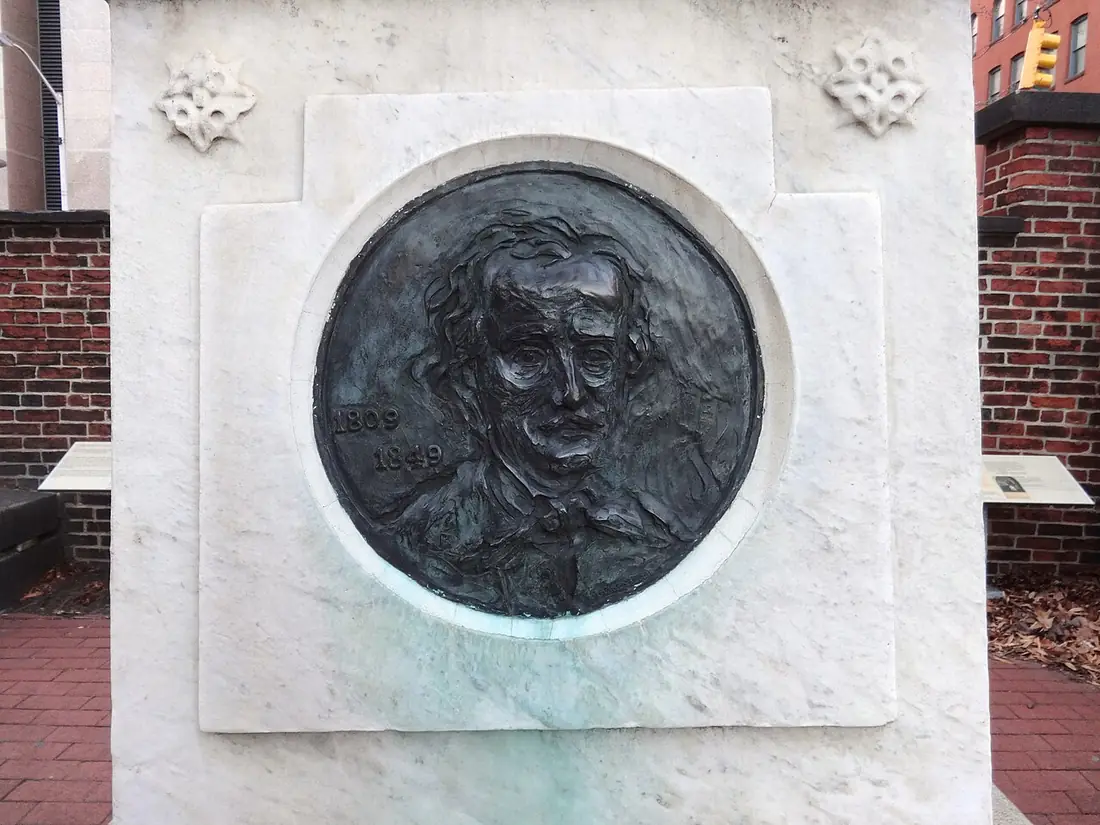
Photo: Bohemian Baltimore, CC BY-SA 4.0, via Wikimedia Commons
For decades, until 2009, a mystery visitor left cognac and three roses at Edgar Allan Poe's grave in Baltimore every 19 January, his birthday. Wikipedia's page on Poe dates the custom from 1949, while its page on the Poe Toaster says it may have begun in the 1930s.
Quiz
Eight questions, two minutes. You could be Coraline, Dracula, the Phantom, Heathcliff, Jane Eyre or Ichabod Crane, and you get a print to go with it.
Gothic wall art
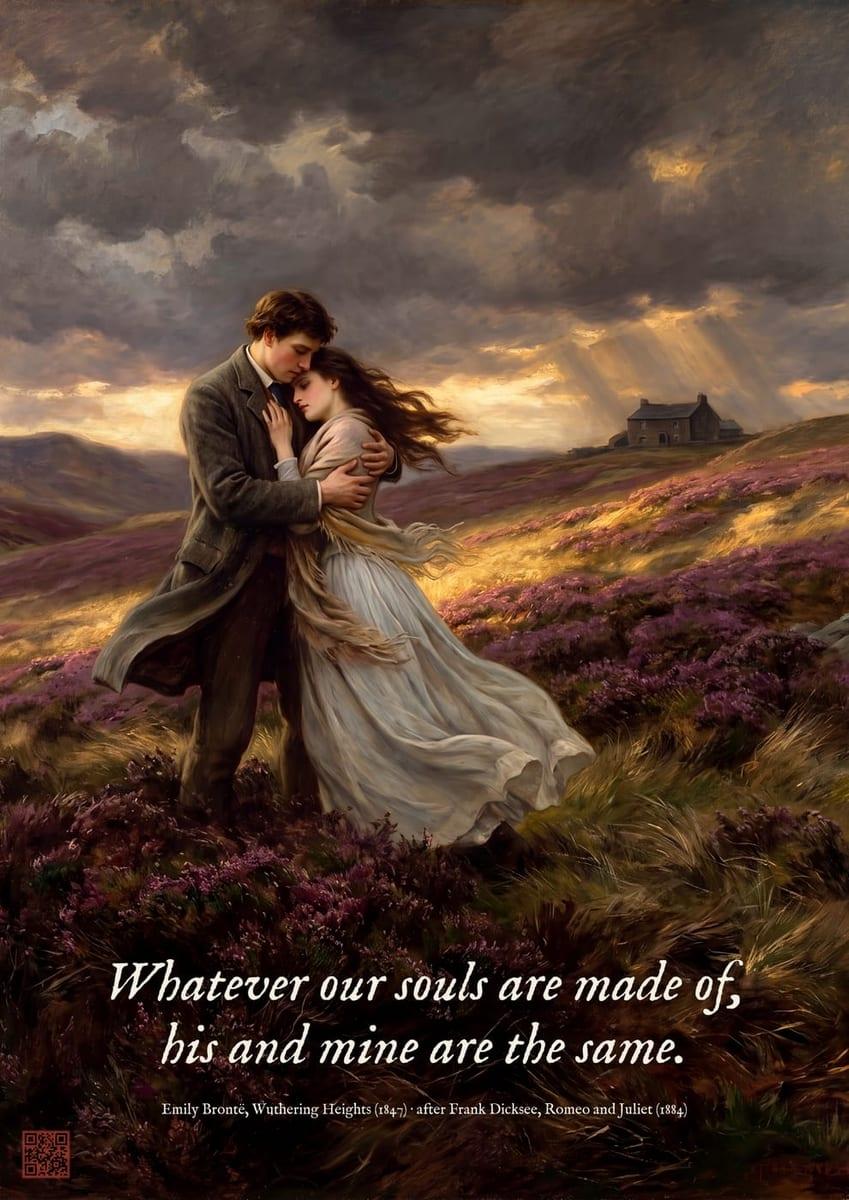
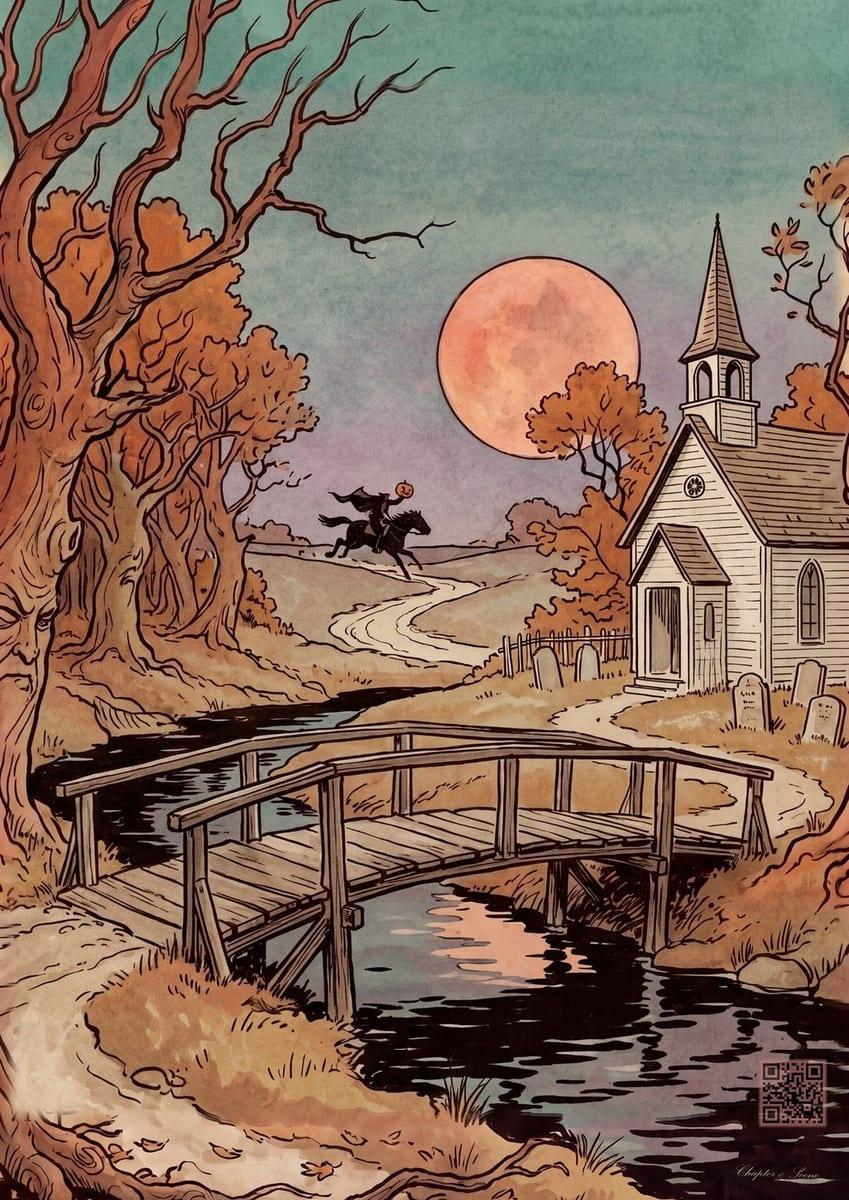
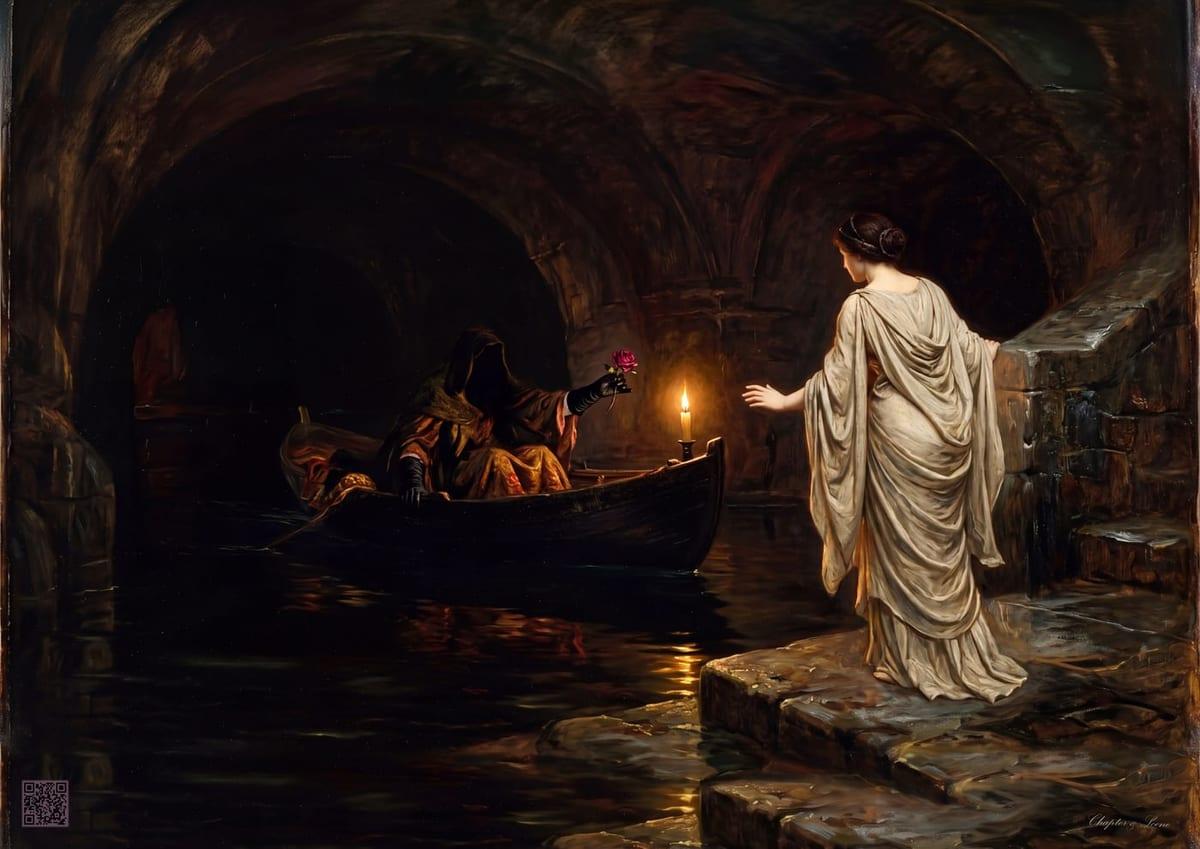
Coraline, Wuthering Heights, Dracula, the Phantom, Sleepy Hollow and Poe, each in the style of a real print or painting tradition, for readers who like their shelves on the dark side. Prints from £8.99. Free UK and US delivery. Every print has its own story page.
Gifts
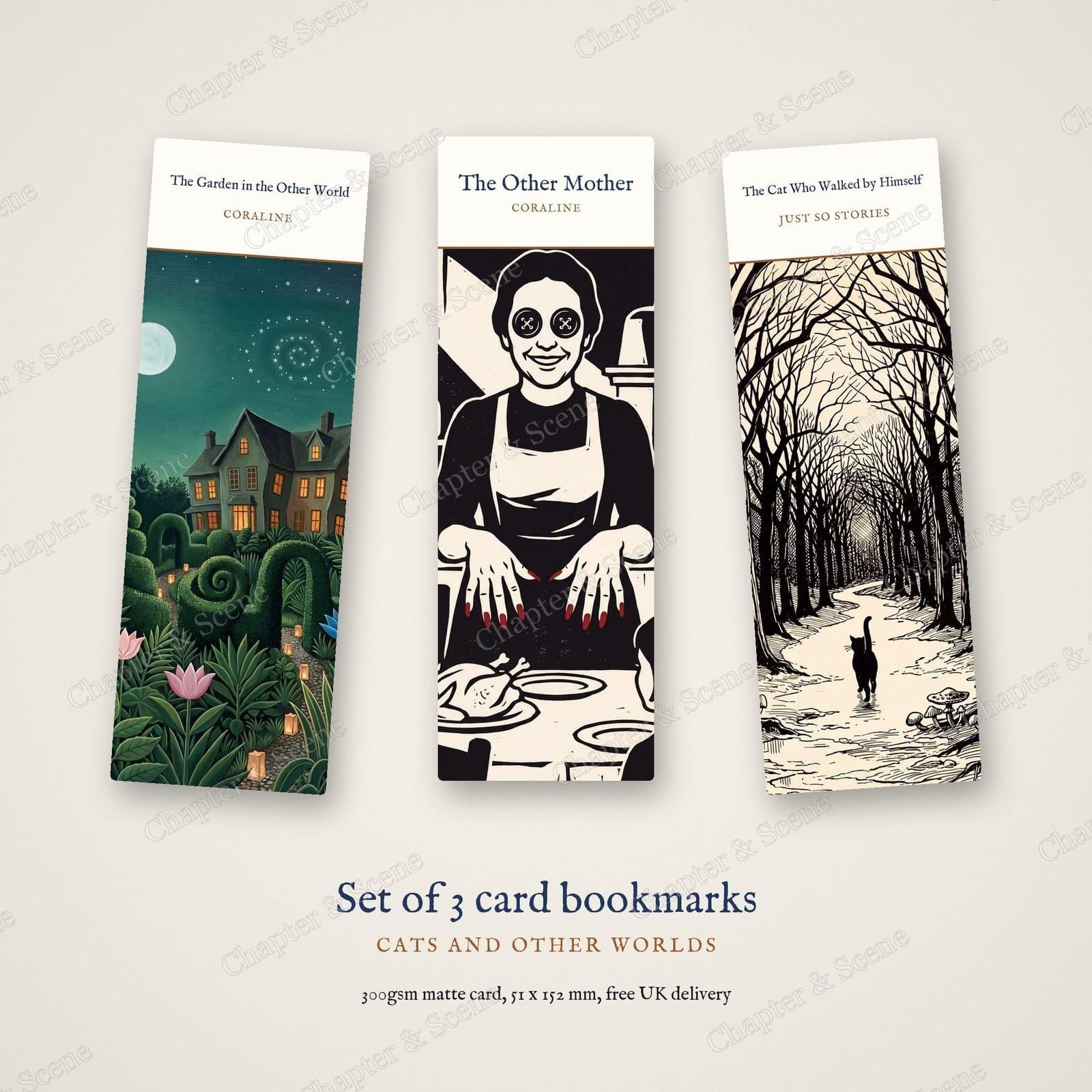
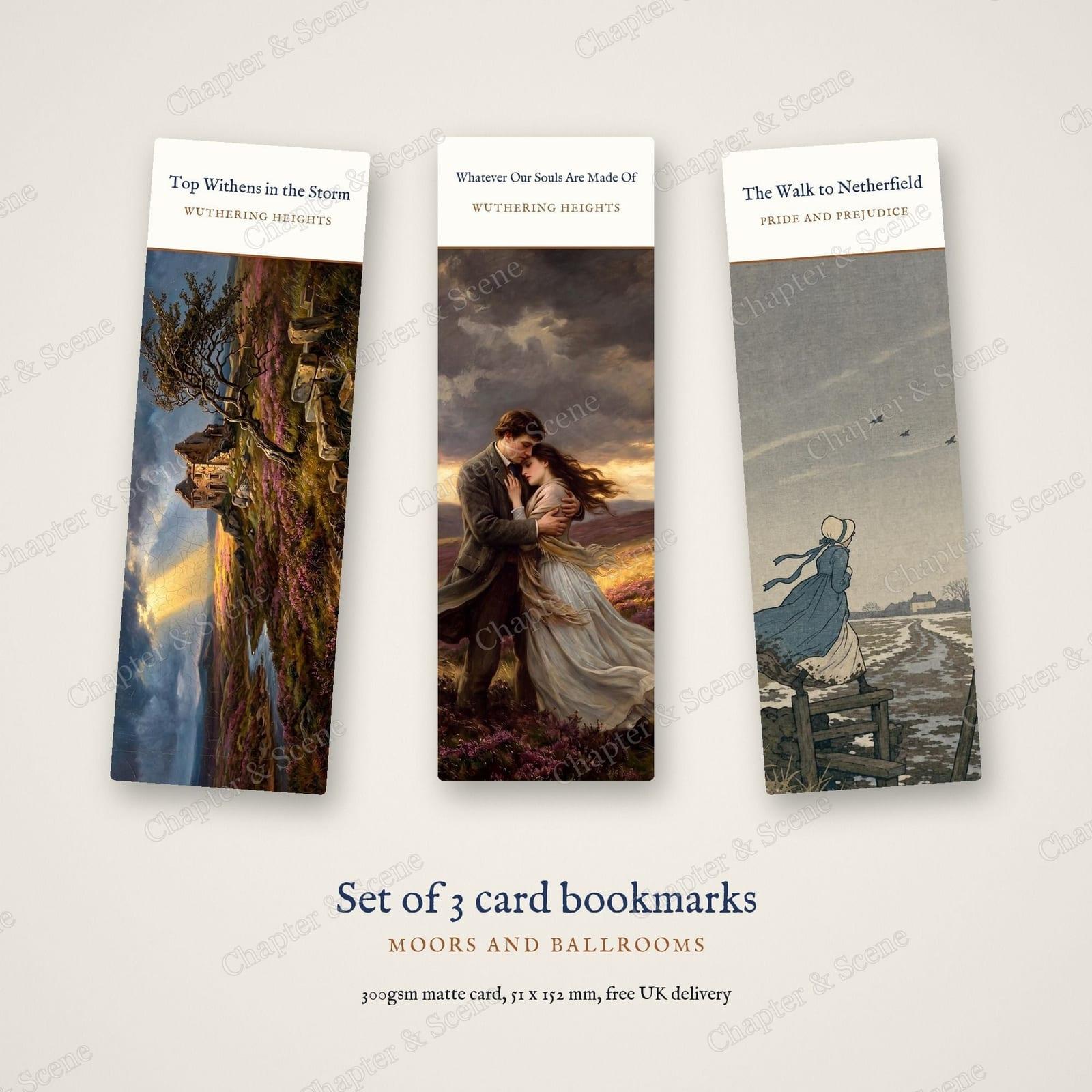
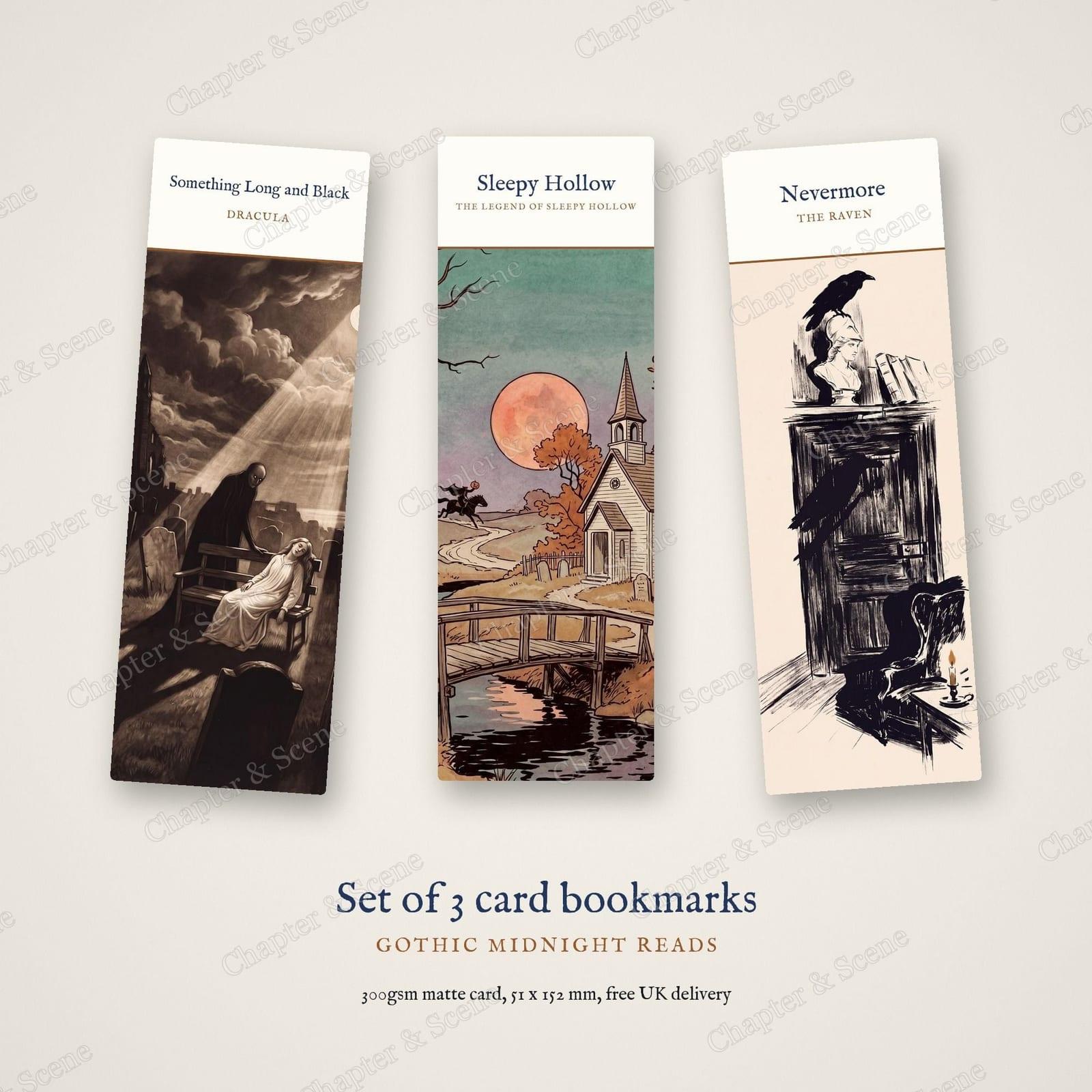
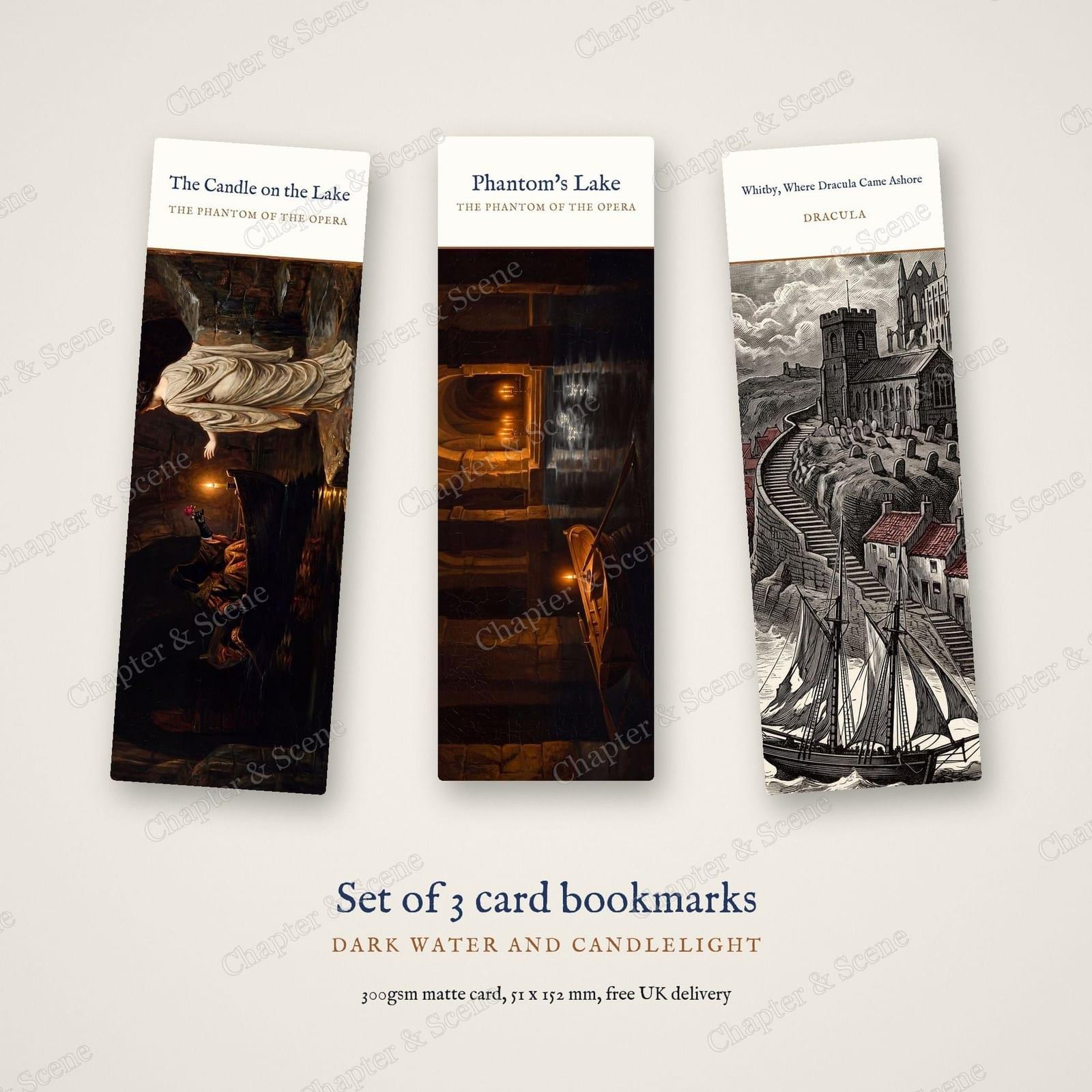
Sets of three card bookmarks with scenes from the stories, £9.99 a set.
See all the bookmark sets £9.99 a set of three, free UK delivery. Sets in stock go out in 3 to 5 working days; the rest are printed to order.
Gift ideas
Ideas for the reader or viewer in your life, from our own prints and bookmarks.
Gifts for book lovers : more gift ideas for every kind of reader, in the Book Hub.
Recommended
Coraline figures and mugs, Wuthering Heights bookmarks, a Phantom jigsaw and Dracula and Poe collectibles for the gothic reader.
Links open in a new tab and are paid links. As an Amazon Associate, Chapter & Scene earns from qualifying purchases. Bookshop.org links are affiliate links too: we earn a small commission, at no extra cost to you.
Worth following
Places we go for more on gothic and horror, and audiobooks to listen to. Tap a title, then a name, for a picture, a few words and a link. They are independent of us, and links open in a new tab.
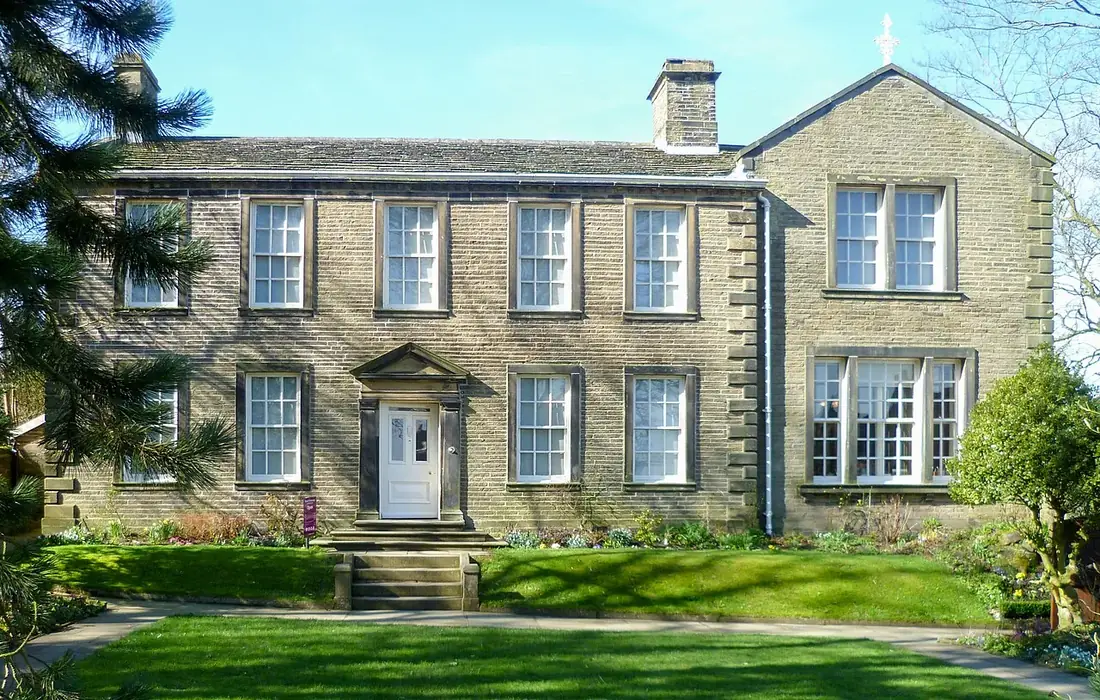
 Photo: DeFacto, CC BY-SA 4.0, via Wikimedia Commons
Museum
The museum describes itself as the home of the famous Bronte sisters. It is the house they grew up in, and the place to learn the story of the writers behind Wuthering Heights and Jane Eyre.
Open the Bronte Parsonage Museum ↗Opens in a new tab. Independent of Chapter & Scene.
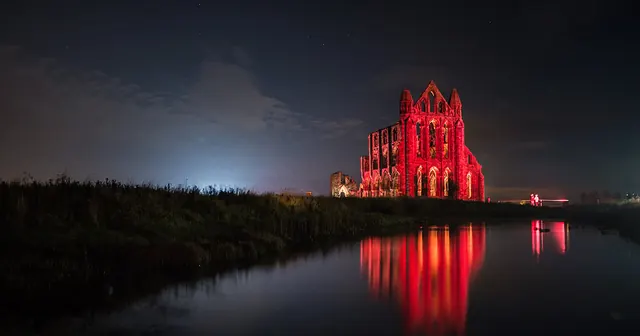
Heritage site
English Heritage's own page for the abbey, which it describes as haunting Gothic ruins high above Whitby. Check it before you plan a visit.
Open the Whitby Abbey page ↗Opens in a new tab. Independent of Chapter & Scene.
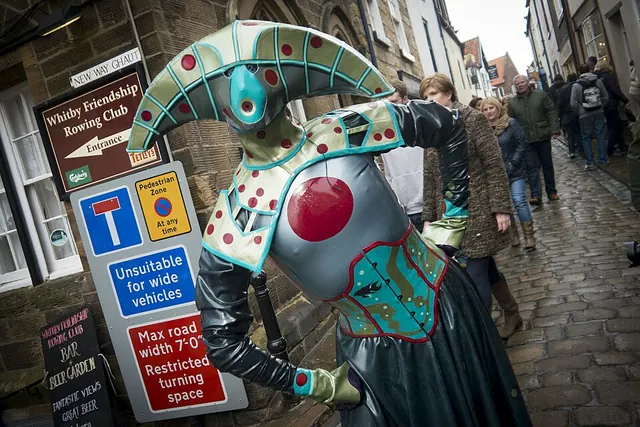 Photo: Bryan Ledgard, CC BY 2.0, via Wikimedia Commons
Festival
The festival says it is an alternative music festival, founded in 1994, that has grown into one of the world's premier goth events. Wikipedia adds that it is held twice a year.
Open the Whitby Goth Weekend site ↗Opens in a new tab. Independent of Chapter & Scene.
Newsletter
A Substack that emails you the classic novel Dracula in real time, as the events happen. A gentle way to read it slowly.
Open Dracula Daily ↗Opens in a new tab. Independent of Chapter & Scene.

Podcast
A books podcast presented by John Mitchinson and Andy Miller, good company for classic and older reads.
Open Backlisted ↗Opens in a new tab. Independent of Chapter & Scene.
Podcast
A horror fiction podcast. Its own page calls it the sound of horror.
Open PseudoPod ↗Opens in a new tab. Independent of Chapter & Scene.
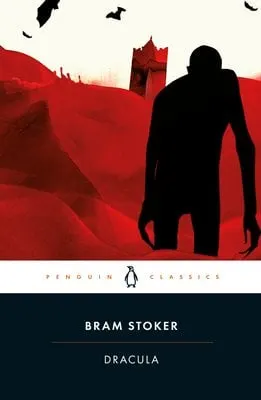
Free audiobook
A free recording by LibriVox volunteers, running 16 hours 31 minutes. LibriVox notes its recordings are public domain in the USA.
Open it on LibriVox ↗Opens in a new tab. Independent of Chapter & Scene.
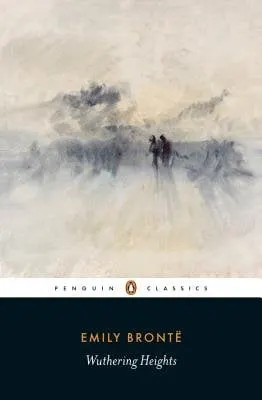
Free audiobook
A free recording by LibriVox volunteers, running 11 hours 33 minutes.
Open it on LibriVox ↗Opens in a new tab. Independent of Chapter & Scene.
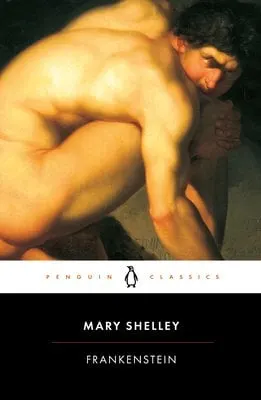
Free audiobook
A free recording of the 1818 text of Frankenstein read by Cori Samuel, running 7 hours 59 minutes.
Open it on LibriVox ↗Opens in a new tab. Independent of Chapter & Scene.
Questions
Horace Walpole's The Castle of Otranto, first published in 1764. Wikipedia says it is generally regarded as the first Gothic novel, and that a later edition added the subtitle A Gothic Story.
Gothic novels: where to start and 15 to read next ›
In part, yes. Wikipedia says the novel is influenced by Romanticism and Gothic fiction, and the critic Carol Margaret Davison has proposed reading it in the tradition of Female Gothic romances.
Wuthering Heights quotes, by chapter ›
Wikipedia describes Coraline as a 2002 British fantasy horror children's novella by Neil Gaiman. It was published by Bloomsbury and HarperCollins.
The 2003 Hugo Award and the 2003 Nebula Award for Best Novella, and the 2002 Bram Stoker Award for Best Work for Young Readers. The Guardian ranked it number 82 in its list of the 100 best books of the 21st century.
Not quite. Henry Selick's 2009 stop-motion film has several differences from the novella. One example is the Beldam turning the Other Father into a pumpkin.
Coraline's 15th anniversary re-release ›
It is loosely based on the 1847 novel. Writer and director Emerald Fennell has said she wanted to recreate the feeling of a teenage girl reading the book for the first time. It opened in the UK on 13 February 2026.
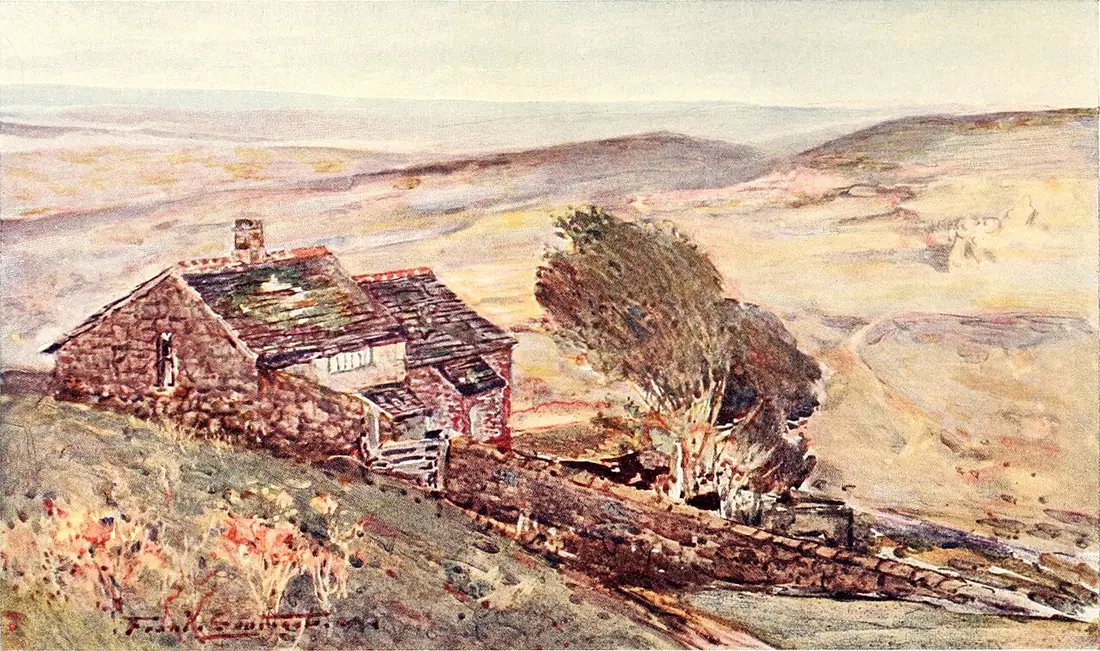
On the West Yorkshire moors, where two families, the Earnshaws and the Lintons, live in the houses of Wuthering Heights and Thrushcross Grange. Wikipedia says there is no evidence that either house is based on a real building. Top Withens, a ruined farmhouse near the Haworth parsonage, is often suggested for the first.
Bram Stoker did some of his research for the novel at a library in Whitby in the summer of 1890. In the book, Mina Murray holidays there with Lucy Westenra, and the Count arrives in England at the town.
Dracula in Whitby: the real places ›
A goth music festival in Whitby, North Yorkshire, held twice a year. It was founded in 1994 and grew out of a meeting of about forty pen-pals. Whitby was chosen for its Dracula connections.
Whitby Goth Weekend and Dracula ›
Partly. The novel is set in the real Palais Garnier in Paris and was inspired in part by historical events at the Paris Opera, including a fatal chandelier counterweight accident. The Phantom himself is fiction.
The West End production, filmed live at His Majesty's Theatre for its 40th anniversary, is due for an international cinema release in 2027. No exact date had been given on 20 November 2026.
The Phantom in cinemas in 2027 ›
In January 1845. It was first attributed to Edgar Allan Poe in print in the New York Evening Mirror on 29 January 1845.
Irving's story is set around 1790 near Tarrytown in New York, in a secluded valley known as Sleepy Hollow. He wrote it while living in Birmingham, England.
Erik, a deformed stage magician and ventriloquist who built his secret lair while working on the opera house foundations. He is also called the Angel of Music and the Opera Ghost. The novel also has the Persian and Raoul's brother Philippe, who are not in the musical's main story.
The Phantom of the Opera: the novel and the musical compared ›
Heathcliff, Catherine Earnshaw, Edgar Linton, Isabella Linton, Hindley Earnshaw and Nelly Dean, then the second generation: Hareton, Cathy Linton and Linton Heathcliff. Mr Lockwood and Nelly tell the story.
Wuthering Heights characters: who's who ›
A waymarked footpath of 43 miles (69 km) from Oakwell Hall in Birstall, West Yorkshire, to Gawthorpe Hall in Padiham, Lancashire. Literary walkers often join it at Haworth to reach Top Withens.
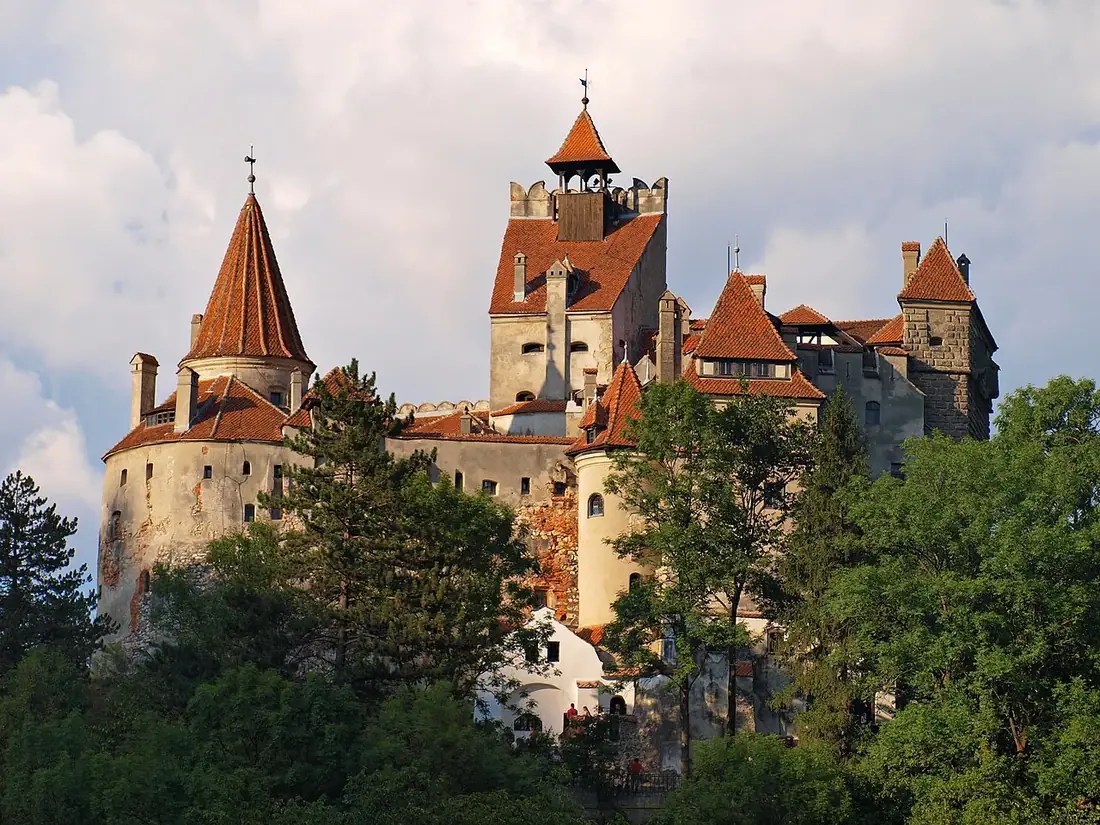
Bran Castle is marketed as Dracula's Castle, but there is no evidence that Stoker knew anything about it, and it is not in the novel. Its only established link to Vlad III is that he passed through the Bran Gorge several times.
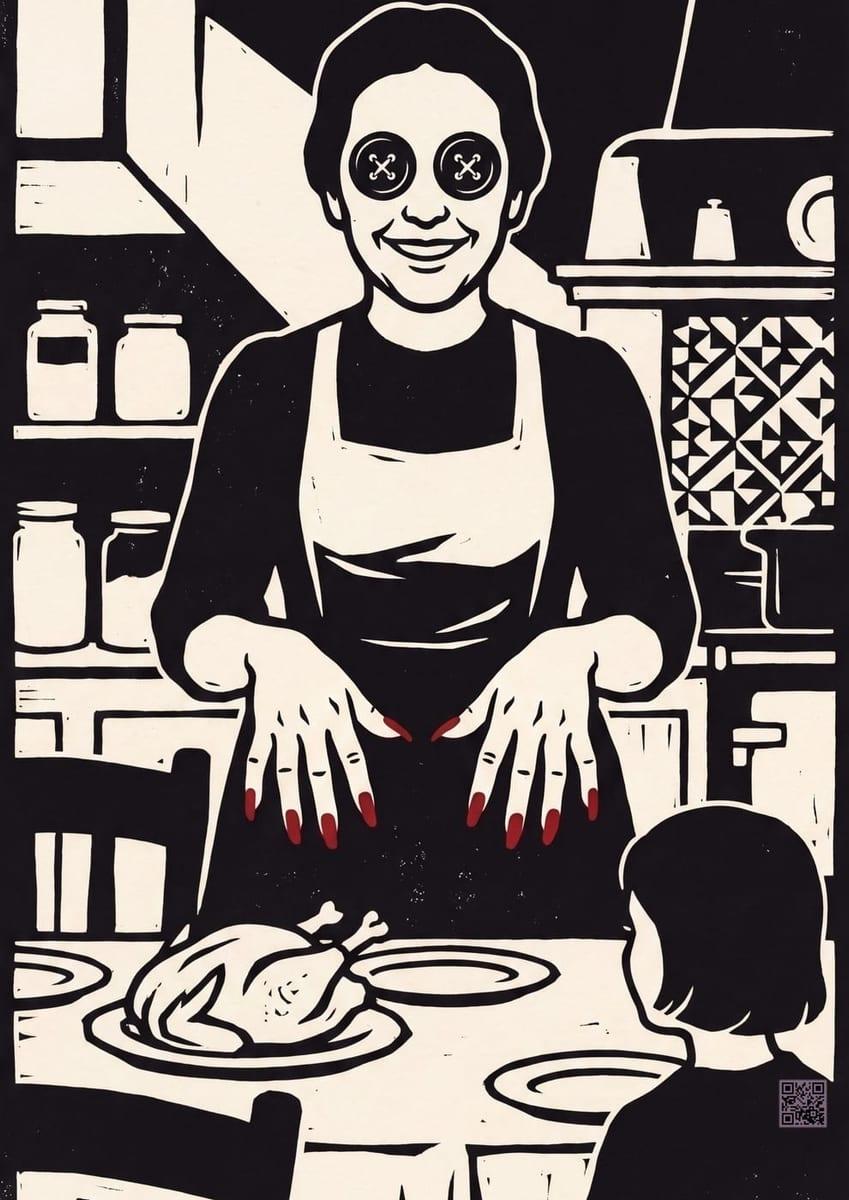
A button-eyed double of Coraline's mother who lives in the Other World, offering to let Coraline stay for ever if buttons are sewn over her eyes. She is in truth an evil being known as the Beldam.
Coraline: the Other Mother and the book ›
Anonymously on 1 January 1818, when Mary Shelley was 20. Her name first appeared in a French translation in 1821, and the second English edition of 1823 was the first to name her.
If you like short and strange, start with Coraline. If you want moors and passion, Wuthering Heights. For atmosphere on a Yorkshire coast, Dracula. Our list runs through eleven gothic reads with covers.
11 gothic novels to read this Halloween ›
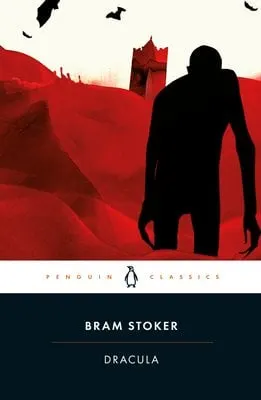 Gothic novels: where to start and 15 to read nextRead the guide ›The real Whitby behind Dracula: a walk through Stoker's placesRead the guide ›
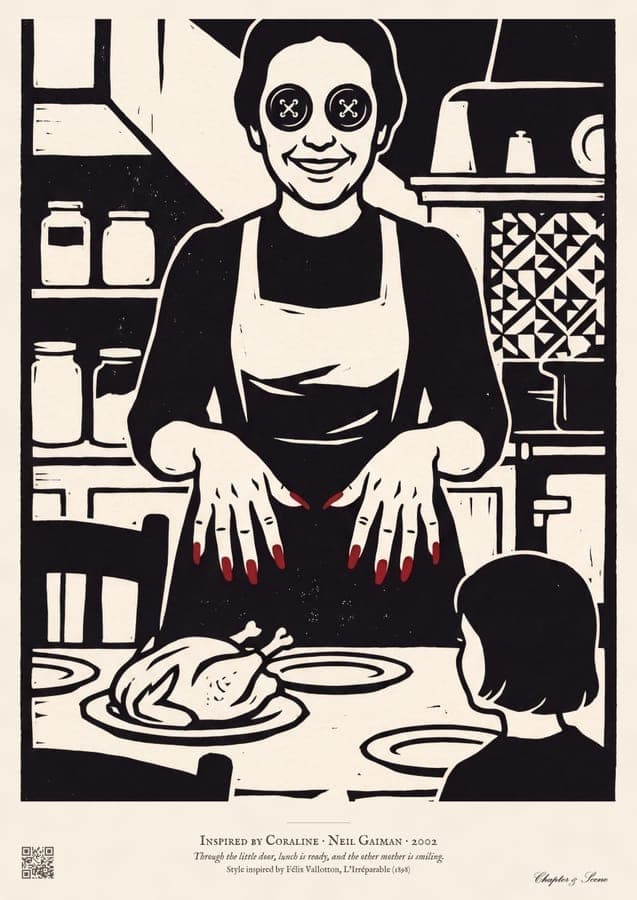 Coraline: the Other Mother, the book and Dave McKean's artRead the guide ›Wuthering Heights country: Top Withens, Haworth and the moorsRead the guide ›Wuthering Heights quotes, by chapter, and what they meanRead the guide ›The Palais Garnier and the real Phantom storiesRead the guide ›
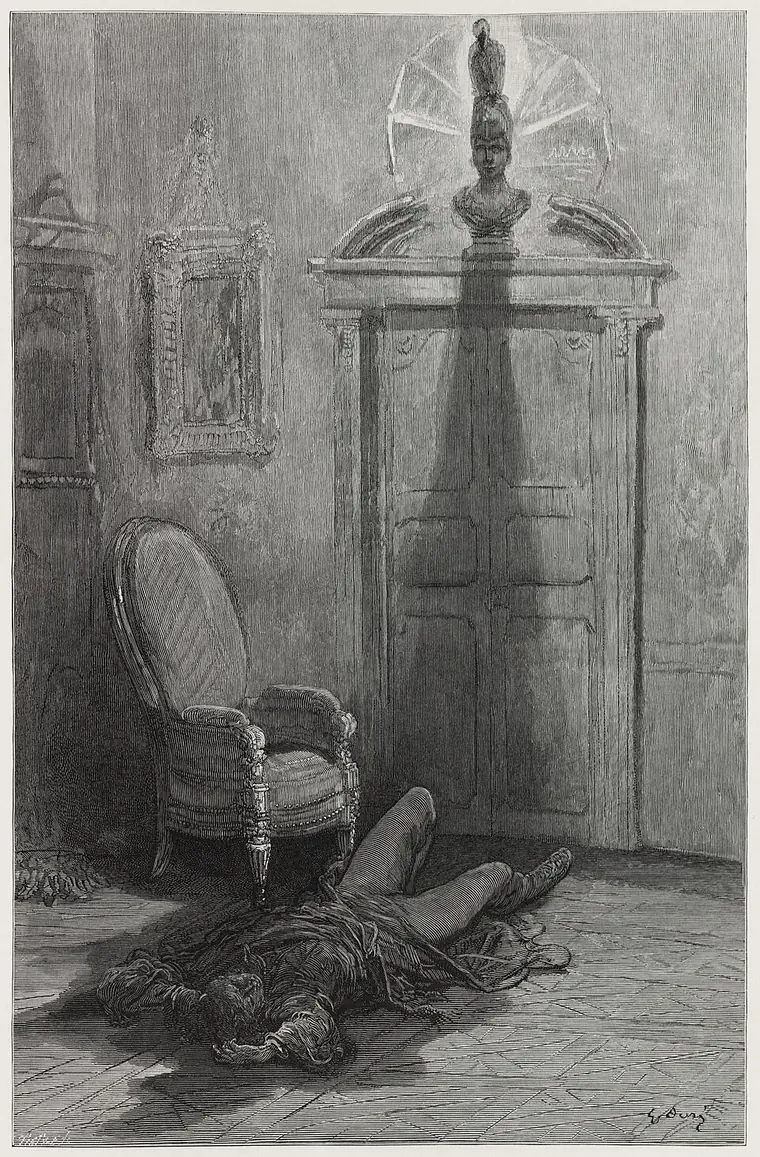 The Raven by Edgar Allan Poe, line by lineRead the guide ›Villa Diodati, 1816: where Frankenstein beganRead the guide ›Wuthering Heights characters: who's who and how they are relatedRead the guide ›The Phantom of the Opera: the novel and the musical comparedRead the guide ›Is Dracula's castle real? Bran, Poenari and Vlad the ImpalerRead the guide ›Children's classics: strange doors, from Alice to CoralineRead the guide ›Gifts for book loversRead the guide ›Coraline: the Other Mother, the book and Dave McKean's artWho is the Other Mother, what is behind the door, and who drew the book? Here is Coraline as a book first, with its awards, Dave McKean's art, the film and the 25th anniversary on 2 July 2027.Read the post ›Wuthering Heights country: Top Withens, Haworth and the moorsThe moors above Haworth shaped Wuthering Heights, even if no building matches the book. Here is where Top Withens is, how people walk there, Ponden Hall, the Bronte Parsonage and the places used for the 2026 film.Read the post ›Wuthering Heights quotes, by chapter, and what they meanNineteen lines from Wuthering Heights, each checked against the 1847 first-edition text, with who says it, the chapter it comes from and a line on what it means.Read the post ›Wuthering Heights characters: who's who and how they are relatedTwo families, two houses and a lot of people with the same names. Here is who is who in Wuthering Heights, who tells the story, and how everyone is related, with spoiler warnings where they matter.Read the post ›Wuthering Heights: the 2026 film and the novel behind itEmerald Fennell's film opened in UK cinemas on 13 February 2026 and went on to take $242 million. Here is the cast, how it relates to Emily Bronte's novel, where to watch it and the moors that inspired the book.Read the post ›The Raven by Edgar Allan Poe: the poem, line by lineThe full text of Poe's The Raven in its 1845 form, with a short note on each of its 18 stanzas, and the facts behind the poem: when it appeared, what inspired it and how Poe said he wrote it.Read the post ›Gothic novels: where to start and 15 to read nextWhere should you start with gothic novels, and which one was first? Here is a starter set of three, then 15 more to read next in the order they were published, from The Castle of Otranto in 1764 to Coraline in 2002.Read the post ›The Phantom of the Opera: the novel and the musical comparedGaston Leroux's 1910 novel is a very different book from the musical most people know. Here is what changed, from the Persian to the ending, with the dates behind both.Read the post ›The Phantom of the Opera is coming to cinemas in 2027The West End production is being filmed live at His Majesty's Theatre for an international cinema release in 2027. Here is the cast, what we know and the 1910 novel and real opera house behind it.Read the post ›Bronte Parsonage exhibitions: last weeks of 2026The Bronte Parsonage Museum in Haworth has five exhibitions running into the new year, including a display about Wuthering Heights. Here are the dates, as listed on the museum's own page on 20 November 2026.Read the post ›Gothic anniversaries in 20272027 has round numbers for Dracula, Coraline, Frankenstein's author and Bram Stoker. Here are the dates, which of them are reported rather than confirmed, and the events we could and could not find.Read the post ›New and special gothic editions in 2026Gothic classics keep getting new editions. Here are the dated ones we could confirm from publishers' own pages, and the ones that are only reported, with the details each source gave.Read the post ›Coraline returned to cinemas for its 15th anniversaryLAIKA's 2009 film came back to cinemas in 2024 and, by the studio's own count, took more than $53 million worldwide. Here is what happened, how the film compares with the book, and where to go next.Read the post ›Coraline gifts for fans of the bookA good Coraline gift is something a little eerie that still looks lovely on a wall: a print of the Other Mother at her table, or the garden in the other world, each in a Victorian printmaking style.Read the post ›The real Whitby behind Dracula: a walk through Stoker's placesBram Stoker spent a holiday in Whitby in 1890, and the town gave him the name, the shipwreck, the steps and the churchyard. Here is a place-by-place walk, with what English Heritage says he found at each stop.Read the post ›Is Dracula's castle real?Bran Castle is sold as Dracula's castle, but the record is more careful than the brochures. Here is what links Bran, Poenari and Vlad the Impaler to Bram Stoker's novel, and what does not.Read the post ›The Palais Garnier and the real Phantom storiesThe Phantom of the Opera is set in a real building: the Palais Garnier in Paris. Here are the real chandelier accident, the cistern under the stage and the road from a newspaper serial to the West End.Read the post ›Villa Diodati, 1816: where Frankenstein beganLord Byron rented a villa by Lake Geneva in 1816, the rain kept his guests indoors and a ghost-story contest began. Here is how it gave us Frankenstein and the first Romantic vampire.Read the post ›Poe's Baltimore: the house, the grave and the mysteryEdgar Allan Poe was born in Boston but his story ends in Baltimore. Here is the house he lived in, the grave he lies in, and the mystery visitor who left cognac and roses there for decades.Read the post ›Whitby Goth Weekend 2027: dates and what to read before you goThe Whitby Goth Weekend is held twice a year, and the 2027 dates are 30 April to 2 May and 29 to 31 October. If you are going, or just reading Dracula, here are the places to find.Read the post ›Gothic home decor that stays up all year: a gallery wall guideMost Halloween decorations come down on the first of November. A gothic gallery wall doesn't have to. Choose dark, atmospheric pictures instead of pumpkins, and the wall that looks right on Halloween night will still look right in March.Read the post ›Halloween quotes from classic gothic novelsLooking for a Halloween caption, a line for a card or something to write in a bookmark? These come straight from the classic gothic novels, word for word, with where to find them.Read the post ›Boo basket ideas for book loversA boo basket is a little Halloween gift basket of treats for someone you love, the spooky cousin of an Easter basket. For a reader, the best ones are built around a book, and these book boo basket ideas show how I would fill one.Read the post ›
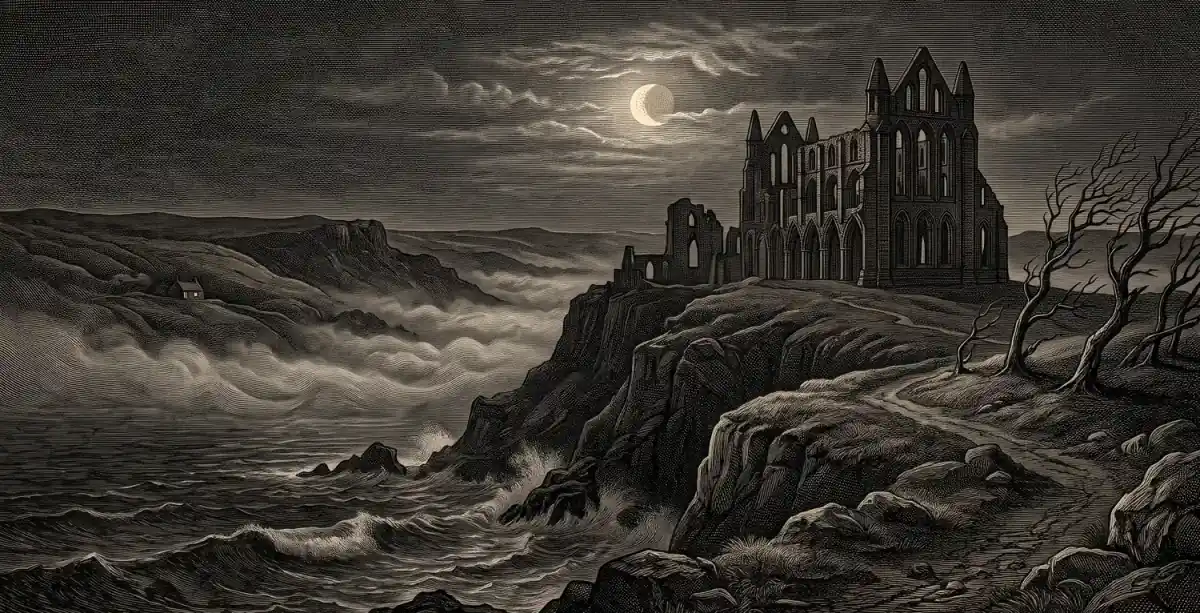 Christmas ghost stories: why the Victorians told themToday we do ghosts at Halloween and carols at Christmas. For the Victorians, Christmas was the ghost season. Here is why a good fright and a warm fire belonged together.Read the post ›
Everything on this page was read on 20 November 2026 and written up in our own words. Where sources disagree we say so or leave the detail out.