Wuthering Heights summary: the plot, the ending explained and the themes
Part of the Gothic and horror fan hub: prints, bookmarks, gifts and guides in one place.
Spoiler warning: this page explains the whole plot, including the ending. If you have not read the book yet, stop after the 'Who wrote it' section and come back when you are done.
Who wrote Wuthering Heights, and when?
Emily Bronte was born on 30 July 1818 in Thornton, Yorkshire, and died on 19 December 1848 at Haworth, aged 30 (Wikipedia). In 1846 she and her sisters paid for a book of poems under the names Currer, Ellis and Acton Bell, and Emily, as Ellis, contributed 21 of them. Wuthering Heights was her only novel.
It was published by Thomas Cautley Newby in London. The first two volumes of a three-volume set held Wuthering Heights, and the third held her sister Anne's Agnes Grey. Charlotte's Jane Eyre had come out earlier, in October 1847. Wikipedia's page on the novel gives the publication date as 24 November 1847, but other sources say December 1847, so the exact day is not settled (Wikipedia, Wuthering Heights site). Because of the pen name, many early reviewers assumed the author was a man.
After Emily's death Charlotte prepared a second edition in 1850. She added a foreword, tidied the spelling and punctuation, renumbered the chapters from 1 to 34 and toned down the Yorkshire speech of the servant Joseph (Wikipedia).
Why does the story have two narrators?
The book is a story inside a story. In 1801 a gentleman called Lockwood rents Thrushcross Grange to get away from society. He visits his landlord, Heathcliff, at Wuthering Heights, gets snowed in, reads the old diary of a girl called Catherine Earnshaw and has a terrifying dream of a ghostly child at the window. He narrates the opening chapters, up to chapter 4.
While he recovers from his illness, his housekeeper Nelly Dean tells him what happened at the two houses about thirty years earlier. She has served three generations of Earnshaws and two of the Lintons, and she is the foster-sister of Hindley Earnshaw. Her account makes up most of the book (Wikipedia).
This matters because neither teller is neutral. Lockwood is a would-be romantic who comes across as a snob, and critics have argued about how far Nelly can be trusted. In a 1958 essay, James Hafley went so far as to name her the novel's true villain, because she shapes events by choosing what to say and what to hide. Encyclopedia.com compares the layers of narration to Chinese boxes (Encyclopedia.com).
What happens in Wuthering Heights?
Here is the plot in five stages, in the order Nelly tells it.
Stage 1: The Earnshaws and Heathcliff
Mr Earnshaw comes home from Liverpool with an orphan boy and names him Heathcliff. He favours the newcomer over his own children, Hindley and Catherine. Hindley beats Heathcliff, while Heathcliff and Catherine become inseparable. When Mr Earnshaw dies, Hindley returns from university as master of Wuthering Heights with his wife Frances and turns Heathcliff into a servant. Frances dies after giving birth to a son, Hareton.
Stage 2: Catherine and Edgar
Heathcliff and Catherine creep up to the Lintons' house, Thrushcross Grange, to watch the family inside. Catherine is bitten by a dog and stays at the Grange, where she is drawn to the comfort and manners of the Lintons. In time she accepts a proposal from Edgar Linton. She tells Nelly she loves Heathcliff but that marrying him would lower her. Heathcliff overhears only part of this, misunderstands and runs away.
Stage 3: Heathcliff's return and revenge
Three years later Heathcliff comes back wealthy and polished, and he sets about ruining the people who wronged him. He feeds Hindley's gambling until he becomes the owner of the mortgage on Wuthering Heights. He tricks Edgar's sister Isabella into eloping with him. Catherine, torn between her husband and Heathcliff, refuses food for three days, then dies shortly after giving birth to a daughter, also called Cathy. Heathcliff begs her ghost to haunt him.
Stage 4: The second generation
Isabella escapes to the south and has Heathcliff's son, Linton. Hindley dies, worn out by drink, and although Hareton should inherit Wuthering Heights, Heathcliff takes it. Twelve years on, Heathcliff gets Linton to the Heights and schemes to marry him to young Cathy, so that he controls her inheritance. After Edgar's death the young couple move to Wuthering Heights. Heathcliff, wilder than ever, admits he has opened Catherine's grave twice. Linton dies and Cathy is left there, treated cruelly by Heathcliff, with Hareton in the house as a servant (Wikipedia).
Stage 5: The end
Lockwood leaves and returns eight months later to pay his rent. Nelly, now housekeeper at Wuthering Heights, brings him up to date. Cathy has made peace with Hareton and is teaching him to read, and they have fallen in love. Heathcliff has grown weaker and distant, fixed on the dead Catherine. The next section explains how it all closes.
How does Wuthering Heights end?
Heathcliff stops eating and is found dead in Catherine's old room. He is buried next to her. Hareton takes back Wuthering Heights, and he and Cathy plan to marry and live at the Grange, which now belongs to her outright.
The last scene is Lockwood's. He hears local people say they have seen the ghosts of Catherine and Heathcliff together on the moors, then visits the three graves of Catherine, Edgar and Heathcliff side by side, and is convinced that all three are at peace (Wikipedia).
How you read that ending is up to you. Some readers see the two ghosts as the lovers reunited at last. Others focus on Cathy and Hareton, whose marriage ends the cycle of cruelty and brings the two houses together. The Oxford Companion, as quoted on Wikipedia, sees the ending as uniting the two worlds the houses stand for.
Who is who in Wuthering Heights?
Many of the names repeat, so a quick guide helps. For the full list and the family tree, see Wuthering Heights characters: who's who.
| Character | Who they are |
|---|---|
| Heathcliff | An orphan brought from Liverpool to Wuthering Heights by Mr Earnshaw |
| Catherine Earnshaw | Mr Earnshaw's daughter, who loves Heathcliff and marries Edgar |
| Hindley Earnshaw | Catherine's older brother, who bullies Heathcliff |
| Edgar Linton | Of Thrushcross Grange, who marries Catherine |
| Isabella Linton | Edgar's sister, who elopes with Heathcliff |
| Nelly Dean | The housekeeper and main narrator |
| Mr Lockwood | The tenant of the Grange and first narrator |
| Cathy Linton | The daughter of Catherine and Edgar |
| Hareton Earnshaw | Hindley's son, treated as a servant by Heathcliff |
| Linton Heathcliff | The son of Heathcliff and Isabella |
What are the main themes?
Class and money
Property and rank decide almost everything. Catherine marries Edgar because of his status, and Heathcliff, once he is rich, turns his enemies' own weapons on them: money and arranged marriages. Critics have read the book as a picture of England's class system. Arnold Kettle sees a symbolic account of it, and Terry Eagleton's 1975 book Myths of Power looks at the clash between the landed gentry and the industrial middle class (Wikipedia).
Revenge
Heathcliff's revenge on Hindley and Edgar drives the second half of the book, and it spreads to their children. Encyclopedia.com lists violence and cruelty, emotional and physical, as a theme in its own right (Encyclopedia.com).
Nature against culture
The two houses stand for two ways of living. Wuthering Heights is exposed, stormy and wild, while Thrushcross Grange is sheltered, calm and genteel. Gilbert and Gubar read Catherine as a child of nature who falls into culture when she marries Edgar. Others see the ending as a blend of the two, with Cathy and Hareton moving to the Grange together (Wikipedia).
The supernatural
The story opens with Lockwood's nightmare of a ghost at the window and closes with the reported ghosts on the moors. Heathcliff, too, is at one point suspected of being a vampire, and some critics read both him and Catherine as vampire-like (Wikipedia). That is why the book sits comfortably on a gothic reading list.
Is Wuthering Heights a love story?
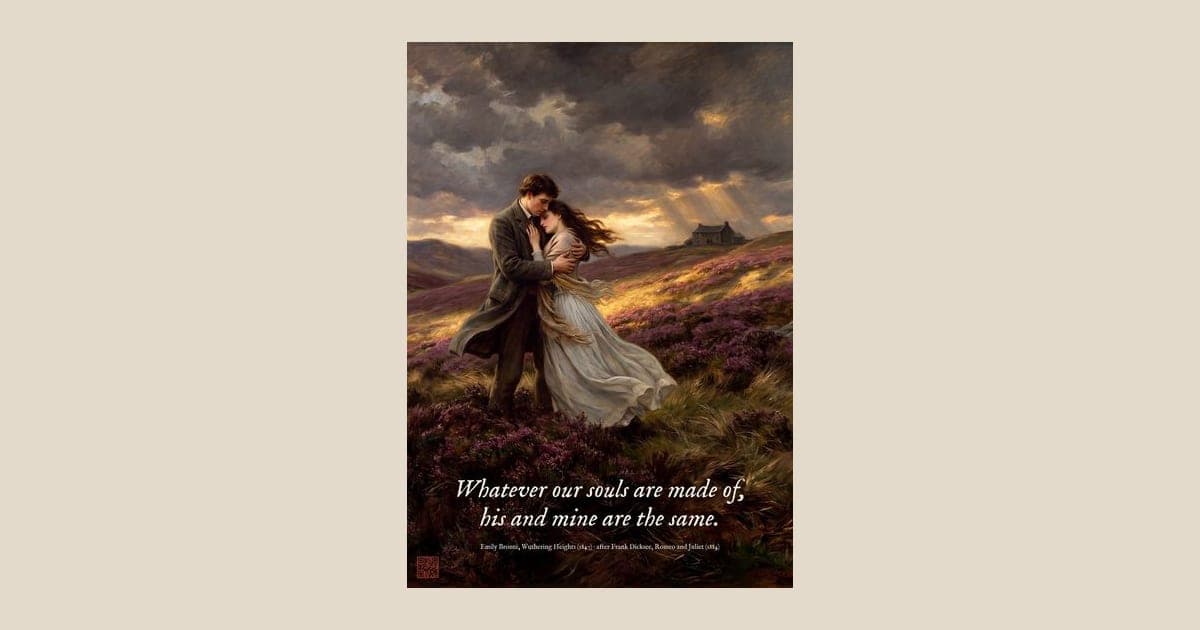
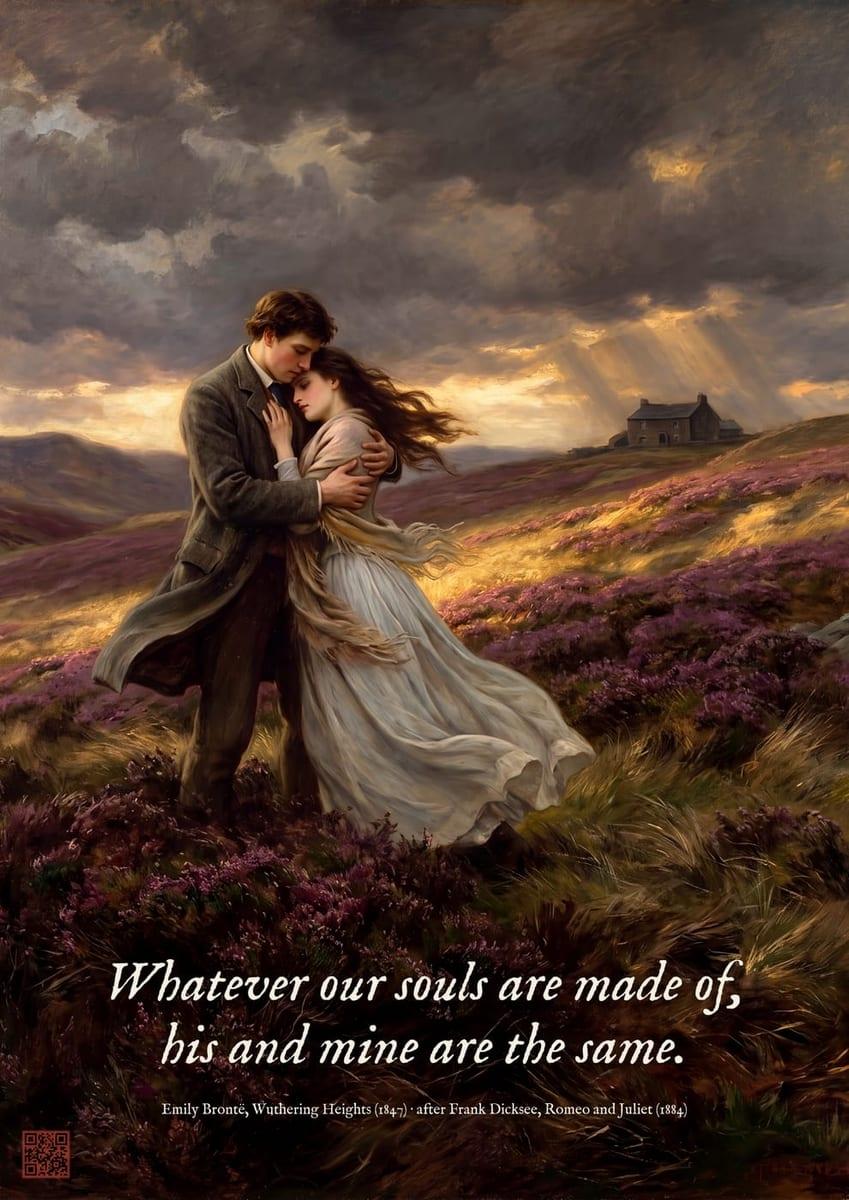
It depends on who you ask. A 2007 British poll named it the greatest love story of all time, and the critic Helen Small calls it both one of the greatest love stories in English and one of the most brutal revenge narratives. Other critics argue that calling it a love story excuses cruel behaviour, and read it as a study of evil and abuse instead (Wikipedia). The bond between Catherine and Heathcliff is closer to a shared identity than a courtship, and Catherine says as much in her famous line to Nelly about their souls.
You can read that line and eighteen others in Wuthering Heights quotes, by chapter, and what they mean.
How did Victorian readers react?
The first reviews were mixed, and most critics were baffled. Many saw power in the book but disliked the harshness and selfishness of the people in it. The table below sets out some of the early verdicts.
| Publication | Date | The verdict, in short |
|---|---|---|
| Spectator | 18 December 1847 | Found the incidents too coarse and disagreeable to appeal |
| Athenaeum (H F Chorley) | 25 December 1847 | Called it a disagreeable story |
| Examiner | 8 January 1848 | Thought it wild, confused and improbable |
| Douglas Jerrold's Weekly | 15 January 1848 | Said it defied the usual rules of criticism |
| Atlas | 22 January 1848 | A strange, clumsy story, though with a rough power |
| Morning Post | 3 February 1848 | Praised it as a work of great ability |
| Paterson's Magazine (US) | March 1848 | Told readers to burn it |
Even so, it had admirers. Dante Gabriel Rossetti, in an 1854 letter, called it the first novel he had read for an age, but also 'a fiend of a book'. The 1850 edition with Charlotte's foreword was received more kindly (Encyclopedia.com).
For decades, Jane Eyre was seen as the better of the sisters' novels. That began to change in the 1880s, helped by an 1883 biography of Emily by A. Mary F. Robinson and an 1883 essay by Algernon Charles Swinburne. Virginia Woolf praised the book's greatness in 1925, and a 1926 study by Charles Percy Sanger is described as a turning point after which it was widely treated as a work of genius (Wikipedia, Encyclopedia.com).
What are the two houses, and where is the story set?
The setting is the Pennine moorland of West Yorkshire. In the book, 'wuthering' is a local word for the stormy weather that batters the house. The two houses are set against each other throughout.
| Wuthering Heights | Thrushcross Grange | |
|---|---|---|
| Who lives there | The Earnshaws, and later Heathcliff | The Lintons |
| Where it stands | High on the exposed moor | In a sheltered valley below, in a walled park |
| Mood | Stormy and wild | Calm and genteel |
| Kind of house | An old upland farm, dated before 1500 by the lintel | A gentry house |
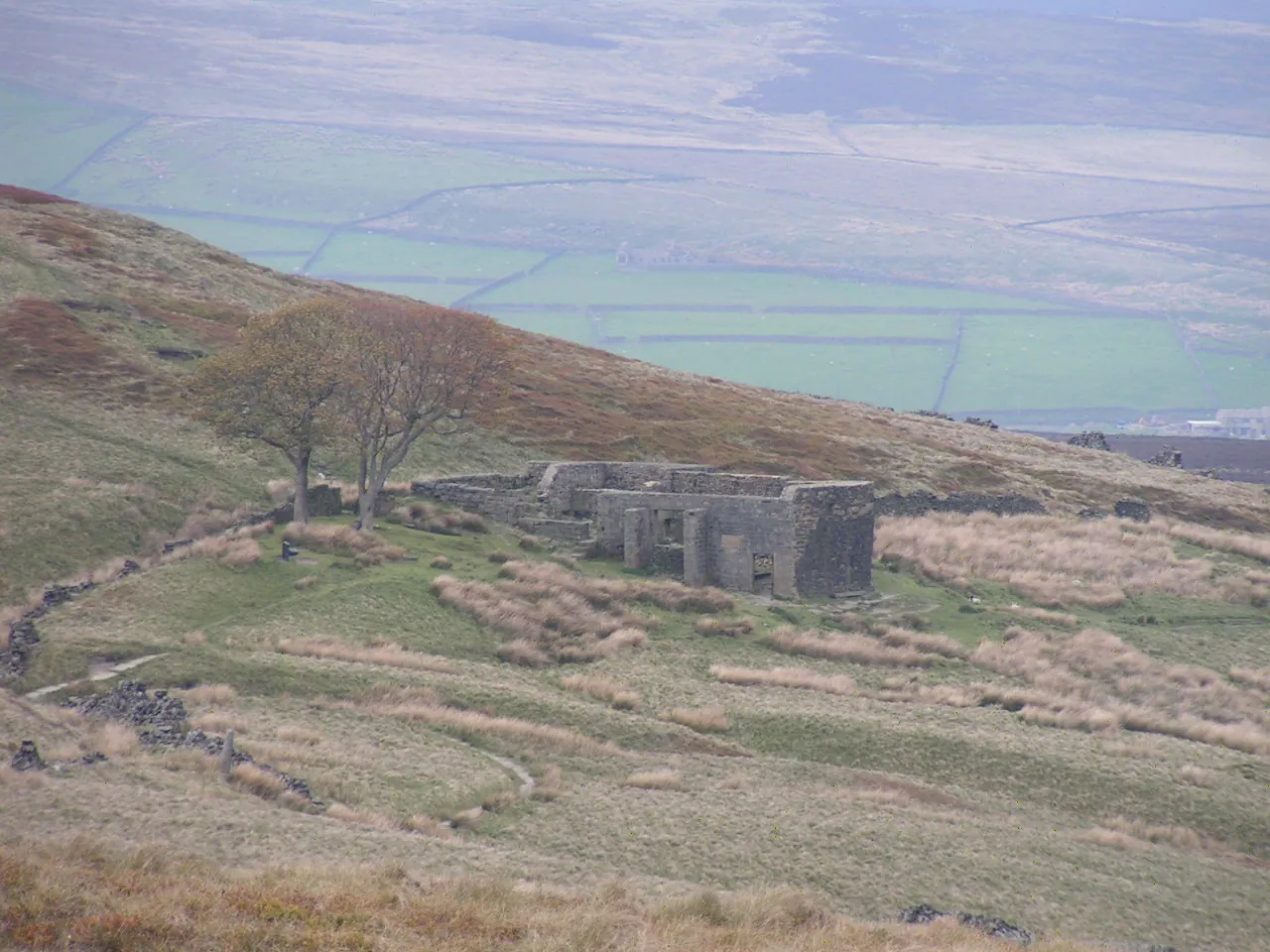
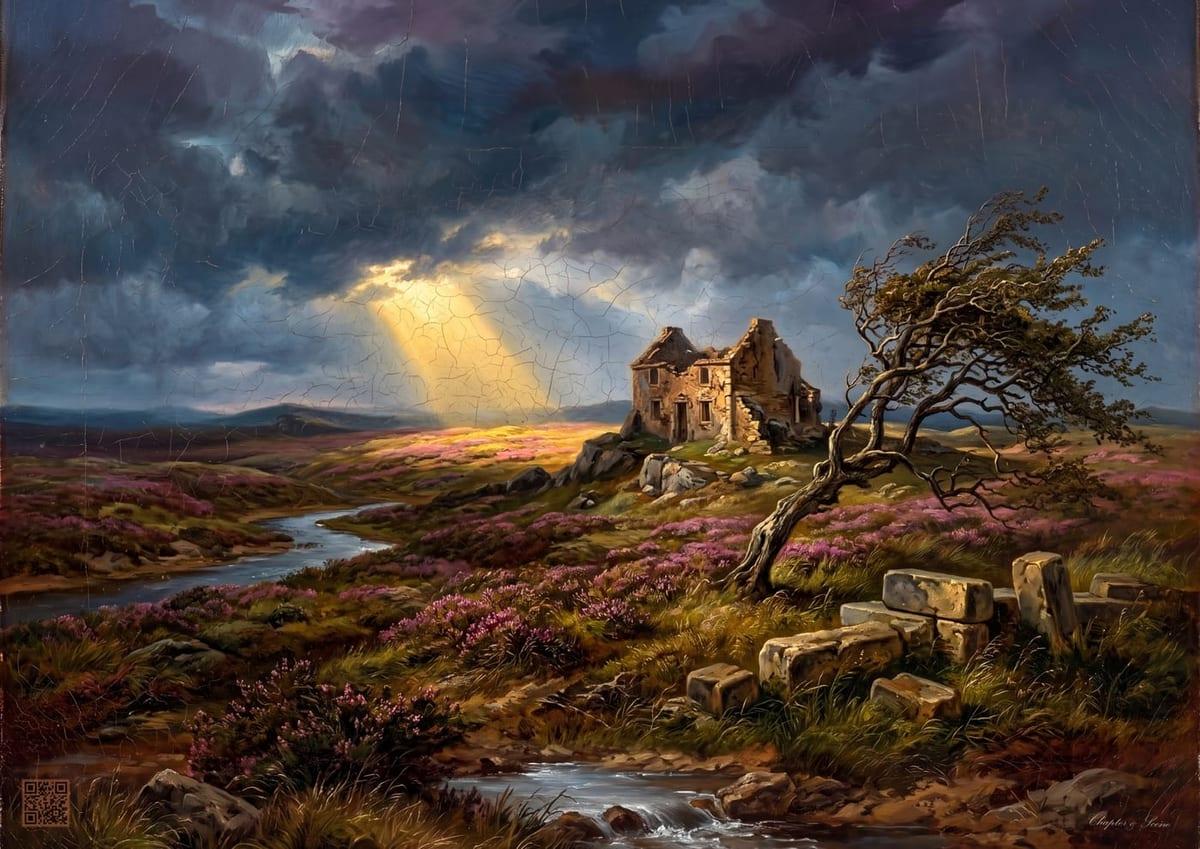
No real house is confirmed as the original of either one. Top Withens, a ruined farmhouse above Haworth, was suggested by Ellen Nussey, a friend of Charlotte, but it does not match the book. Ponden Hall is linked to the Grange in tradition, but that does not fit the description either. You can find the walking route and the full story in Wuthering Heights country: Top Withens, Haworth and the moors.
Has Wuthering Heights been adapted?
Yes, for film, television and the stage. The most recent big-screen version is a 2026 film directed by Emerald Fennell, which opened in UK cinemas on 13 February 2026. Wikipedia describes it as loosely based on the novel rather than a faithful retelling (Wikipedia).
Where next?
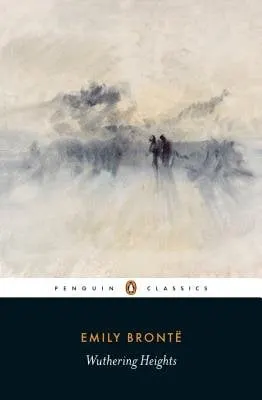
To read the novel itself, a paperback is a good place to start.
Read it: buy at Amazon: Wuthering Heights
Sources (5)
All read on 22 November 2026 and written up here in our own words.
- Wikipedia: Wuthering Heights, for the publication, plot, narrators, themes, setting and reception.
- Wikipedia: Emily Bronte, for her dates, the 1846 poems and the 1847 publication.
- Encyclopedia.com: Wuthering Heights, for the plot stages, themes, narrative structure and the 1850 edition.
- Contemporary Reviews of Wuthering Heights, for the dates and verdicts of the early reviews.
- Wikipedia: Wuthering Heights (2026 film), for the film's UK release date and director.
As an Amazon Associate, Chapter & Scene earns from qualifying purchases.
Worth following
More gothic and horror, from places we like. Pick a tab, then swipe.
Where the stories happened, and where fans gather
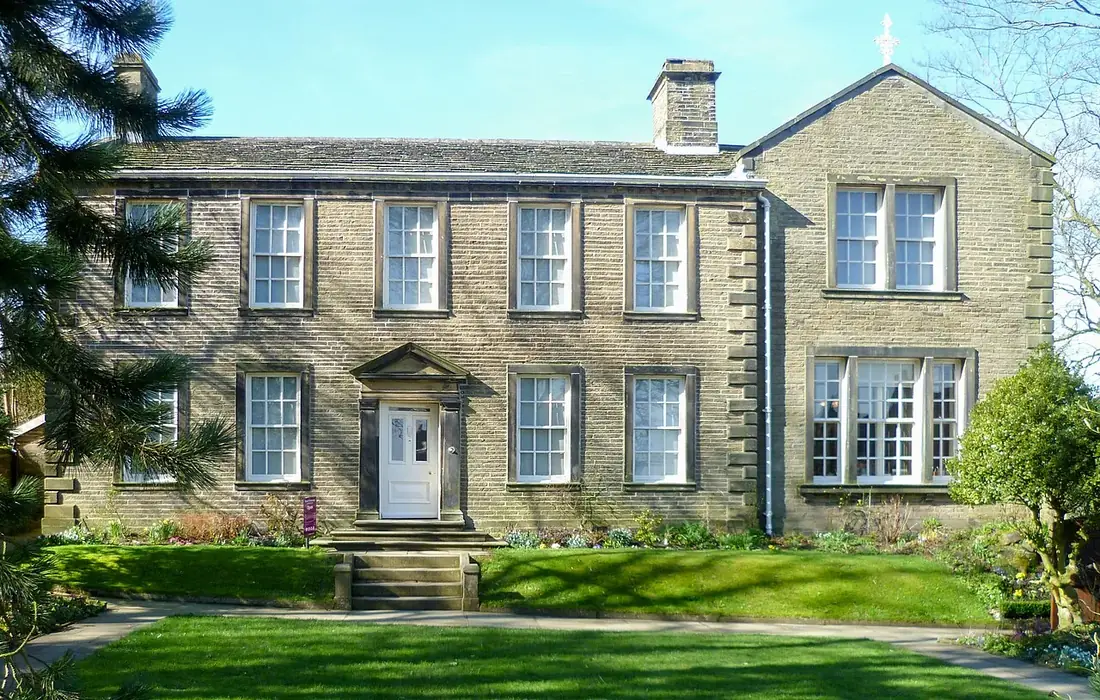
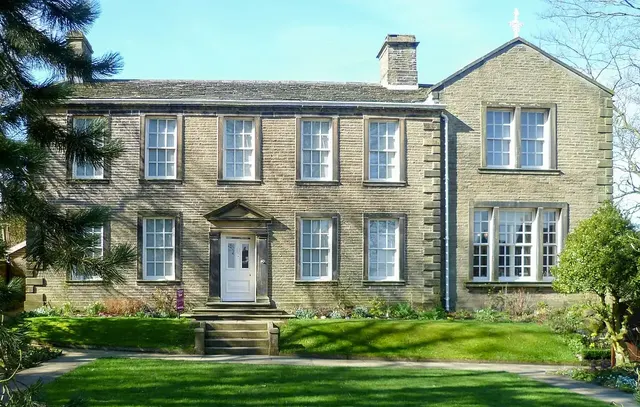 Bronte Parsonage MuseumMuseumThe Haworth home of the Bronte sistersOpen the Bronte Parsonage Museum
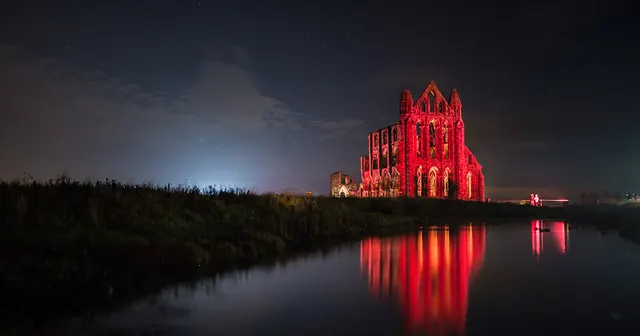 Whitby Abbey (English Heritage)Heritage siteHaunting Gothic ruins above WhitbyOpen the Whitby Abbey page
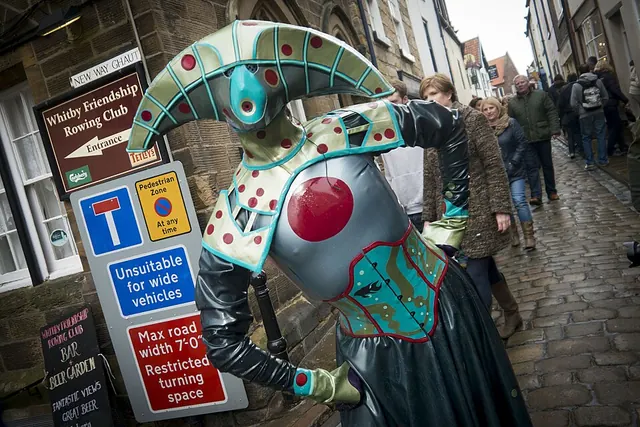 Whitby Goth WeekendFestivalA goth music festival, founded in 1994Open the Whitby Goth Weekend site
 Dracula DailyNewsletterThe novel, emailed to you in real timeOpen Dracula Daily
Each opens in a new tab. Independent of Chapter & Scene.
For the commute, the walk or the washing up


Each opens in a new tab. Independent of Chapter & Scene.
Public domain recordings by volunteers
Each opens in a new tab. Independent of Chapter & Scene.
Questions
Who wrote Wuthering Heights, and when?
Emily Bronte wrote it, and it was published in 1847 under the pen name Ellis Bell. Wikipedia gives 24 November 1847 while other sources say December 1847.
Why does the story have two narrators?
Lockwood, a new tenant, opens and frames the story, and his housekeeper Nelly Dean tells him the past. This lets the book show events through two limited viewpoints, and critics question how far either can be trusted.
What happens in Wuthering Heights?
Heathcliff, an orphan, grows up with Catherine Earnshaw, who marries Edgar Linton. Heathcliff leaves, returns rich and takes revenge on both families, including their children.
How does Wuthering Heights end?
Heathcliff stops eating and dies, and is buried beside Catherine. Cathy and Hareton plan to marry, and locals say they have seen the ghosts of the two lovers on the moors.
Is Wuthering Heights a love story?
Readers disagree. A 2007 British poll named it the greatest love story of all time, while other critics read it as a study of cruelty and abuse.
How did Victorian readers react to Wuthering Heights?
Reviews in 1847 and 1848 were mixed. Several found it coarse, wild or unpleasant, while others admired its power, and it only became a firm classic later.