Bookends: how to choose them and where to use them
Choose bookends heavy enough to hold your books upright, with a base long enough to slide under the first books. Metal and stone suit heavy hardbacks, wood suits paperbacks, and a pair that matches your shelf looks tidiest.
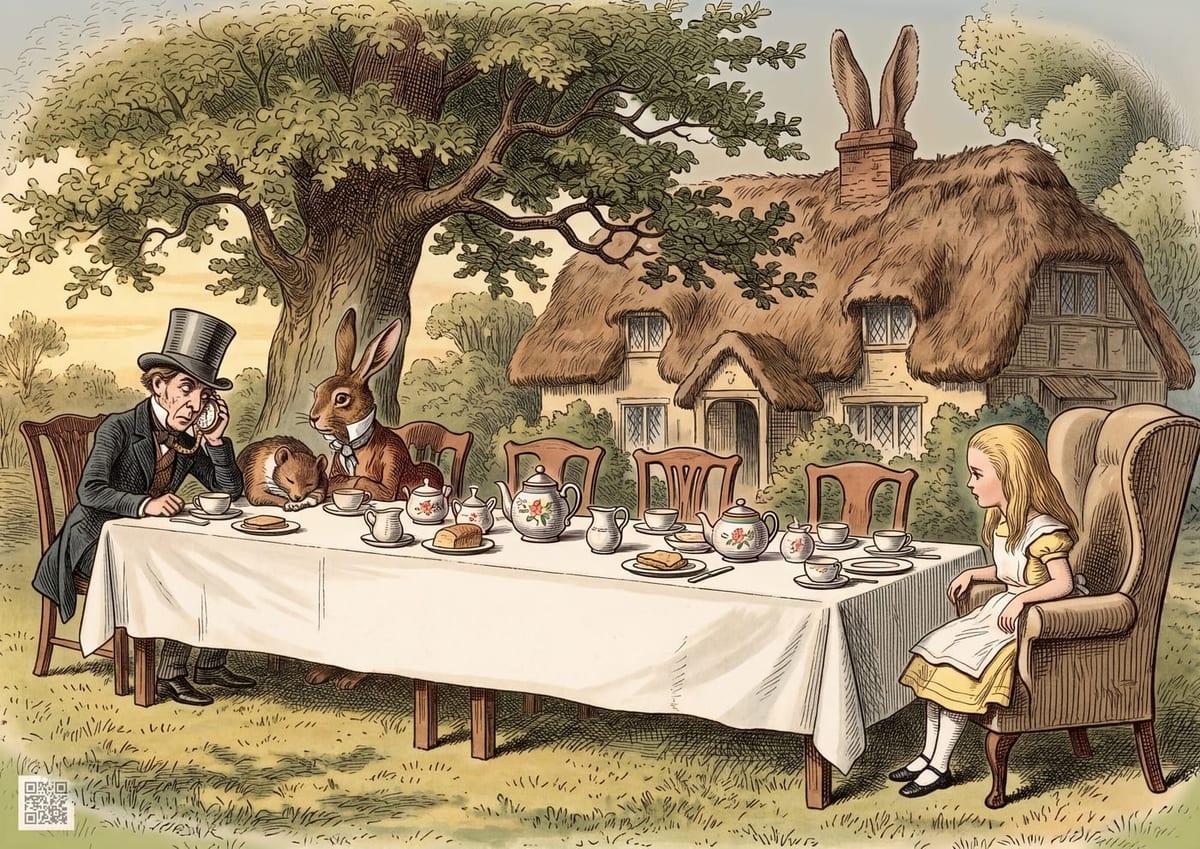
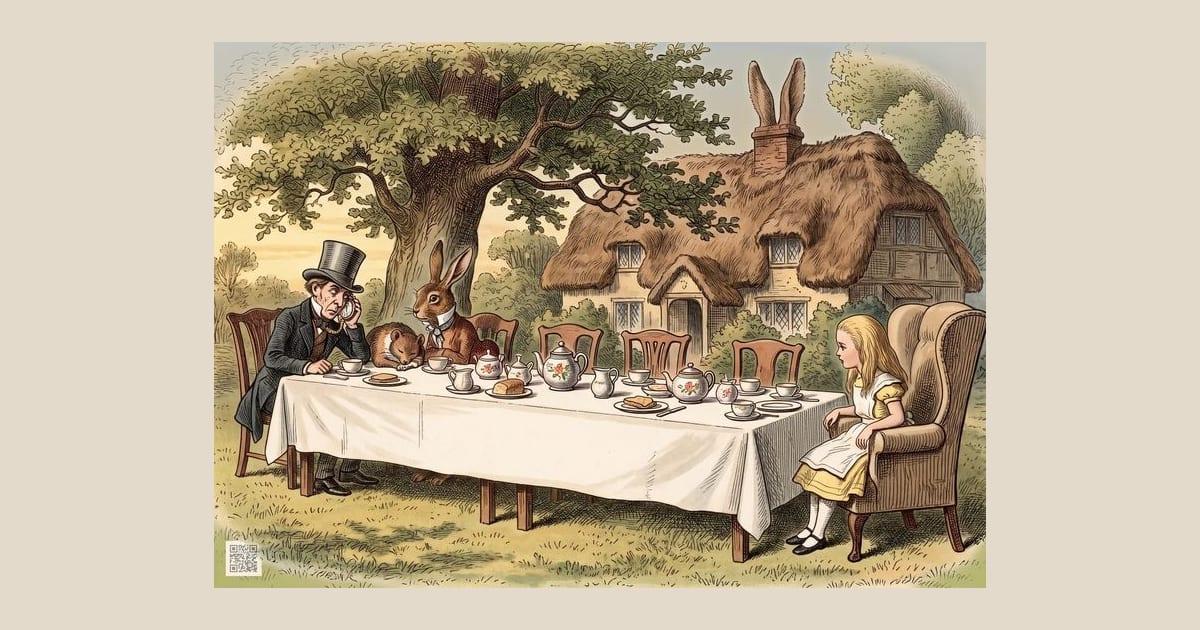
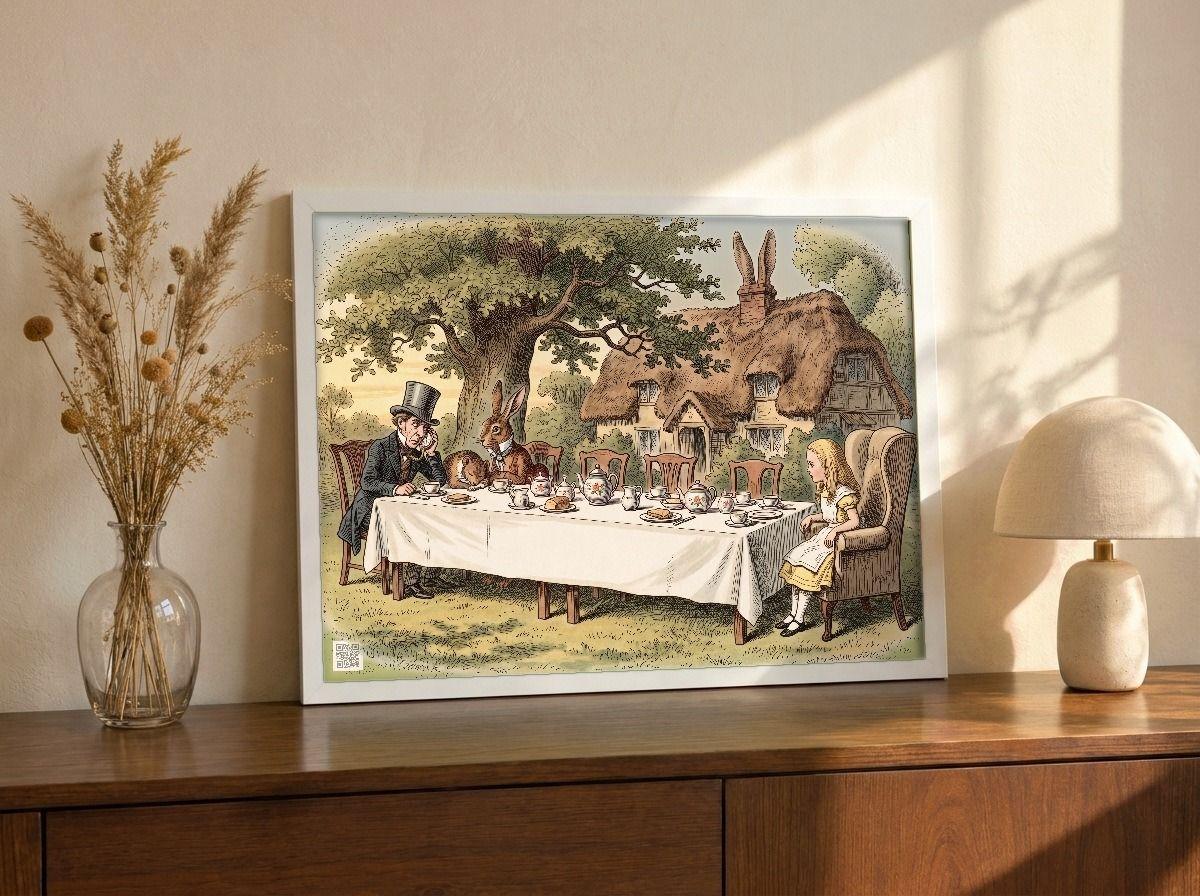
The print from this post.
Looking for a gift? Christmas gifts for him, her, dad and mum.
Some links on this page are affiliate links.
A shelf that is not quite full is a shelf where books lean, slump and slide into each other. Bookends fix that, and the right pair does it without anyone noticing. The wrong pair tips over the first time you pull out a book. Choosing well comes down to weight, base and material.
Weight and base
There are two kinds of bookend, and they hold books in different ways. A weighted bookend is simply heavy: a block of stone, cast iron or solid brass that the books lean against. An L-shaped bookend has a thin metal plate that slides under the first few books, so their own weight holds it in place.
For a long run of heavy hardbacks, choose weight: the books push sideways with real force, and a light bookend will walk across the shelf. For a short row of paperbacks, an L-shaped plate is plenty and takes up almost no room. The longer the base that slides under the books, the more firmly it holds.
Buy this print
How do you stop books falling over on a shelf?
Close the gap. Books fall when a run is shorter than the shelf, so either hold the end with a bookend, lay a few books flat as a stack that acts as one, or stand something heavy at the end, such as a plant pot or a framed print with a short row of books in front of it. Shelves that are packed too tightly cause the opposite problem, so leave a finger of space.
Material guide
- Metal: cast iron, steel or brass. Heavy for its size, so it suits big hardbacks, and slim enough to hide at the end of a row.
- Wood: warm and light. Best for paperbacks and smaller runs, and good next to wooden shelves.
- Stone and marble: the heaviest of all, and decorative enough to stand on a shelf alone. Choose them for coffee-table books and heavy sets.
Bookends with no drilling
Most bookends need no fixing at all, which makes them ideal for rented homes. If a shelf is glass or very smooth and the bookend slides, a thin rubber or felt pad underneath adds grip and protects the finish. Felt bases also stop metal or stone from scratching a painted or wooden shelf.
Ideas
- Book-shaped bookends: carved or cast to look like a few books on their side, so the row seems to carry on.
- Brass: an old-fashioned look that suits dark wood and green or navy walls.
- Wood: simple blocks or arches, lovely with a run of old clothbound books.
- A stack of old hardbacks: lay four or five heavy books flat at the end of a row. They hold the others up for nothing, and give you a place to set a small object.
Where to use them
Bookends are not only for shelves. A pair on a desk keeps the books you are using within reach. On a sideboard or window sill they turn half a dozen favourites into a small display. On a deep shelf, place a pair a little forward and lean a small framed print behind the books for a layered look.
If your books still lean, the run is probably too short for the shelf. Rather than buying heavier bookends, close the gap: move the bookend in, add a horizontal stack at the end, or fill the space with a small object. A row that fills about two thirds of the shelf stands up best.
An A4 print standing behind a short row of books, held up by a good pair of bookends, is one of the simplest ways to make a shelf look styled.
More guides
Next, read ten bookshelf styling ideas, or home library ideas for small spaces. Not sure which size fits your wall? Try our print size picker.
Related reading: book lover gifts and how to choose literary art prints.
Keep reading
Questions
- How heavy should bookends be?
- Heavy enough that a full row of hardbacks cannot push them over.
- Do bookends scratch shelves?
- Choose ones with a felt base.
- What are bookends used for?
- To hold a row of books upright when the shelf is not full, so they do not lean or slide over. A pair also gives a short run of books a clear start and end, on a shelf, a desk or a window sill.
- What are the things that hold books up called?
- Bookends. Some are simply heavy blocks of metal, wood or stone; others are L-shaped plates that slide under the first few books.


